
US Denies Pause in Vital Intelligence Sharing with Ukraine Amid Escalation
US Secretary of State Marco Rubio has denied reports of a pause in intelligence sharing with Kyiv, reaffirming support as Ukraine relies on American systems to intercept Russian ballistic missiles.
Geopolitical & Core Developments
United States Secretary of State Marco Rubio has publicly dismissed reports suggesting that Washington instituted a moratorium on intelligence sharing with Kyiv. Speaking amid heightened scrutiny over the incoming administration's foreign policy trajectory, Rubio maintained that operational security collaboration remains uninterrupted. The clarification follows intense diplomatic concern across European capitals regarding the reliability of Western defense commitments.
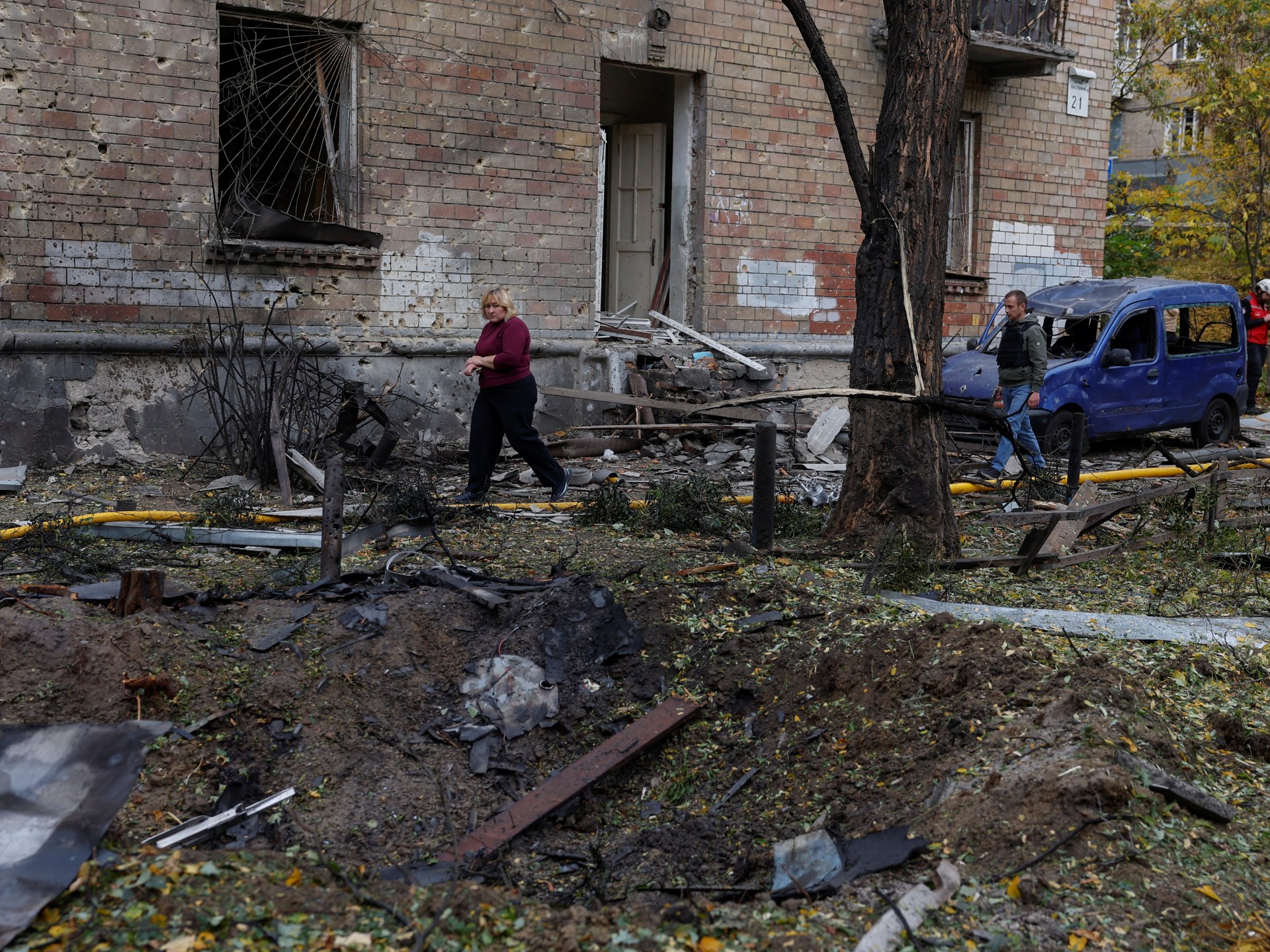
Ukraine remains exceptionally dependent on real-time American technical reconnaissance, notably the specialized Starshield constellation developed by SpaceX under defense contracts. Starshield and affiliated orbital assets provide early launch detection and trajectory tracking for high-velocity Russian ballistic and hypersonic missiles targeting Ukrainian infrastructure and urban centers. Without sustained access to this real-time telemetry, Ukrainian air defense units, including US-supplied Patriot batteries, face degraded reaction windows against complex saturation strikes executed by Russian forces.
Global Trade & Economic Ripples
While primarily a national security matter, the stability of Ukrainian air defense operations directly influences international commercial flows, particularly in the agricultural and energy sectors. Ukrainian Black Sea ports, which remain vital conduits for global grain, sunflower oil, and fertilizer, depend heavily on local air defense umbrellas to maintain maritime operational security. Any perceived gap in early warning coverage raises maritime insurance premiums, dampens bulk freight movements, and exacerbates food supply vulnerabilities across the Middle East and North Africa.
Furthermore, renewed volatility in the conflict theater introduces immediate friction into European natural gas benchmarks. Although transit agreements remain precarious, physical pipeline infrastructure traversing Ukraine continues to influence Central European energy pricing. Sustained missile impacts on Ukrainian auxiliary power stations also increase power imports from neighboring European Union grids, tightening domestic electricity margins in Eastern Europe and lifting regional industrial production costs.
Related Intelligence: Athens Property Influx Strains Local Economy Amid Middle East Tensions
International Reactions & Diplomatic Stances
Rubio's statements were met with cautious relief in Kyiv, where defense officials have repeatedly stressed that early-warning telemetry is as vital as physical munitions. Ukrainian officials have avoided public criticism of Washington, emphasizing instead the indispensable nature of bilateral intelligence compacts for civilian protection.
Across European capitals, the development has revitalized debate over sovereign defense capabilities. North Atlantic Treaty Organization (NATO) leaders gathered in Brussels reiterated that European allies must accelerate the procurement of independent orbital surveillance networks to mitigate over-reliance on US space architecture. Meanwhile, officials in Moscow characterized ongoing Western intelligence dissemination as direct participation in the conflict, warning that foreign orbital and electronic assets assisting Ukrainian strike calculations represent legitimate military targets.
Strategic Outlook & Future Scenarios
In the near term, intelligence cooperation will serve as a bellwether for the broader US strategic posture toward the Russia-Ukraine war. Should Washington face domestic legislative constraints or pivot resources toward other theaters, European partners will face immediate pressure to fill technical surveillance deficits, an endeavor complicated by significant budgetary and technological lead times.
Market participants and defense analysts anticipate that Russian forces will continue probing Ukrainian air defenses through mixed-vector strikes designed to test early-warning continuity. The commercial sector will closely track the durability of Ukrainian port operations and energy grids as critical indicators of supply chain resilience. The coming weeks will likely see increased negotiations within the G7 and NATO frameworks to formalize multi-year intelligence sharing and commercial satellite defense funding, establishing clearer operational boundaries amid fluid geopolitical negotiations.
Join Our Official WhatsApp Channel
Receive live commodity alerts, policy changes, and commercial intelligence directly on WhatsApp.