
Ishaq Dar Leads Pakistan Delegation at High-Level SCO Summit in Tajikistan
Deputy Prime Minister Mohammad Ishaq Dar has arrived in Dushanbe for the SCO Council of Heads of Government moot, aiming to advance regional trade, transit corridors, and economic cooperation.
The Core Development
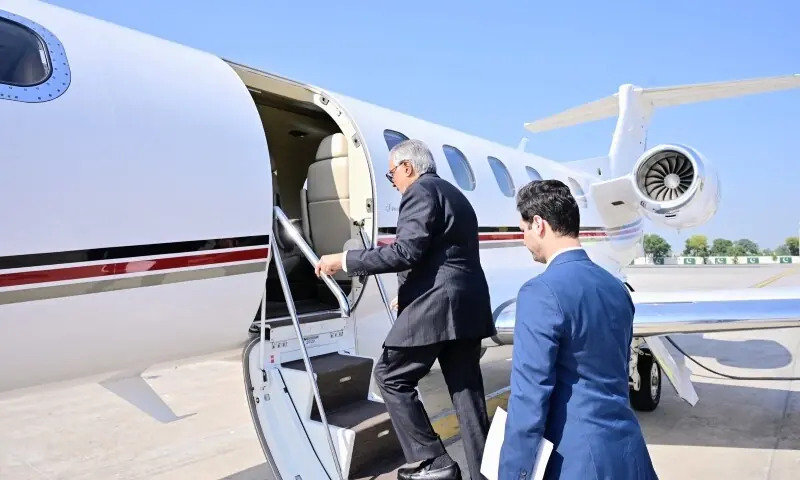
Deputy Prime Minister and Foreign Minister Senator Mohammad Ishaq Dar has departed for Dushanbe, Tajikistan, heading high-level Pakistani representation at the Shanghai Cooperation Organisation (SCO) Council of Heads of Government (CHG) meeting. According to the Ministry of Foreign Affairs, the official diplomatic mission follows a formal invitation extended by Tajik Prime Minister Qohir Rasulzoda.
The CHG summit serves as the premier economic, commercial, and financial decision-making organ of the multilateral bloc. Dar's schedule encompasses multilateral plenary sessions alongside structured bilateral engagements with counterparts from Central Asian republics, China, and regional partners. Deliberations center on adopting the regional trade and connectivity agenda, stabilizing trans-regional transit agreements, and institutionalizing operational budgets across the organisation's socio-economic working groups. The diplomatic contingent comprises senior civil servants from the ministries of commerce, communications, and foreign affairs, underscoring Islamabad's strategic focus on consolidating commercial integration across the Eurasian landmass.
Commercial & Economic Implications
For Pakistan's commercial landscape, the Dushanbe summit carries direct ramifications for overland logistics, wholesale bulk commodity sourcing, and transit freight revenue. Central Asian republics possess vast hydrocarbon reserves, mineral wealth, and agricultural output that remain logistically constrained by limited deep-sea access. Realization of streamlined customs documentation and tariff harmonizations discussed under the SCO framework could lower landed procurement costs for domestic industrial feedstocks.
Pakistan's domestic distribution networks stand to gain if transit corridors between Tajikistan, Uzbekistan, and Pakistani seaports gain structural operationality. The operational integration of the Quadrilateral Traffic in Transit Agreement (QTTA) alongside expanded bilateral transport treaties can bypass prolonged maritime sea lanes, reducing container transit durations to Central Asia from weeks to mere days. Furthermore, commercial discussions surrounding regional currency settlement mechanisms under SCO auspices offer a vital blueprint for alleviating recurring balance-of-payments pressures and foreign currency deficits within Pakistan's wholesale mercantile sectors.
Related Intelligence: Iranian Financial Pipeline to Hezbollah Intensifies Diplomatic Pressures on Lebanon
Stakeholder Perspectives & Market Reactions
Domestic logistics aggregators, trade syndicates, and financial market participants have closely monitored Pakistan's engagement within the SCO council. The Federation of Pakistan Chambers of Commerce and Industry (FPCCI) and regional logistics operators have persistently urged the government to eliminate non-tariff hurdles, non-standardized transit road tolls, and restrictive visa regimes that stifle land-route cargo traffic through northern corridors.
Financial analysts view the high-level representation as vital for sustaining regional infrastructure financing, particularly as Pakistan seeks multilateral backing for critical energy links including CASA-1000 and trans-Afghan rail infrastructure. Trade bodies argue that without aggressive state-level bilateral transit deals, Pakistani manufacturers will forfeit Central Asian retail consumer markets to regional competitors like Turkey and Iran, both of which maintain proactive logistics agreements with Dushanbe and Tashkent.
Forward Outlook & Key Watchpoints
The immediate aftermath of the summit will be measured by the specific joint protocols ratified by member states, specifically those establishing standardized customs declarations and digital cross-border cargo tracking. Market observers will evaluate whether Dar's bilateral meetings with Tajik and Chinese delegations produce tangible roadmaps for financing cross-border connectivity networks and lowering protective transit duties.
Crucial milestones over the forthcoming quarters include the finalization of standardized road haulage permits, regulatory acceptance of electronic certificates of origin, and formal banking channels to handle cross-border payments without reliance on Western clearing hubs. If Islamabad successfully secures priority transport routing, Pakistan's wholesale sectors and distribution hubs could witness an influx of commercial transit traffic, establishing sustainable non-tax revenue channels for the cash-strapped national exchequer.
Join Our Official WhatsApp Channel
Receive live commodity alerts, policy changes, and commercial intelligence directly on WhatsApp.