
Pakistan and Oman Convene Joint Ministerial Commission to Bolster Strategic Ties
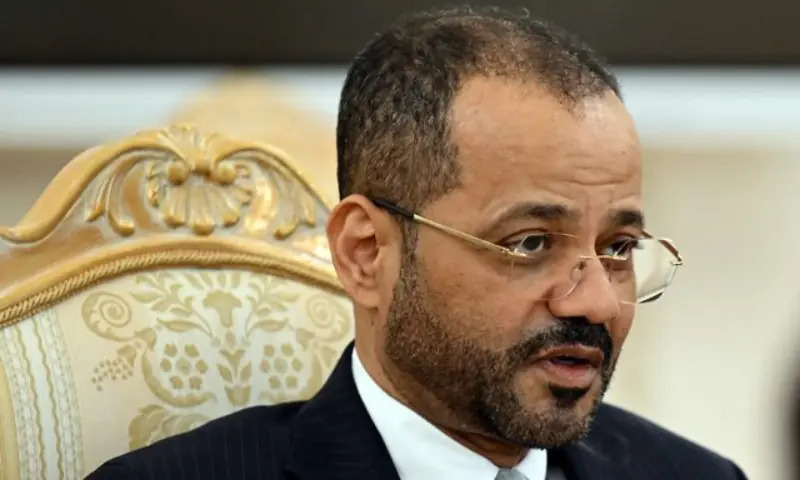
Omani Foreign Minister Sayyid Badr Albusaidi arrives in Islamabad to co-chair the Pakistan-Oman Joint Ministerial Commission, focusing on trade, maritime transport, and investment partnerships.
The Core Development
Omani Foreign Minister Sayyid Badr Albusaidi will undertake an official two-day diplomatic visit to Islamabad from October 13 to 14, 2024. The visit takes place at the formal invitation of Pakistan's Deputy Prime Minister and Foreign Minister Ishaq Dar, according to an official statement issued by the Ministry of Foreign Affairs (FO) in Islamabad.
The principal agenda of the high-level engagement centers on the convening of the Eighth Session of the Pakistan-Oman Joint Ministerial Commission (JMC). Co-chaired by Albusaidi and Dar, the JMC serves as the apex bilateral platform designed to institutionalize state-to-state collaboration across commerce, energy, agricultural exchange, and diplomatic coordination. Bilateral deliberations are slated to review existing bilateral memoranda of understanding, identify regulatory bottlenecks, and pave the way for sovereign and private-sector investment commitments across various sectors.
Commercial & Economic Implications
For Pakistan's commercial landscape, the high-level talks present immediate opportunities to expand trade conduits with the Gulf Cooperation Council (GCC). Oman serves as a vital maritime gateway near the Strait of Hormuz, providing strategic connectivity to broader Middle Eastern and African import hubs. A revitalization of the JMC framework directly influences bilateral freight tariffs, trade finance terms, and customs harmonization.
From the perspective of domestic retail and wholesale supply chains, enhanced trade protocols could facilitate elevated export quotas for Pakistani agro-commodities, including rice, meat, and fresh fruits, which already maintain high demand in the Sultanate. Conversely, Pakistani wholesale distribution networks anticipate potential agreements surrounding petrochemical inputs, specialized industrial minerals, and sulfur compounds imported from Oman. Securing reliable maritime logistics corridors between the ports of Gwadar, Karachi, and Salalah is expected to lower sea freight premiums, indirectly alleviating intermediate cost pressures for Pakistani domestic manufacturers and commodity distributors.
Related Intelligence: Peshawar Reopens Schools Amid High Security and Section 144 Curbs
Stakeholder Perspectives & Market Reactions
Pakistani business associations and export councils have responded favorably to the formal resumption of the ministerial-level dialogue. The Federation of Pakistan Chambers of Commerce and Industry (FPCCI) and regional trade bodies have frequently highlighted that bilateral trade figures remain beneath potential, currently hovering below the billion-dollar mark despite deep geographic and cultural proximity. Export associations emphasize that institutional support via the JMC is essential to eliminate non-tariff barriers and streamline banking clearance channels.
Financial sector analysts point to the Pak-Oman Investment Company as an existing joint vehicle that could see its capital portfolio expanded to finance mid-market logistics infrastructure and export-oriented processing facilities. Legal and trade specialists note that standardizing transit procedures will encourage Omani institutional investors to explore initiatives under the Special Investment Facilitation Council (SIFC), particularly in food security and offshore energy development.
Forward Outlook & Key Watchpoints
The two-day ministerial meetings are expected to conclude with the signing of bilateral protocols encompassing customs cooperation, labor mobility framework improvements, and joint ventures in coastal shipping. Over the subsequent two quarters, trade analysts will monitor whether the institutional mechanisms agreed upon translate into measurable reductions in import clearance timelines at Pakistani ports.
Key watchpoints following the conclusion of the summit on October 14 include the announcement of designated maritime shipping routes between Gwadar and Sohar, as well as concrete bilateral financing mechanisms aimed at bypassing currency volatility. If executed with bureaucratic continuity, the outcomes of the Eighth JMC could establish a resilient trade bridge, buffering Pakistan's external account while opening high-value distribution networks for local agricultural exporters.
Join Our Official WhatsApp Channel
Receive live commodity alerts, policy changes, and commercial intelligence directly on WhatsApp.