
Moscow Maintains Silence Over Proposed Energy Infrastructure Ceasefire Deal
The Kremlin remains non-committal regarding proposals to halt strikes against energy infrastructure, even as Kyiv signals openness to mediation framework parameters championed by Donald Trump.
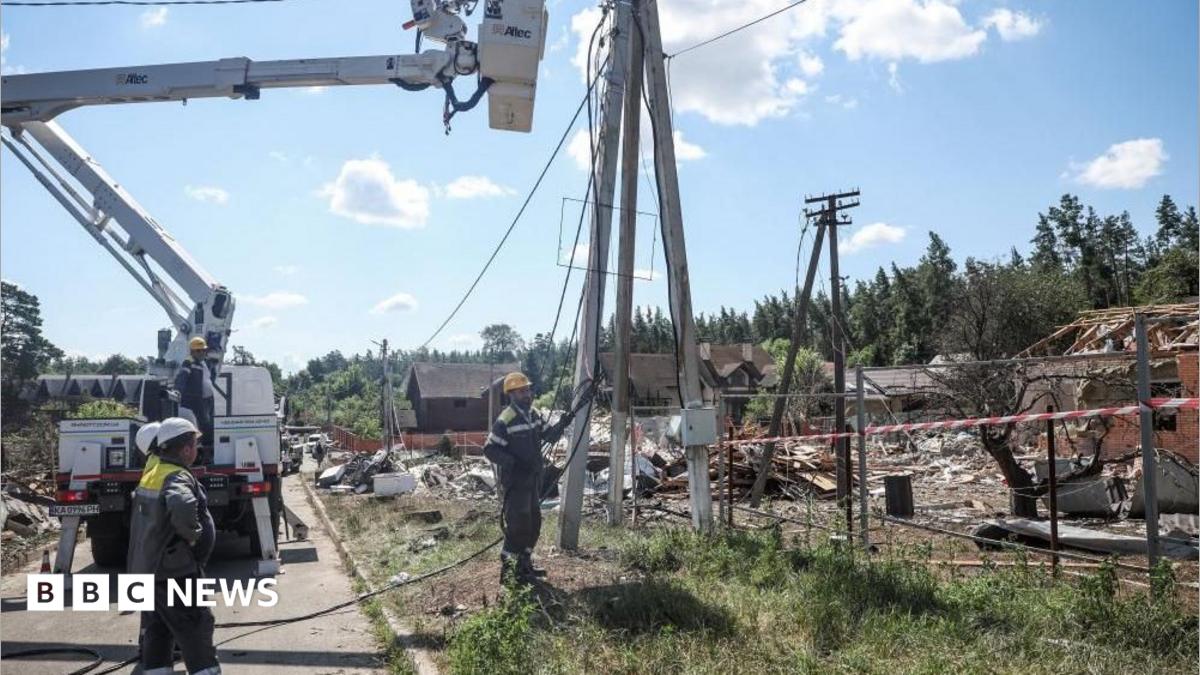
Geopolitical & Core Developments
A strategic divergence has emerged across Eastern European diplomatic corridors following Ukrainian President Volodymyr Zelensky's conditional willingness to suspend targeted attacks on Russian energy infrastructure, provided Moscow reciprocates. The proposal, amplified by diplomatic signals linked to US President Donald Trump's broader push for conflict de-escalation, has encountered calculated silence from the Kremlin. Russian officials have refrained from formal commitments, maintaining operational ambiguity as the winter heating season approaches its peak.
Over the past two years, systematic Russian missile and drone bombardments have dismantled substantial portions of Ukraine's domestic power generation capacity, heavily degrading thermal and hydroelectric stations. In response, Ukrainian long-range unmanned aerial strikes have targeted major Russian refineries, crude depots, and pipeline pumping junctions deep inside Russian territory, knocking out significant refining throughput. While Kyiv views a bilateral moratorium on energy infrastructure strikes as a de-escalatory measure that protects civilians, Moscow views its energy attrition campaign as essential tactical leverage designed to pressure Ukrainian governance and strain European emergency aid budgets.
Global Trade & Economic Ripples
The lack of a formal agreement leaves international energy and commodity markets exposed to ongoing volatility. Ukrainian strikes against Russian processing facilities have repeatedly removed hundreds of thousands of barrels per day from global fuel balances, tightening middle-distillate margins and driving up diesel premiums in the Mediterranean and Northwest Europe. Concurrently, maritime insurers operating across the Black Sea basin continue to apply elevated war-risk surcharges on oil and grain shipments departing southern terminals.
For European utility providers, the persistence of energy combat keeps wholesale power and natural gas contracts subject to sudden geopolitical risk premia. Even reduced transit volumes of Russian gas through residual pipeline routes across Ukraine face heightened operational hazards. Commercial traders are pricing in potential supply disruptions, forcing import-dependent regional economies to maintain costly strategic fuel stockpiles. Any formal or informal moratorium would immediately alleviate pressure on regional diesel crack spreads and lower maritime insurance fees across eastern trade routes, but the absence of Russian confirmation keeps commodity benchmarks defensive.
Related Intelligence: Government Slashes Petrol Price While Raising High-Speed Diesel Rates
International Reactions & Diplomatic Stances
Western diplomatic responses highlight cautious skepticism regarding Moscow's willingness to abandon an established military lever. European Union foreign policy officials have emphasized that any truce targeting only specific infrastructure sectors must be subject to rigorous, independent verification rather than rhetorical gestures. Officials in Washington have pointed to shifting diplomatic postures, suggesting that broader peace framework discussions necessitate verifiable halts in asymmetric attrition warfare.
In Moscow, Kremlin spokesperson Dmitry Peskov and defense ministry officials have sidestepped explicit inquiries regarding an energy ceasefire. Russian military analysts argue that an unmonitored cessation of strikes would disproportionately benefit Kyiv by allowing it to stabilize municipal power grids ahead of colder weather without conceding ground along contested frontline sectors in the Donbas. United Nations humanitarian agencies have repeatedly warned that continued targeting of generation infrastructure endangers vulnerable civilian populations, urging all parties to exempt critical utilities from military targeting under international humanitarian conventions.
Strategic Outlook & Future Scenarios
Looking ahead, the diplomatic viability of an energy ceasefire depends heavily on upcoming bilateral contacts between Washington and Moscow, as well as indirect mediation rounds in the Middle East. If the Kremlin determines that preserving its tactical leverage over Ukraine's electrical grid outweighs the political benefits of engaging with US peace initiatives, targeted attacks will likely continue uninterrupted. This scenario would keep Ukrainian refining targets on high alert, potentially inviting retaliatory drone barrages against export terminals near Novorossiysk.
Conversely, a limited, unannounced pause remains possible if back-channel discussions secure secondary economic or sanctions adjustments. However, without formal multinational monitoring mechanisms, any temporary lull will remain fragile and vulnerable to breakdown from localized tactical incursions. Global commodity markets will continue monitoring refining outputs and Black Sea logistics, treating energy security in Eastern Europe as an unresolved variable throughout upcoming diplomatic summits.
Join Our Official WhatsApp Channel
Receive live commodity alerts, policy changes, and commercial intelligence directly on WhatsApp.