
Elon Musk Injects $366 Million into US Republican Midterm Campaigns
Billionaire Elon Musk has deployed $366 million to bolster US Republican candidates ahead of midterm elections, signaling major shifts for US regulatory frameworks and international trade policies.
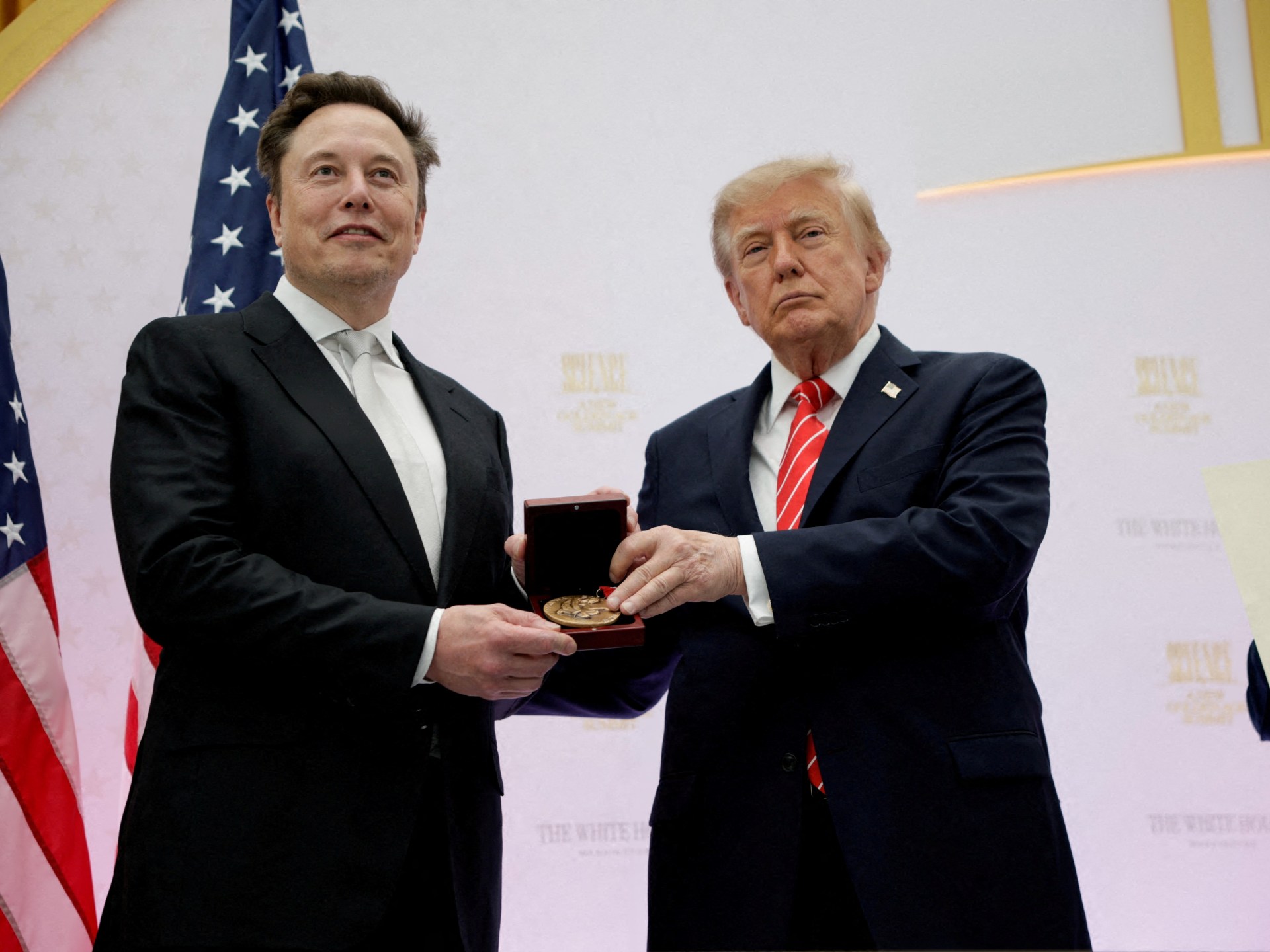
Geopolitical & Core Developments
The landscape of American political financing has registered an unprecedented development as billionaire industrialist Elon Musk directed approximately $366 million to support Republican Party campaigns ahead of the United States midterm elections. This massive capital deployment unfolds during a critical legislative juncture, marked by voter anxiety surrounding inflation, persistent cost-of-living strains, and shifting public approval metrics associated with former President Donald Trump. Musk's aggressive financial intervention represents one of the largest individual contributions in modern electoral history, highlighting the tightening nexus between sovereign governance, technology oligarchs, and macroeconomic stewardship.
The strategic stakes extend well beyond domestic electoral arithmetic. Control of the US Congress directly governs international trade agreements, defense authorizations, foreign assistance programs, and statutory frameworks regulating foreign direct investment. By funding key political action committees and targeted congressional races, Musk has positioned strategic commercial interests—spanning electric mobility, commercial aerospace, satellite telecommunications, and artificial intelligence—at the center of Washington's legislative agenda. The campaign push comes at a time when sovereign actors across Europe and the Indo-Pacific are closely monitoring whether a conservative legislative majority will dismantle current executive policies or initiate protectionist regulatory overhauls.
Global Trade & Economic Ripples
A legislative realignment in Washington carries profound ramifications for global supply chains, international commodity flows, and multilateral trade stability. A Republican-controlled legislature is widely anticipated to challenge the Inflation Reduction Act's targeted subsidies, which currently provide billions in federal support for domestic clean energy and electric vehicle manufacturing. Global automakers in Europe, Japan, and South Korea, which have calibrated their multi-year capital expenditure plans around transatlantic regulatory alignment, face renewed policy uncertainty regarding access to critical mineral exemptions and federal credits.
Furthermore, renewed legislative emphasis on traditional hydrocarbons could shift international energy pricing. A potential rollback of domestic oil and gas extraction curbs within the United States would boost domestic crude exports, exerting downward pressure on Brent benchmarks while challenging OPEC+ production quotas. On the currency front, expectations of corporate tax cuts paired with renewed tariff rhetoric could fortify the US dollar, increasing debt servicing burdens for emerging market sovereigns and raising import costs across global agricultural and raw material markets.
Related Intelligence: Cuba Accelerates Renewable Energy Transition Amid Intensified US Sanctions
International Reactions & Diplomatic Stances
International diplomatic corridors and multilateral policy institutions have observed the spending surge with cautious calculation. European Union policymakers in Brussels have previously voiced concerns regarding the vulnerability of democratic electoral processes to concentrated private capital, while closely evaluating how US political shifts will affect regulatory oversight under the EU Digital Services Act and the Foreign Subsidies Regulation. Trade officials across East Asia have privately signaled concerns that intensified partisan contestation could precipitate unilateral trade tariffs on advanced microelectronics and clean technology inputs.
Market analysts at premier financial institutions have characterized the funding as an overt hedge against federal regulatory scrutiny. Corporate governance observers note that technology and aerospace conglomerates operating under federal contracts face material operational risks tied to regulatory posture. Analysts stress that private-sector political funding at this scale creates distinct policy expectations regarding antitrust enforcement, autonomous vehicle approvals, and space launch concessions, all of which influence global commercial standards.
Strategic Outlook & Future Scenarios
The trajectory of global markets following the midterms will depend heavily on the resulting legislative distribution of power. Should Republicans secure working majorities across Capitol Hill, immediate friction is expected between the legislative branch and the executive administration, creating legislative gridlock on domestic appropriations while heightening aggressive bipartisan postures on foreign trade restrictions, particularly regarding China and strategic technological decoupling.
Looking ahead, sovereign investors and international trade counterparties must navigate an operating environment defined by heightened regulatory volatility. Key stress points over the coming quarters will include statutory debates over corporate taxation, renewable energy incentive retrenchment, and international tariff authorities. As commercial enterprises increasingly assume strategic geopolitical postures, the convergence of private capital and state power will continue to redefine the boundaries of international economic governance.
Join Our Official WhatsApp Channel
Receive live commodity alerts, policy changes, and commercial intelligence directly on WhatsApp.