
UK Prime Minister Andy Burnham Pledges Post-Brexit EU Trade Reset
UK Prime Minister Andy Burnham confirmed bilateral negotiations with Brussels next month, aiming to renegotiate post-Brexit trade mechanisms while maintaining democratic accountability to domestic voters.
Geopolitical & Core Developments
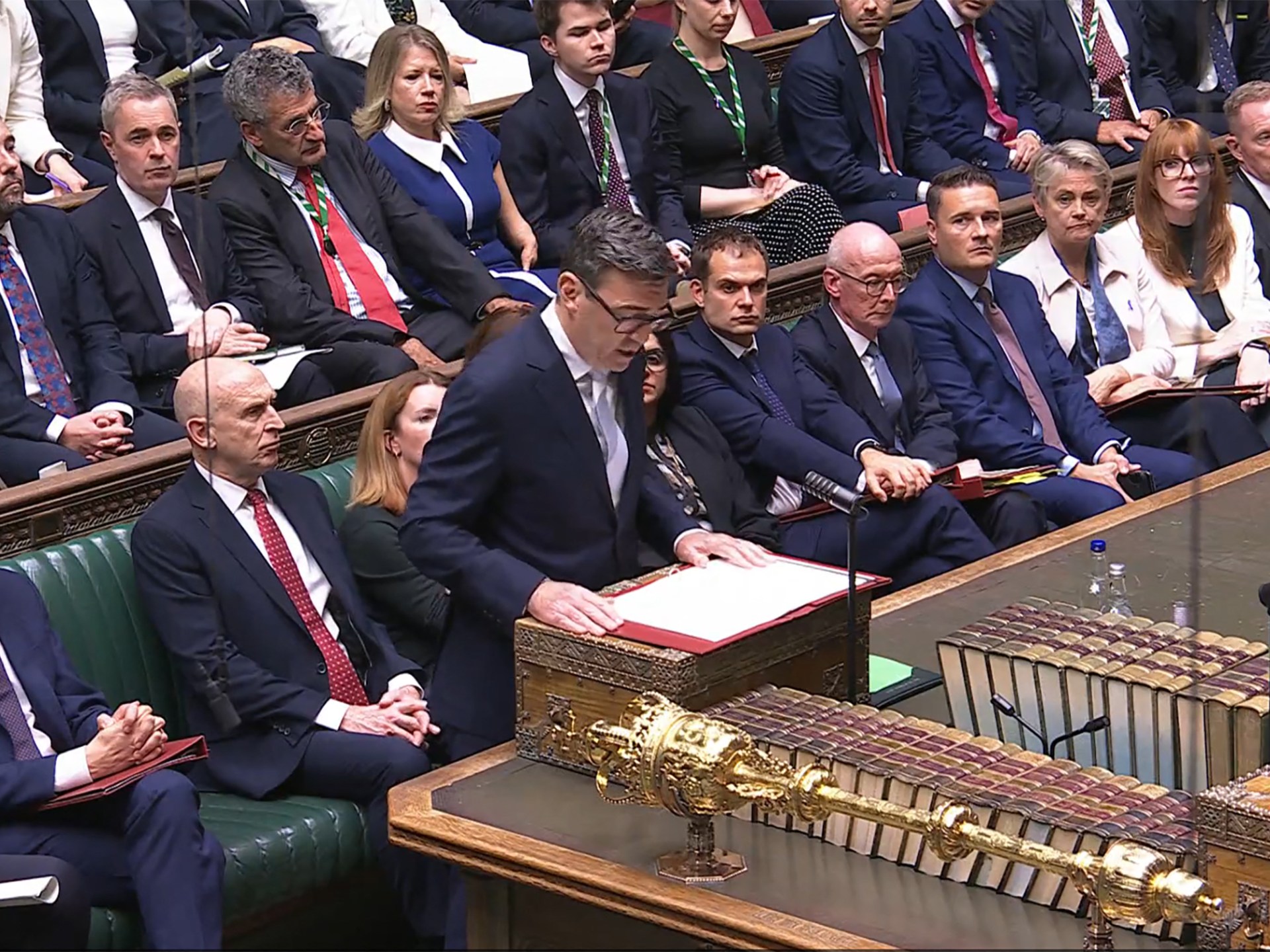
United Kingdom Prime Minister Andy Burnham has formally declared his administration's intention to initiate high-stakes negotiations with the European Union next month, seeking to overhaul the post-Brexit Trade and Cooperation Agreement (TCA). Speaking ahead of bilateral meetings scheduled in Brussels, Burnham stated that British domestic interests would remain central to any diplomatic recalibration, framing the electorate as the ultimate authority over structural economic realignments.
The strategic timeline indicates that preparatory technical working groups have already begun outlining key operational pain points stemming from the 2020 withdrawal settlement. Burnham's diplomatic initiative reflects mounting structural pressures within the British domestic economy, which has suffered sustained friction in cross-Channel commerce since the implementation of full border controls. While Downing Street has ruled out a formal return to the EU single market or customs union, the prospective talks represent the most comprehensive diplomatic bid yet to negotiate veterinary agreements, professional qualification mutual recognition, and streamlined customs facilitation protocols.
Global Trade & Economic Ripples
The announcement generated immediate reaction across international capital markets and trade corridors. British sterling experienced modest upward mobility against both the euro and the US dollar, driven by expectations of reduced regulatory friction between the UK and its largest trading partner. European logistical networks, particularly freight transit through Dover and Calais, stand to benefit materially if automated border solutions and sanitary and phytosanitary (SPS) alignment are formalized.
For international commodity handlers and agricultural supply chains, a revised framework could reduce non-tariff barriers that have historically added compounding compliance costs to food, chemical, and specialized industrial imports. Global manufacturers utilizing integrated, just-in-time European supply chains have viewed current customs administrative burdens as an ongoing drag on operational margins. Reopening institutional channels may also influence energy market integration, particularly bilateral cross-border electricity interconnection and joint coordination under the European Union's emissions trading framework.
Related Intelligence: Border Blast in Northern Israel Elevates Regional Security and Trade Risks
International Reactions & Diplomatic Stances
Official reaction from Brussels has been measured yet open. European Commission representatives reiterated that while the European Union welcomes constructive bilateral engagement, the foundational integrity of the single market remains indivisible. Officials in Paris and Berlin voiced cautious support for improved administrative mechanisms, though sovereign diplomats warned that regulatory cherry-picking would be rebuffed during formal rounds.
Market analysts and commercial federations have largely welcomed the diplomatic overture. The Confederation of British Industry noted that resolving chronic SPS frictions and complex rules-of-origin documentation is vital for export competitiveness. Conversely, political opposition within the UK domestic legislature warned against compromises on sovereign regulatory autonomy, signaling that any concessions on judicial oversight or labor mobility will face severe parliamentary scrutiny.
Strategic Outlook & Future Scenarios
The trajectory of the upcoming Brussels summit will hinge on the degree to which both delegations can separate technical trade facilitation from ideological red lines. Baseline scenarios anticipate initial focus on low-controversy files, including mutual recognition of conformity assessments for manufactured goods and bilateral security pacts, before addressing broader trade integration.
Should negotiations stall over regulatory alignment or labor mobility quotas, supply chain operators anticipate continued reliance on bilateral workaround agreements that provide minimal systemic relief. However, if Burnham secures an expedited veterinary pact and digital customs integration, it could provide a durable blueprint for modern third-country relations with the European bloc, creating a more predictable operating environment for international enterprises engaged in transatlantic and European commerce.
Join Our Official WhatsApp Channel
Receive live commodity alerts, policy changes, and commercial intelligence directly on WhatsApp.