
Pakistan Links Regional Peace and Economic Stability to Afghan Terror Eradication
Pakistan's leadership has declared that long-term economic growth and regional prosperity depend entirely on eliminating cross-border terrorism emanating from Afghanistan.
The Core Development
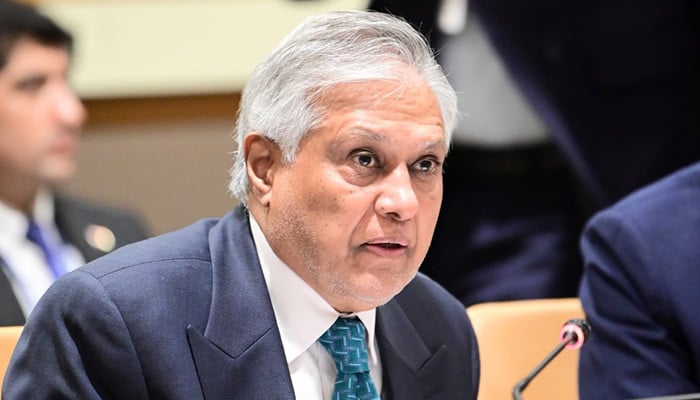
In a decisive policy statement addressing national security and regional diplomacy, Pakistan's Deputy Prime Minister underscored that sustainable peace, economic development, and commercial integration across South and Central Asia remain fundamentally contingent upon the complete elimination of terrorist threats originating from Afghanistan. Speaking on the intersection of national security and macroeconomic stability, the leadership outlined that unchecked militant groups operating from Afghan territory pose an existential barrier to cross-border connectivity and bilateral stability. The ongoing security crisis along the western frontier has disrupted traditional trade corridors, strained state resources, and forced policymakers to reallocate vital funds toward counter-terrorism operations rather than productive public infrastructure. This security paradigm directly impedes broader regional initiatives, including transit trade agreements designed to link Pakistan's deep-water ports with landlocked Central Asian economies. Without definitive, verifiable action by Kabul to dismantle safe havens and restrict the movement of hostile elements, official circles maintain that bilateral cooperation cannot advance to mutually beneficial commercial levels.
Commercial & Economic Implications
For Pakistan's domestic markets, retail networks, and wholesale distribution channels, the persistent cross-border security deficit translates directly into elevated transaction costs and supply chain vulnerabilities. Commercial arteries such as the Torkham and Chaman border crossings frequently experience closures due to security escalations, stranding perishable goods, disrupting industrial raw material imports, and driving up localized inflation. Wholesalers and traders dealing in imported commodities face severe margin compression as transit insurance premiums surge and delivery timelines become unpredictable. In a macroeconomic environment where the State Bank of Pakistan is striving to anchor inflation expectations and stabilize foreign exchange reserves, border instability directly undermines consumer purchasing power. Furthermore, investor confidence—a critical prerequisite for foreign direct investment and industrial expansion—remains subdued as long as commercial hubs near the western border face security threats. Retail prices for essential food items and fuel are acutely sensitive to supply chain disruptions caused by border volatility, amplifying cost-of-living pressures for urban and rural households alike.
Related Intelligence: Global Diplomacy at UN Fails on Conflicts but Advances Tech and Trade Talks
Stakeholder Perspectives & Market Reactions
Business councils, chambers of commerce, and trader associations across Khyber Pakhtunkhwa and Balochistan have repeatedly voiced deep concern over the economic fallout of protracted security instability. Representatives from major industrial bodies emphasize that formal trade between Pakistan and Afghanistan has plummeted far below its potential, inflicting heavy losses on manufacturers and exporters who rely on the western corridor to access Central Asian markets. Legal and trade experts argue that while robust enforcement at border terminals is necessary, it must be paired with structured diplomatic frameworks that compel regional neighbors to honor international counter-terrorism commitments. Meanwhile, public sentiment in major commercial centers reflects mounting frustration over how security expenditures and inflationary shocks constrain private sector growth. Business leaders maintain that sustainable market recovery is unattainable without a secure, predictable operating environment that shields commercial enterprises from geopolitical friction.
Forward Outlook & Key Watchpoints
Looking ahead, Pakistan's national security and economic strategy will closely monitor Kabul's willingness and capacity to enforce border security protocols. Key watchpoints for institutional investors and commercial analysts include the frequency of border closures, bilateral diplomatic engagements regarding extradition and militant containment, and the security provisions implemented along major trade transit routes. If security mechanisms succeed in curtailing cross-border infiltration, Pakistan could witness a gradual normalization of trade deficits, lower logistical costs, and a revival of stalled regional integration projects. Conversely, a continuation of security friction will likely force the state to maintain heightened defensive postures, perpetuating supply chain bottlenecks and delaying critical structural reforms necessary for sustained economic revival.
Join Our Official WhatsApp Channel
Receive live commodity alerts, policy changes, and commercial intelligence directly on WhatsApp.