
India's Election Scrutiny Threatens Global Democratic Standing and Investor Confidence
Intense scrutiny over India's electoral integrity challenges its democratic credentials, triggering strategic reassessments among global investors and international allies.
Geopolitical & Core Developments
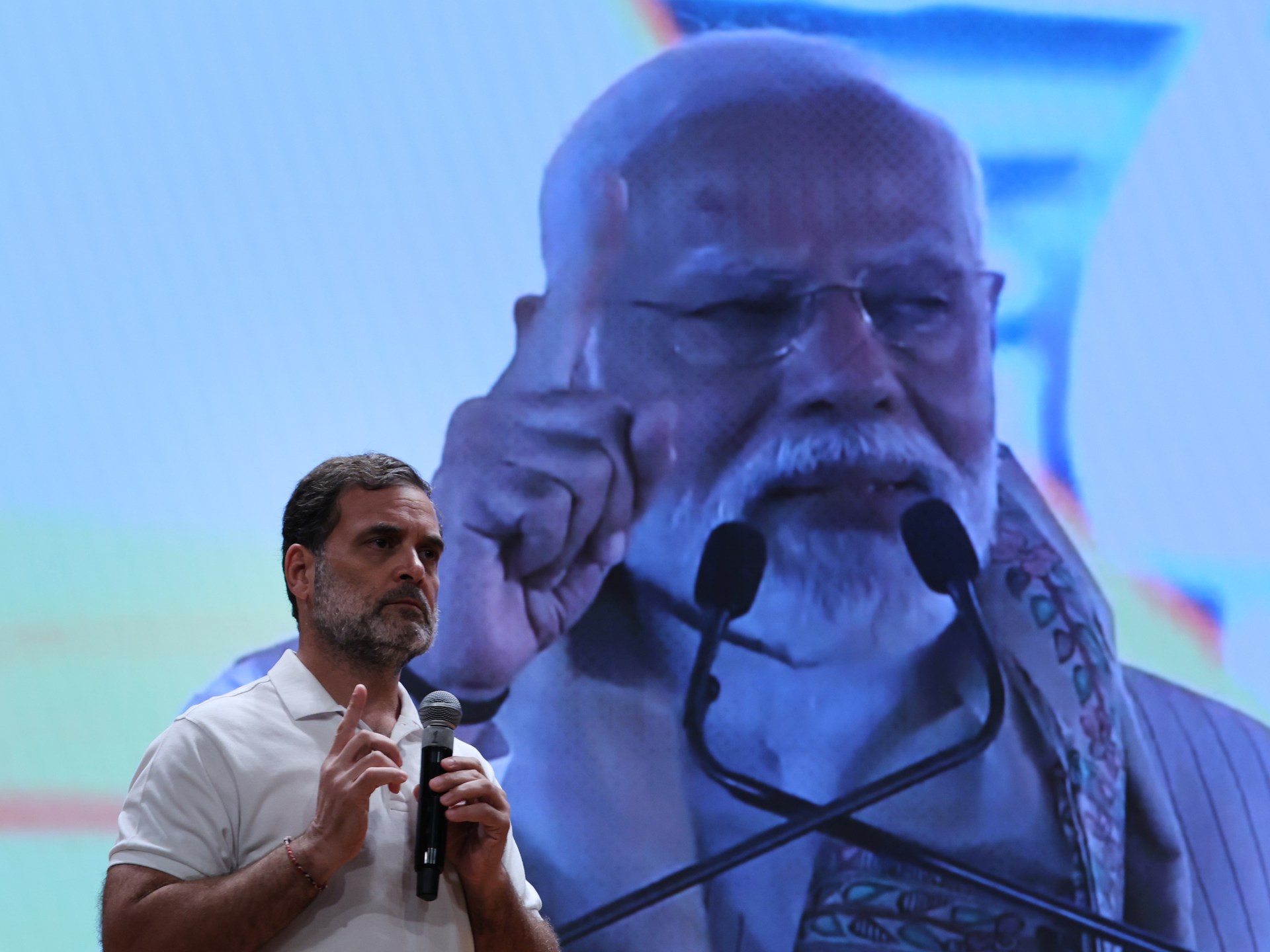
India has long projected itself to the international community as the preeminent bastion of democracy in the Global South, leveraging its massive electoral exercises as empirical proof of robust institutional health. However, recent developments surrounding the administration, transparency, and oversight of the nation's polls have introduced profound skepticism. Critics, opposition factions, and civil society watchdogs have raised alarms over the perceived centralization of electoral oversight, weaponization of investigative agencies against political opponents, and alleged vulnerabilities in electronic voting machinery. These domestic tensions have transcended national borders, transforming what was once viewed as an undisputed celebration of civic participation into a contentious subject of international debate. State actors and multilateral observers are closely monitoring whether the friction between executive power and independent electoral mechanisms will permanently alter the checks and balances foundational to the world's largest republic.
Global Trade & Economic Ripples
For global capital markets, sovereign credit agencies, and multinational corporations, political stability and predictable legal frameworks remain paramount. India has increasingly positioned itself as a primary alternative to China for global supply chains, attracting billions in foreign direct investment (FDI) aimed at manufacturing diversification, semiconductor fabrication, and green energy infrastructure. Yet, any systemic questioning of institutional legitimacy and democratic continuity introduces a distinct risk premium. International institutional investors are beginning to factor political volatility and potential regulatory shifts into their risk models. While macroeconomic fundamentals remain robust, foreign exchange markets and equity portfolios are sensitive to perceptions of governance strain. Commodity traders heavily invested in India's industrial expansion, energy consumption, and infrastructure development are closely watching whether political contestation could delay critical legislative reforms or alter trade policies, particularly regarding green transition targets and tariff structures.
Related Intelligence: US Court Ruling Upends Prediction Markets and State Regulatory Landscape
International Reactions & Diplomatic Stances
Global capitals, particularly in Western democracies, have responded to India's internal political friction with characteristic diplomatic caution. Governments in Washington, London, and Brussels view New Delhi as an indispensable counterweight in the Indo-Pacific region, essential for containing strategic challenges posed by China and maintaining open maritime trade routes. Consequently, official statements from multilateral bodies like the United Nations and Western foreign ministries have remained measured, often emphasizing the resilience of Indian democratic traditions rather than issuing direct rebukes. Nevertheless, human rights organizations and international election monitoring networks have been far more vocal, releasing detailed assessments that question the fairness of the playing field. This divergence between strategic geopolitical imperatives and normative human rights advocacy highlights the acute dilemma facing international partners who must balance realpolitik with democratic values.
Strategic Outlook & Future Scenarios
Looking ahead, the trajectory of India's political governance will heavily influence its bilateral and multilateral engagements, including upcoming international summits and trade negotiations. Key trading partners negotiating bilateral free trade agreements (FTAs) with New Delhi will be watching how domestic political consolidation impacts labor standards, environmental regulations, and market access commitments. If electoral scrutiny deepens polarization, the ruling administration may pivot toward assertive nationalist policies, potentially complicating multilateral consensus-building during international forums. Conversely, a renewed domestic focus on institutional strengthening and transparency could reassure foreign investors and cement India's leadership aspirations in the Global South. Ultimately, the resolution of these internal debates will determine whether India can successfully reconcile its global geopolitical ambitions with the preservation of its core democratic identity.
Join Our Official WhatsApp Channel
Receive live commodity alerts, policy changes, and commercial intelligence directly on WhatsApp.