
UK Labour Conference Faces Pro-Palestine Rallies Over Middle East Policy
Pro-Palestine activists plan major demonstrations led by Andy Burnham at the UK Labour conference, testing the new government's foreign policy integrity.
Geopolitical & Core Developments
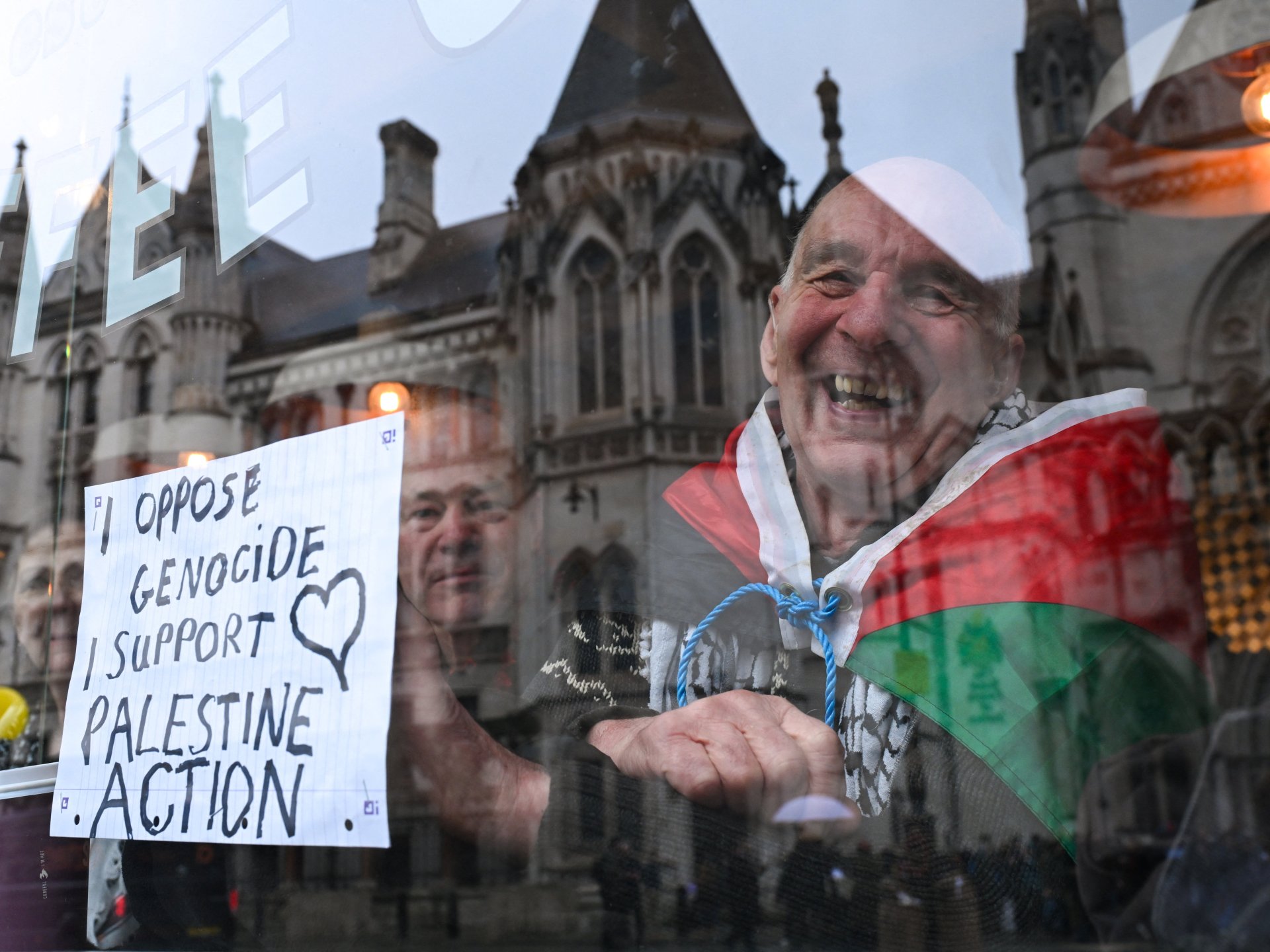
The upcoming demonstrations planned by the Defend Our Juries action group at the annual UK Labour Party conference mark a critical juncture in domestic political engagement with Middle Eastern geopolitics. Scheduled for Sunday, the mobilization is spearheaded by prominent regional figures, including Greater Manchester Mayor Andy Burnham. Organizers have framed the action as a definitive integrity test for the newly established British administration, challenging its diplomatic posture and policy consistency regarding the ongoing conflict in Gaza. The protests highlight growing friction between grassroots political movements and central government policymaking, as activists demand immediate policy shifts concerning diplomatic alignment, international humanitarian law adherence, and accountability measures.
At the core of the friction is the administration's balancing act between traditional international alliances and mounting domestic pressure from electorate segments demanding a more assertive stance on Palestinian rights. The involvement of high-profile political figures like Burnham elevates the stakes, transforming what might otherwise be peripheral demonstrations into central debates within the governing party's inner circles. State actors and diplomatic observers are closely monitoring how the UK leadership manages these internal party fractures, as any perceived weakness or inflexibility could influence broader European diplomatic approaches toward the protracted crisis.
Global Trade & Economic Ripples
While domestic political demonstrations primarily target legislative and moral frameworks, protracted social unrest and shifting foreign policies in major Western economies carry tangible implications for global trade stability and investor confidence. International commercial markets remain highly sensitive to political realignments in key G7 nations, particularly where regulatory shifts could impact defense manufacturing, export licensing, and bilateral trade agreements. Any substantive policy pivot by the United Kingdom regarding Middle Eastern trade partners or defense exports could recalibrate supply chain logistics and risk assessments for multinational corporations operating within the region.
Furthermore, heightened domestic polarization in major consumer markets affects broader economic sentiment and trade diplomacy. Supply chains linked to maritime logistics passing through the Eastern Mediterranean and the Red Sea continue to experience high insurance premiums and rerouting costs driven by regional instability. While UK-based protests do not directly disrupt physical shipping lanes, they reflect the broader socio-political volatility that complicates international trade negotiations, multilateral commodity contracts, and foreign direct investment flows across the wider region.
Related Intelligence: Dar Expresses Alarm Over Middle East Crisis at ECO Summit
International Reactions & Diplomatic Stances
International bodies and foreign governments are observing the domestic pressures facing Western administrations with acute interest. Multilateral institutions, including United Nations agencies, have consistently emphasized the necessity of consistent adherence to international humanitarian law by all state actors. The willingness of domestic political figures in the UK to challenge official government lines underscores a widening divergence between official diplomatic caution and public sentiment across Europe.
Market analysts and geopolitical risk consultancies note that internal political dissent within influential Western economies signals potential vulnerability in long-term foreign policy continuity. Foreign ministries in both allied and rival nations are evaluating whether domestic mobilization will successfully compel the UK government to alter its diplomatic voting patterns in international forums, suspend specific trade accords, or implement stricter controls on dual-use technology exports.
Strategic Outlook & Future Scenarios
As the Labour conference gets underway, the immediate trajectory points toward intensified domestic lobbying and potential confrontations between civil disobedience groups and law enforcement authorities. The response of party leadership will set a critical precedent for how dissent is managed ahead of upcoming legislative sessions and international diplomatic summits.
In the medium term, the pressure exerted by groups like Defend Our Juries could accelerate internal reviews of British arms export licenses and humanitarian aid distribution channels. Should the administration concede to activist demands, it could trigger cascading diplomatic realignment across European capitals facing similar domestic agitations. Conversely, an uncompromising stance by Downing Street risks deepening the alienation of progressive voter blocs, potentially reshaping domestic electoral dynamics and long-term foreign policy execution.
Join Our Official WhatsApp Channel
Receive live commodity alerts, policy changes, and commercial intelligence directly on WhatsApp.