
Gaza Housing Crisis Deepens Amid Protracted Conflict and Regional Instability
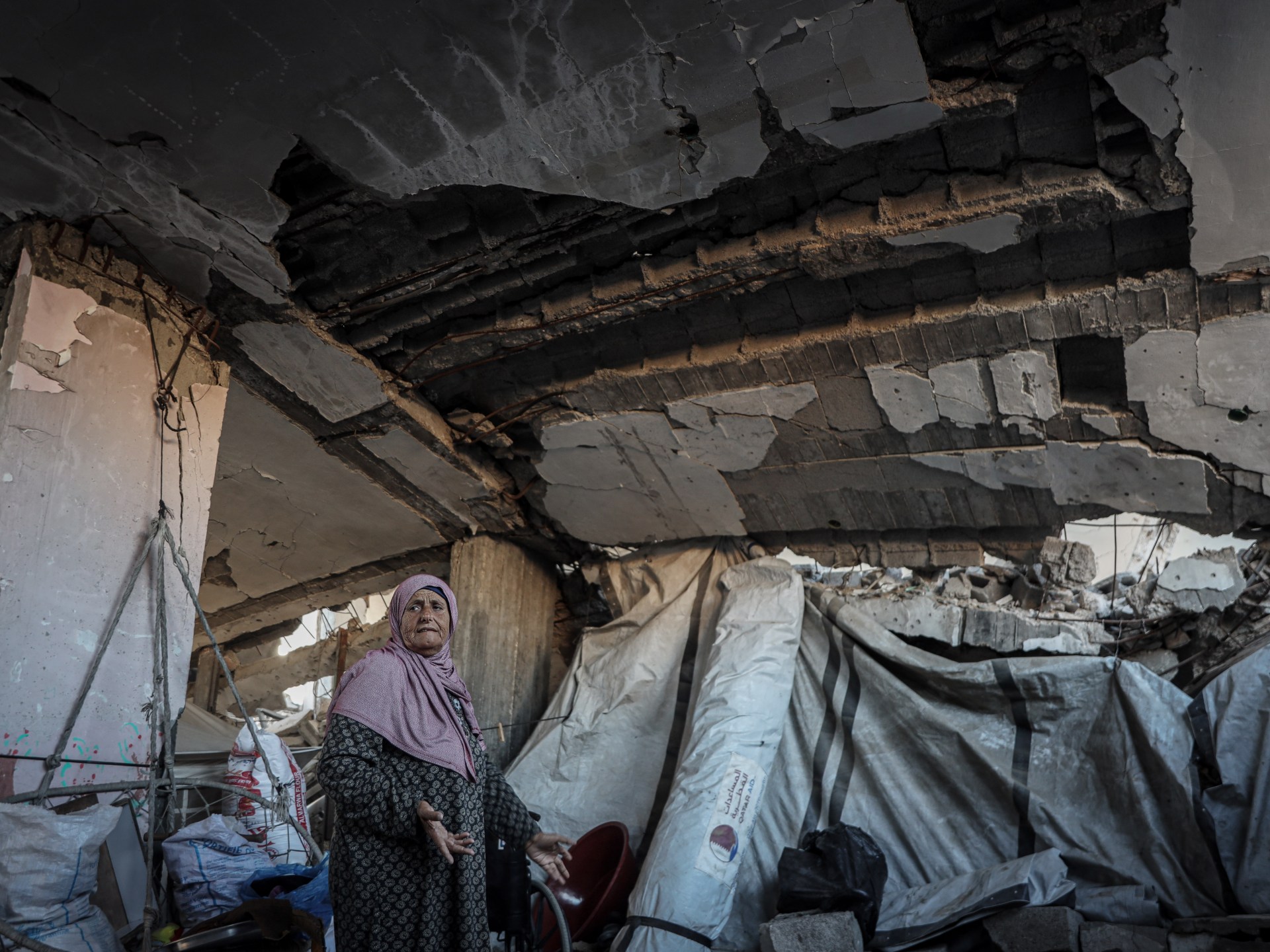
Three years of intense conflict in Gaza have forced families into collapsing structures, severely compounding the humanitarian crisis and heightening regional economic instability.
Geopolitical & Core Developments
Three years into the devastating conflict, the humanitarian landscape in Gaza has reached an unprecedented nadir. Displaced families, having exhausted every possible refuge, are increasingly forced to shelter in heavily damaged and structurally compromised buildings that face imminent collapse. International monitors and humanitarian organizations report that relentless military operations have obliterated critical civilian infrastructure, leaving virtually no safe zones across the enclave. The compounding crises of displacement, structural instability, and overcrowding present a catastrophic challenge for local populations who have nowhere else to go as winter approaches and basic services remain entirely paralyzed.
Global Trade & Economic Ripples
While the human toll remains the primary concern, the protracted nature of the conflict continues to send shockwaves through global trade networks and regional commodity markets. Persistent instability in the Middle East heightens risk premiums across international shipping lanes, particularly affecting maritime traffic traversing vital regional chokepoints. Energy markets remain acutely vulnerable to sudden geopolitical escalations, driving volatility in crude oil pricing and natural gas futures. Furthermore, international supply chains face persistent disruptions as logistics firms continually reassess security risks, elevating transportation costs and compounding inflationary pressures across global markets.
Related Intelligence: Military Plane Crash in DR Congo Kills Fourteen, Shaking Regional Security
International Reactions & Diplomatic Stances
Multilateral bodies and international governments have intensified calls for an immediate cessation of hostilities, warning that the humanitarian catastrophe threatens broader regional security. The United Nations and various humanitarian agencies have repeatedly emphasized that current aid delivery mechanisms are wholly inadequate to address the scale of devastation in Gaza. Diplomatic efforts led by regional intermediaries have faced continuous hurdles, as stark divergences remain between the core demands of the primary actors. Meanwhile, financial analysts and economic institutions are closely monitoring the diplomatic deadlock, cautioning that prolonged instability will permanently alter trade routes and foreign investment flows across the wider Middle East.
Strategic Outlook & Future Scenarios
Looking ahead, the trajectory of the conflict remains dangerously unpredictable, with significant implications for international security and global commerce. Upcoming diplomatic summits and emergency ministerial meetings will likely focus on establishing sustainable humanitarian corridors and enforcing stricter compliance with international humanitarian law. However, without a durable political settlement, the risk of regional spillover remains elevated. Governments and corporate stakeholders must prepare for prolonged geopolitical friction, ongoing supply chain realignments, and sustained volatility in commodity markets as the humanitarian crisis in Gaza continues without resolution.
Join Our Official WhatsApp Channel
Receive live commodity alerts, policy changes, and commercial intelligence directly on WhatsApp.