
Brazil's Lula Bans Online Gambling Ahead of Presidential Election
Brazilian President Luiz Inácio Lula da Silva has enacted an immediate ban on online gambling platforms, framing the decision as a necessary intervention against financial erosion ahead of a fiercely contested presidential election.
Geopolitical & Core Developments
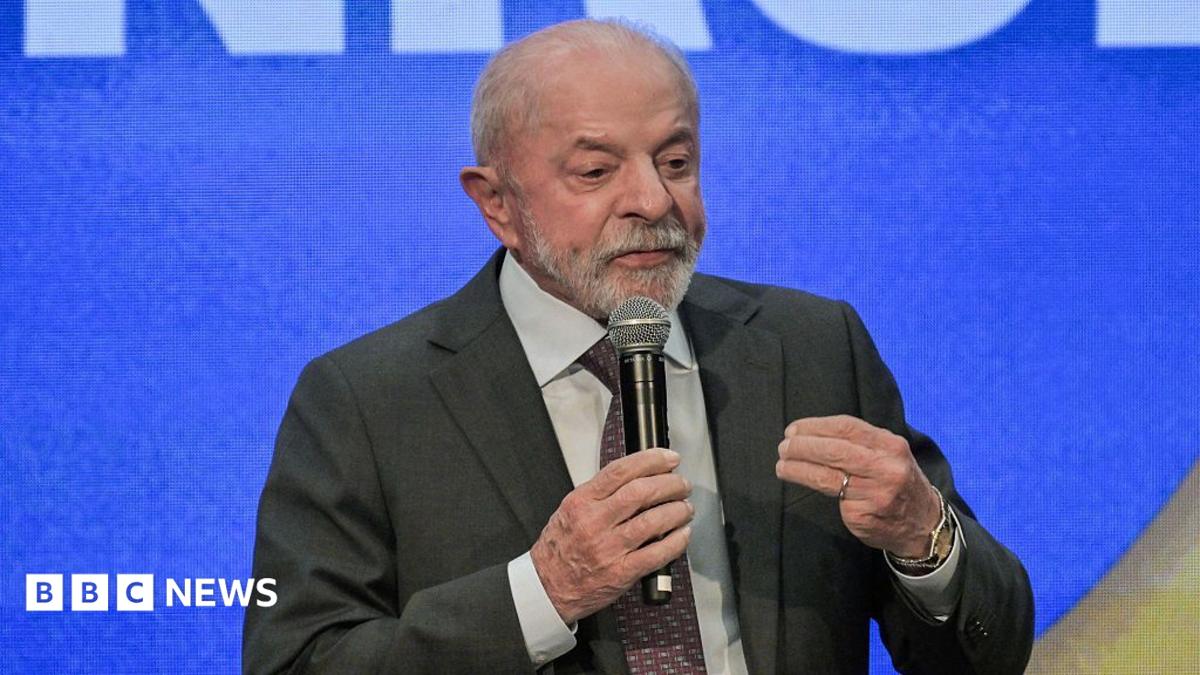
In a dramatic political and economic maneuver that has sent shockwaves through Latin America's largest economy, Brazilian President Luiz Inácio Lula da Silva has announced an immediate and sweeping ban on online gambling platforms nationwide. Speaking from Brasília, the incumbent leader did not mince words, famously characterizing the rapidly expanding digital betting sector as a societal "cancer" that his administration must aggressively "remove" to protect public welfare and household stability.
The timing of this radical policy shift is acutely political. Lula currently finds himself embroiled in an exceptionally tight and polarizing presidential reelection campaign against conservative challenger Flávio Bolsonaro. By taking direct aim at an industry that has captured millions of working-class Brazilians, the administration is attempting to consolidate populist support, appealing directly to families suffering from mounting household debt driven by digital sportsbooks and online casinos. The decree marks a sharp reversal from recent legislative efforts that had sought to tax and regulate the burgeoning market, transforming a prospective revenue stream into a high-stakes electoral battleground.
Global Trade & Economic Ripples
The abrupt prohibition of online gambling in Brazil carries profound implications for global fintech, venture capital, and digital commerce. Over the past three years, Brazil had emerged as one of the world's most lucrative growth frontiers for international betting conglomerates, attracting heavy institutional investment from European and North American gaming giants. Major operators now face immediate revenue contraction, forced write-downs, and complex legal challenges as they attempt to untangle local partnerships and payment processing infrastructures.
Beyond the gaming sector proper, the regulatory shockwave reverberates across broader financial markets. International payment gateways, digital wallet providers, and credit institutions operating within the Mercosur trade bloc must rapidly reconfigure compliance frameworks to block illicit transactional flows. Furthermore, foreign investors are re-evaluating regulatory predictability in Brazil. The sudden criminalization of a previously legalized digital service underscores the sovereign risk inherent in Latin American commodity and consumer markets, potentially dampening foreign direct investment in adjacent technology sectors.
Related Intelligence: Inside the UN General Assembly: Global Diplomacy and Economic Realities
International Reactions & Diplomatic Stances
Multilateral bodies and international financial analysts have expressed mixed reactions to Brasília's protectionist pivot. Representatives from global consumer protection organizations and public health advocates have quietly praised the move, citing the alarming correlation between unchecked digital gambling and rising rates of personal bankruptcy, domestic distress, and compulsive addiction among vulnerable demographics.
Conversely, international trade associations and diplomatic representatives from nations hosting major gaming corporations have raised concerns regarding legal certainty and bilateral investment treaties. Analysts warn that sudden regulatory bans without phased transition periods could invite international arbitration claims under bilateral trade agreements. Meanwhile, regional neighbors such as Argentina, Colombia, and Peru are closely monitoring the fallout, weighing whether Brazil's hardline intervention will trigger regional protectionist contagion or create an opportunity to capture displaced foreign capital.
Strategic Outlook & Future Scenarios
As the presidential campaign intensifies, the online gambling ban will undoubtedly remain a central pillar of national political debate. Should Lula secure victory, the ban is expected to face rigorous legislative and judicial challenges from industry lobbies, potentially resulting in a protracted constitutional battle over state versus federal regulatory authority. Alternatively, if Flávio Bolsonaro capitalizes on economic discontent to win the presidency, the future of the ban remains highly volatile, opening doors for a potential market liberalization under strict conservative oversight.
On a macroeconomic scale, the enforcement mechanisms deployed by the Brazilian central bank will serve as a global test case for authoritarian capital controls within the digital economy. If Brasilia successfully chokes off online transaction channels, it could establish a blueprint for other emerging economies seeking to insulate their domestic currency values and consumer bases from the destabilizing effects of hyper-accessible cross-border digital platforms.
Join Our Official WhatsApp Channel
Receive live commodity alerts, policy changes, and commercial intelligence directly on WhatsApp.