
Global Diplomacy at UN Fails on Conflicts but Advances Tech and Trade Talks
United Nations General Assembly diplomacy concluded without major conflict breakthroughs, yet advanced crucial talks on Iran, Ukraine, and artificial intelligence, carrying vital downstream implications for Pakistan's trade and economy.
The Core Development
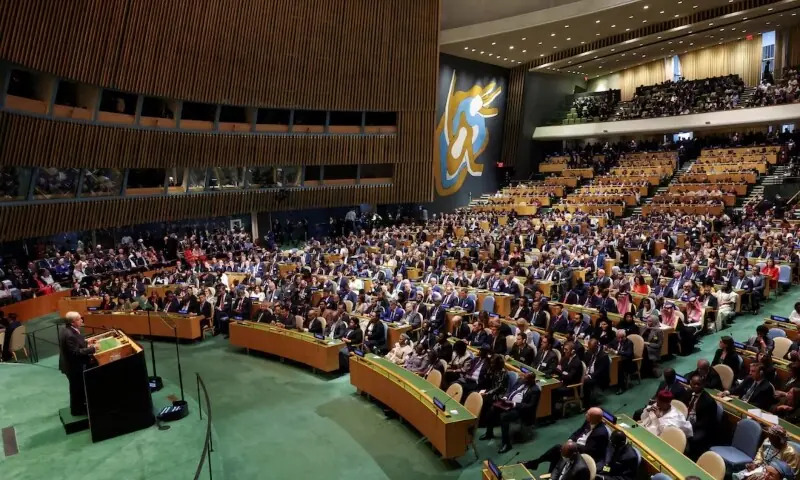
As armored limousines whisked world leaders away from United Nations headquarters on Friday, the diplomatic community took stock of a turbulent, high-stakes week defined by intense speeches, closed-door bilateral meetings, and exhaustive hallway negotiations. While the gathering failed to yield definitive breakthroughs on the world's most entrenched geopolitical conflicts, it served as a vital pressure-release valve and a functional engine for incremental progress. Most notably, the global summit facilitated the first direct shuttle diplomacy between American and Iranian officials since the collapse of regional ceasefires in July, opening fragile communication channels between Washington and Tehran under the watchful eye of international mediators.
Simultaneously, diplomatic delegations engaged in protracted discussions regarding the ongoing war in Ukraine, exploring renewed pathways for grain corridor security and energy market stabilization. Beyond traditional security concerns, the United Nations venue hosted high-level panels where global superpowers and industry leaders confronted the exponential rise of artificial intelligence, debating regulatory frameworks, algorithmic biases, and the systemic risks posed by unchecked technological acceleration.
Commercial & Economic Implications
For emerging economies like Pakistan, the ripples of UN-level diplomacy extend far beyond diplomatic protocols, striking directly at the heart of domestic commerce, retail trade, and wholesale distribution networks. The resumption of indirect talks between the United States and Iran holds profound significance for regional energy stability. Any future easing of sanctions or normalization of trade relations on Pakistan's western border could unlock vital cross-border energy pipelines, lowering petroleum and electricity tariffs for industrial manufacturers and domestic consumers alike.
Furthermore, negotiations concerning agricultural trade routes and Ukrainian grain exports directly impact local wheat and commodity prices in Pakistani markets. Global supply chain readjustments discussed during the summit dictate import parity pricing for essential foodstuffs, playing a critical role in determining domestic inflation trajectories. Wholesale distributors and retail associations across Karachi, Lahore, and Islamabad monitor these geopolitical shifts closely, as fluctuations in international shipping insurance and fuel surcharges instantly transmit down to retail shelves, affecting consumer purchasing power.
Related Intelligence: US Rejects Iranian Strait of Hormuz Proposal Amid Stalemate
Stakeholder Perspectives & Market Reactions
Business councils, trader associations, and financial analysts in Pakistan have expressed cautious optimism tempered by pragmatic skepticism regarding the outcomes of international diplomacy. Representatives from major industrial chambers noted that while high-level summits generate positive rhetoric, the translation of diplomatic goodwill into tangible trade concessions remains sluggish. Exporters emphasize the urgent need for stable international shipping lanes and predictable energy costs to maintain competitiveness in global markets.
Legal and financial experts point out that discussions surrounding artificial intelligence and digital governance at the UN signal an impending wave of international compliance standards. Pakistani tech enterprises and BPO service providers are being advised to align with emerging global data security frameworks to safeguard export revenues. Meanwhile, consumer advocacy groups remain focused on domestic price stability, urging policymakers to insulate local markets from external commodity shocks.
Forward Outlook & Key Watchpoints
As the diplomatic caravan departs New York, attention shifts toward the implementation phase of these high-level deliberations. Key watchpoints for the upcoming quarter include the trajectory of US-Iran diplomatic backchannels, developments in Black Sea shipping corridors, and the formalization of international AI regulatory guidelines. For Pakistani markets, the immediate focus remains on foreign exchange reserves, import quota adjustments, and energy tariff revisions. Policymakers and commercial leaders must remain agile, positioning domestic supply chains to withstand potential volatility while capitalizing on any emerging trade openings resulting from global realignments.
Join Our Official WhatsApp Channel
Receive live commodity alerts, policy changes, and commercial intelligence directly on WhatsApp.