
Kalyar Traders Warns Economic Fallout as PPP Urges Political Restraint
As Pakistan Peoples Party leader Nasir Hussain Shah urges political restraint, Kalyar Traders analyzes the severe commercial risks posed by impending PTI protests on national retail and wholesale markets.
The Core Development
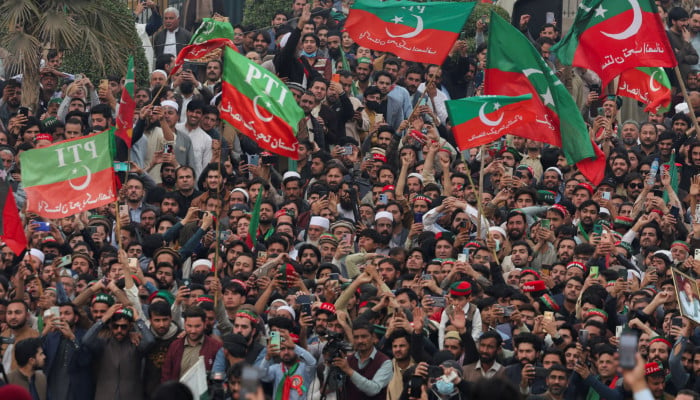
In the wake of escalating political friction between the federal government and the Pakistan Tehreek-e-Insaf (PTI), Pakistan Peoples Party (PPP) leader Nasir Hussain Shah on Monday issued a forceful appeal for mutual restraint. Speaking in Islamabad, Shah emphasized that sustained confrontation poses an immediate threat to the fragile socioeconomic recovery currently managed by coalition stakeholders. The political friction centers on impending opposition demonstrations scheduled for major urban arteries, raising concerns over law enforcement deployment, mobility restrictions, and potential civil unrest in the federal capital and key provincial junctions.
The timeline of events underscores a deepening institutional standoff. Administration officials have ramped up security protocols across Islamabad and Rawalpindi, deploying container blockades at critical entry points. These measures, while ostensibly designed to maintain public order, have triggered immediate administrative bottlenecks, complicating transit routes for both commuters and commercial freight operators travelling between Punjab and the capital territory.
Commercial & Economic Implications
For Pakistan's commercial bedrock, particularly retail trade networks and wholesale distribution syndicates represented by Kalyar Traders, political volatility translates directly into operational paralysis. Prolonged blockades and street protests severely disrupt supply chain velocity, preventing essential commodities and perishable goods from reaching regional markets on schedule. When transport corridors are choked, logistical overheads surge, instantly compressing profit margins for micro, small, and medium-sized enterprises (MSMEs).
Furthermore, these disruptions exert upward pressure on domestic retail prices, fueling inflation at a time when consumer purchasing power is already stretched thin. Wholesale markets in Lahore, Karachi, and Faisalabad report cautious buying patterns as merchants hoard inventories to hedge against potential supply shocks. The broader macroeconomic cost is equally alarming; prolonged uncertainty undermines foreign investor confidence, derails export target fulfillment, and threatens the hard-won stability of the national currency.
Related Intelligence: Severe Typhoon Barrels Past Japan's Eastern Coast Disrupting Global Supply Chains
Stakeholder Perspectives & Market Reactions
Industry bodies and merchant associations have reacted to the looming protests with profound alarm. Representatives from major chambers of commerce across the country have issued joint statements demanding that political actors pursue dialogue within parliamentary bounds rather than resorting to disruptive street agitation. Commercial leaders point out that the retail sector has yet to fully recover from previous fiscal shocks, high energy tariffs, and contractionary monetary policies.
Legal analysts and constitutional experts argue that while the right to assembly is enshrined, it must be balanced against the fundamental economic rights of citizens and businesses to operate without arbitrary disruption. Public sentiment, reflected in urban consumer behavior, reveals mounting frustration with recurring political standoffs that directly impact daily livelihood and employment security. Official statements from government representatives maintain that while peaceful expression is tolerated, unlawful disruption of public order will be met with decisive administrative enforcement.
Forward Outlook & Key Watchpoints
As the proposed protest dates draw closer, market watchers and business analysts are closely monitoring several critical indicators. Key watchpoints include the outcome of back-channel negotiations between government intermediaries and opposition leadership, the nature and scale of security deployments in urban centers, and the operational status of major inter-city trade routes.
Should negotiations fail and widespread disruptions materialize, policymakers fear a severe setback to industrial output and revenue collection targets. Conversely, a de-escalation of political tensions could restore business confidence, stabilize supply chains, and allow commercial activity to resume its normal trajectory ahead of the upcoming fiscal review cycles.
Join Our Official WhatsApp Channel
Receive live commodity alerts, policy changes, and commercial intelligence directly on WhatsApp.