
PM Shehbaz Arrives in New York for UNGA Amid Rising Gulf Tensions
Prime Minister Shehbaz Sharif has arrived in New York to lead Pakistan's delegation at the 81st UNGA session, where regional security and economic headwinds will dominate high-level deliberations.
The Core Development
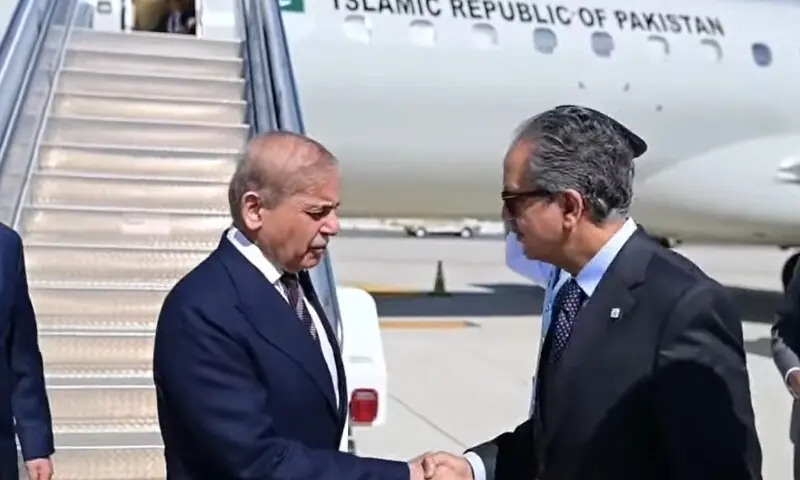
Prime Minister Shehbaz Sharif arrived in the United States on Monday to lead Pakistan's high-level delegation at the 81st session of the United Nations General Assembly (UNGA) in New York. Upon touching down, the premier was officially received at the airport by Pakistan's Permanent Representative to the United Nations, Asim Iftikhar Ahmad, alongside senior diplomatic staff. Prime Minister Sharif is slated to address the prestigious global forum on September 25. Diplomatic observers note that proceedings this year are widely expected to be overshadowed by the escalating Gulf conflict, which poses immediate geopolitical and economic repercussions for South Asia. The prime minister's itinerary includes crucial bilateral meetings with world leaders, multilateral economic discussions, and strategic consultations aimed at projecting Pakistan's stance on regional stability, counter-terrorism, and sustainable development.
Commercial & Economic Implications
For Kalyar Traders and Pakistan's broader commercial ecosystem, international diplomatic summits of this magnitude carry direct macroeconomic weight. The looming Gulf conflict threatens to disrupt vital energy supply chains, potentially triggering sharp volatility in global crude oil prices. As a net energy importer, Pakistan remains highly vulnerable to external petroleum shocks, which directly translate into elevated domestic fuel costs, high logistics expenses for wholesale distributors, and compressed profit margins across retail sectors. Furthermore, inflationary pressures stoked by international energy fluctuations can exacerbate cost-of-living challenges for domestic consumers. Financial markets and currency dealers are closely monitoring the prime minister's engagements with international financial institutions and Gulf partners, seeking reassurance regarding foreign exchange reserves, trade financing facilities, and bilateral investment flows essential for maintaining commercial stability.
Stakeholder Perspectives & Market Reactions
Business councils, trade associations, and corporate leaders across Pakistan have expressed cautious optimism regarding the diplomatic mission, while voicing deep concerns over external economic vulnerabilities. Representatives from wholesale and retail distribution networks have emphasized the urgent need for government-level assurances to stabilize import costs and prevent speculative pricing in domestic markets. Legal and financial analysts point out that while diplomatic forums primarily address political security, the ancillary economic pacts and financial dialogues conducted on the sidelines of the UNGA are critical for reinforcing investor confidence. Industrial bodies have urged the administration to leverage these high-level interactions to secure favorable trade terms and energy relief packages that can cushion domestic industries against external supply chain disruptions.
Forward Outlook & Key Watchpoints
As the UNGA session progresses toward the prime minister's address on September 25, stakeholders will monitor key outcomes from bilateral meetings with global economic leaders and heads of state. Critical watchpoints for the domestic business community include any announcements regarding energy import concessions, multilateral financial support mechanisms, and strategic trade frameworks. Policymakers in Islamabad will face the ongoing challenge of translating diplomatic engagements into tangible commercial benefits, ensuring that domestic monetary policy remains resilient against external geopolitical shocks while safeguarding local market stability over the upcoming quarters.
Join Our Official WhatsApp Channel
Receive live commodity alerts, policy changes, and commercial intelligence directly on WhatsApp.