
Dar Urges Preservation of GSP+ Status in High-Level EU Talks
Deputy Prime Minister Ishaq Dar stressed the irreplaceable economic value of the European Union GSP+ trade status during high-level diplomatic discussions in Islamabad.
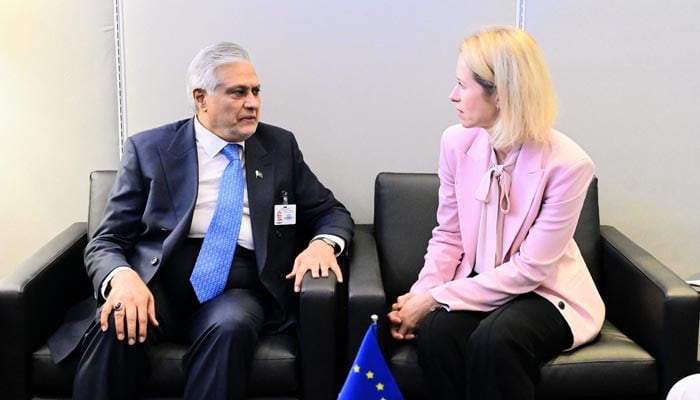
The Core Development
Deputy Prime Minister and Foreign Minister Ishaq Dar recently engaged in critical diplomatic deliberations with senior European Union representatives to underscore the paramount importance of maintaining Pakistan GSP+ trade preference status. The high-level meeting, held in Islamabad, focused heavily on the continuation of preferential tariffs that serve as a cornerstone for Pakistan external trade architecture. During the discussions, key administrative frameworks, compliance benchmarks, and human rights conventions tied to the Generalized Scheme of Preferences Plus (GSP+) were thoroughly reviewed by both delegations.
The timeline of these diplomatic interactions coincides with rigorous evaluations by European monitoring bodies concerning Pakistan legislative and practical implementation of international conventions. The Deputy Prime Minister articulated the government unwavering commitment to fulfilling international obligations, noting that regulatory alignment with European standards remains a top national priority. Specific policy details regarding labor laws, environmental safeguards, and judicial reforms were deliberated to ensure seamless continuation of the trade preferences beyond the current review cycles.
Commercial & Economic Implications
The preservation of the GSP+ status holds monumental significance for Pakistan domestic economy, directly influencing retail trade, wholesale distribution, and industrial manufacturing sectors. Without these preferential zero-to-low tariffs, key export-oriented industries—particularly textiles, leather goods, and agro-food products—would face prohibitive duties, severely eroding their competitive edge in European markets. This vulnerability would rapidly cascade down the supply chain, impacting raw material suppliers, local cotton growers, and urban manufacturing hubs across Punjab and Sindh.
Furthermore, any disruption in export revenues would exert severe downward pressure on Pakistan foreign exchange reserves, directly impacting macroeconomic stability, exchange rate volatility, and domestic inflation. For the average consumer and wholesale markets, robust export earnings are vital for stabilizing import costs and maintaining foreign currency liquidity. A loss of GSP+ privileges would trigger a contraction in industrial output, potentially leading to factory closures, localized unemployment, and compressed retail spending power across major commercial centers.
Stakeholder Perspectives & Market Reactions
Leading trade bodies, chambers of commerce, and industrial associations have expressed cautious optimism following the diplomatic exchanges, while reiterating the urgency of institutional compliance. Representatives from the All Pakistan Textile Mills Association (APTMA) and various export councils stressed that the business community relies heavily on predictable regulatory frameworks. Industry leaders noted that foreign buyers require long-term certainty regarding tariff structures to maintain supply chain contracts without the looming threat of sudden trade disruptions.
Legal and policy analysts have highlighted that while the government is making concerted diplomatic efforts, sustained domestic reforms remain non-negotiable for long-term eligibility. Public response from business stakeholders underscores a widespread consensus: compliance with international conventions is not merely a diplomatic checklist, but a prerequisite for modernizing Pakistan industrial base. Official statements from the Ministry of Commerce reaffirmed that inter-ministerial task forces are actively monitoring implementation milestones to satisfy European commission evaluations.
Forward Outlook & Key Watchpoints
Looking ahead, the immediate trajectory of Pakistan-EU trade relations hinges upon upcoming regulatory evaluations and legislative reporting milestones. The European Commission is slated to review ongoing progress regarding the implementation of core international conventions, making continuous domestic policy enforcement essential. Policymakers must demonstrate tangible enforcement in labor standards and governance to secure the extension of preferential tariffs.
Key watchpoints for investors and market analysts include upcoming legislative amendments, bi-annual compliance monitoring reports, and bilateral trade delegation visits scheduled for the upcoming quarters. Ensuring institutional readiness and proactive stakeholder engagement will determine whether Pakistan successfully safeguards its vital export corridor into the European Union.
Join Our Official WhatsApp Channel
Receive live commodity alerts, policy changes, and commercial intelligence directly on WhatsApp.