
Pakistan and Iran Forge Security Pact to Boost Regional Trade
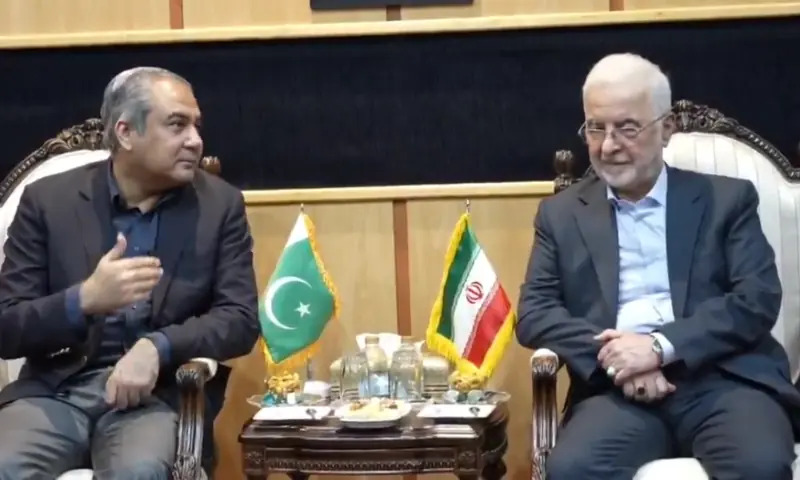
Pakistani Interior Minister Mohsin Naqvi met Iranian officials in Tehran to strengthen bilateral trade security and advance regional stability frameworks.
The Core Development
In a significant diplomatic and strategic engagement, Pakistan's Interior Minister Mohsin Naqvi traveled to Tehran on Monday for high-level consultations with his Iranian counterpart, Eskandar Momeni. The discussions centered on strengthening bilateral relations, countering transnational security threats, and finalizing frameworks for enhanced border management. During the formal deliberations, the Iranian leadership formally expressed profound appreciation for Pakistan's civilian and military apparatus, specifically acknowledging Prime Minister Shehbaz Sharif and Chief of Army Staff Field Marshal Asim Munir. Tehran lauded their relentless diplomatic and security initiatives aimed at curbing cross-border militancy and fostering long-term regional peace. According to official readouts from the interior ministry, both delegations thoroughly evaluated ongoing institutional cooperation between their respective interior ministries, setting a collaborative tone for upcoming bilateral commissions.
Commercial & Economic Implications
For Kalyar Traders and the wider business community across Pakistan, enhanced security cooperation with Iran holds monumental economic significance. The porous 900-kilometer border has historically presented logistical bottlenecks for bilateral trade, affecting formal supply chains, wholesale distribution, and retail markets in Balochistan and Sindh. By securing these transit routes against smuggling and unauthorized disruptions, both nations aim to transition informal barter trade into structured, documented commercial corridors. This stabilization is expected to exert downward pressure on the prices of essential imported commodities, including energy products and agricultural goods, thereby mitigating inflationary pressures for Pakistani consumers. A predictable security environment directly translates into lower freight insurance premiums, reduced transit delays, and predictable wholesale pricing structures.
Related Intelligence: US Threatens Global Grounding of Iranian Airlines Over Sanctions
Stakeholder Perspectives & Market Reactions
Business councils, cross-border trader associations, and industry bodies have responded with cautious optimism to the Tehran talks. Representatives from chambers of commerce in southwestern Pakistan noted that sustainable commercial expansion strictly depends on uninterrupted supply lines and unified regulatory frameworks. Legal and trade experts emphasize that while political goodwill is paramount, the ultimate test lies in the rapid execution of agreed-upon border trade terminals and banking mechanisms to facilitate seamless cross-border settlements. Public response remains supportive of initiatives that promise job creation through formalized trade zones, though stakeholders continue to monitor whether bureaucratic hurdles will impede ground-level implementation.
Forward Outlook & Key Watchpoints
As bilateral momentum builds, economic analysts and business leaders are closely watching several critical milestones over the next two quarters. Key watchpoints include the operationalization of joint border markets, the finalization of a robust payment settlement mechanism to bypass international banking restrictions, and enhanced intelligence-sharing protocols. If implemented effectively, these measures could push bilateral trade volumes significantly higher. Kalyar Traders will continue to track regulatory updates from the Ministry of Commerce and interior ministries to advise commercial clients on shifting market dynamics, tariff adjustments, and emerging export opportunities in the Iranian market.
Join Our Official WhatsApp Channel
Receive live commodity alerts, policy changes, and commercial intelligence directly on WhatsApp.