
Mauritius Lifts Curfew Following Deadly Protests Over Inflation and Water Scarcity
Mauritius has revoked a nationwide curfew established after violent unrest erupted over severe inflation and chronic water deficits. The crisis highlights underlying vulnerabilities in the island state's external balance and supply resilience.
Geopolitical & Core Developments
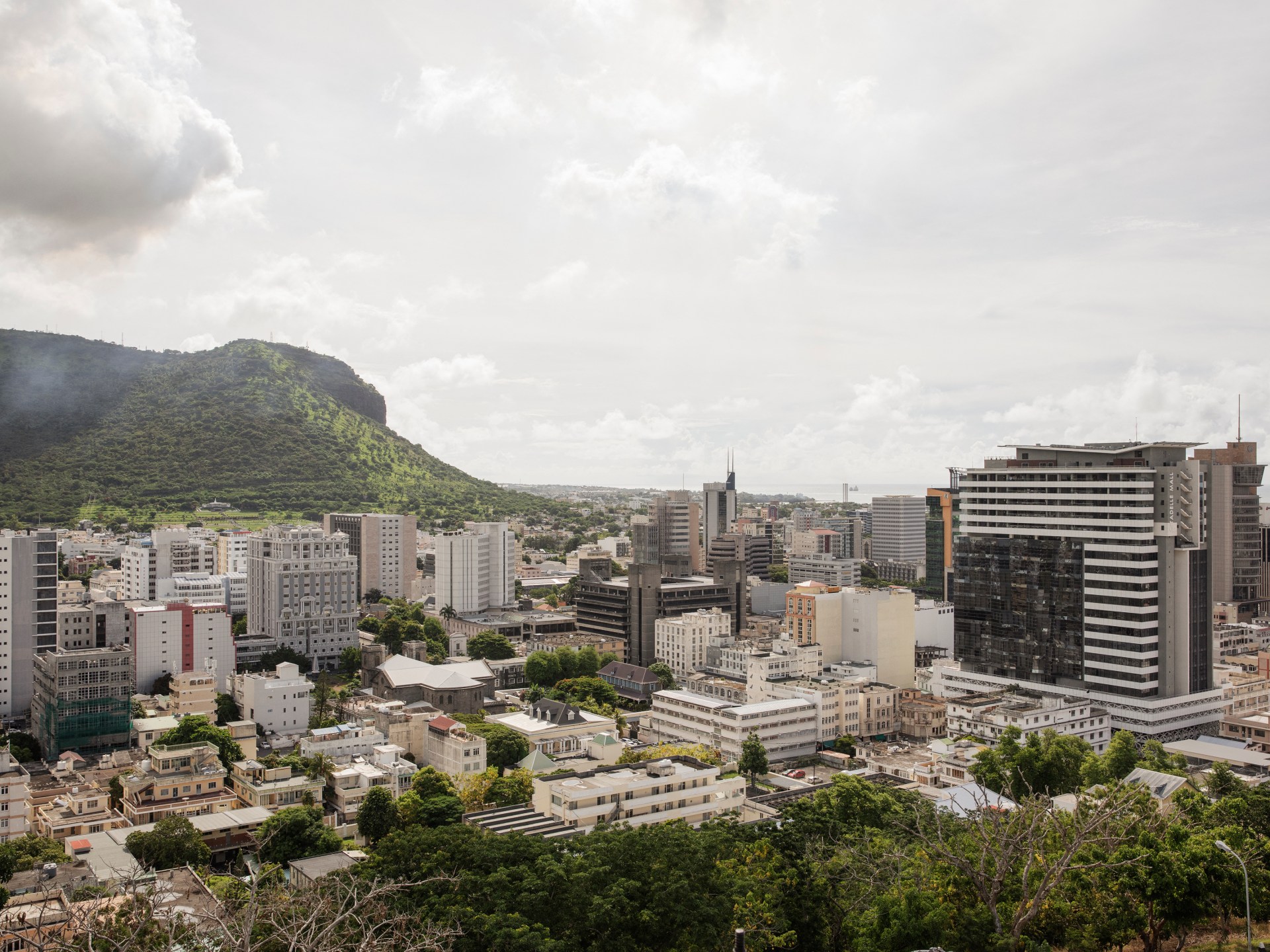
Authorities in the Republic of Mauritius have rescinded a stringent nationwide curfew after several days of violent civil unrest that paralyzed major urban districts and port zones. The turmoil escalated dramatically following an incident in which police forces fired live rounds into a crowd during a demonstration over escalating living costs and chronic utility failures, resulting in the death of a female demonstrator. The incident ignited localized riots across several peri-urban settlements surrounding Port Louis, prompting emergency barricades, arson attacks against administrative targets, and severe security deployments.
Mauritius has historically projected an image of political stability and democratic continuity in the southwestern Indian Ocean basin. However, the recent outbreak reflects acute structural fractures beneath the surface. Decades of underinvestment in basic municipal water infrastructure, compounded by seasonal drought patterns and escalating import bills for food and fuel, have severely degraded domestic living standards. The administration under Prime Minister Pravind Jugnauth faced immediate domestic backlash, forcing security ministers to deploy the Special Mobile Force to regain control of transport corridors before agreeing to ease curfews in a bid to defuse further public mobilization.
Global Trade & Economic Ripples
While Mauritius operates as an insular economy, its role as a strategic transshipment hub in the Indian Ocean and an established international financial center amplifies the fallout from domestic instability. Supply chain disruptions at Port Louis—a vital bunkering and transshipment juncture for vessels navigating the Cape of Good Hope route amidst ongoing Red Sea diversions—sparked brief maritime congestion. Delays in container offloading highlighted the archipelago's acute exposure to supply shocks, given its heavy reliance on imported agricultural commodities, refined petroleum, and specialized capital goods.
Furthermore, the economic repercussions directly threaten Mauritius's primary foreign currency earners: luxury hospitality and cross-border financial intermediation. The tourism sector, which accounts for roughly a quarter of the nation's gross domestic product and employs vast segments of the service labor market, faces impending cancellation pressures as international travel advisories are updated. Currency depreciation pressures on the Mauritian rupee have intensified, threatening to accelerate secondary inflation cycles by driving up the landed cost of containerized staple imports and refined petroleum products.
Related Intelligence: Government Slashes Petrol and Diesel Rates Amid Shifting Global Markets
International Reactions & Diplomatic Stances
International observers and regional bodies have voiced concern over the rapid escalation of violence in an archipelago traditionally seen as a beacon of institutional governance. The African Union Commission issued a formal statement urging institutional restraint, an independent inquiry into the police-involved fatality, and constructive multi-stakeholder dialogue to address the root causes of civil dissatisfaction. Western diplomatic missions in Port Louis, including those of the European Union, the United Kingdom, and the United States, issued consular alerts urging their citizens to exercise caution while calling on state authorities to uphold freedom of assembly.
Credit rating agencies and sovereign risk analysts have signaled that chronic fiscal burdens, combined with potential social volatility, could strain the sovereign's investment-grade trajectory. Macroeconomic analysts at regional development institutions noted that the civil unrest is symptomatic of broad-based macroeconomic pressures impacting frontier island economies that lack domestic energy production and remain reliant on volatile global commodity markets.
Strategic Outlook & Future Scenarios
In the near term, the government faces a precarious policy balancing act. De-escalating street demonstrations will require targeted fiscal interventions, such as expanded subsidies on essential foodstuffs and fast-tracked allocations to revitalize municipal water delivery systems. However, constrained sovereign balance sheets and elevated post-pandemic debt-to-GDP levels severely limit the state's capacity to maintain extensive structural subsidies without exacerbating fiscal deficits.
Looking ahead, the administration must navigate upcoming electoral cycles under increased public scrutiny. Failure to resolve systemic utility bottlenecks or to insulate vulnerable populations from imported inflation could prompt recurrent bouts of civil disobedience. Regionally, the instability will likely accelerate discussions within the Indian Ocean Commission concerning food security networks and regional maritime risk mitigation, underscoring that socio-economic fragility in insular states can have immediate ramifications for broader regional commerce and stability.
Join Our Official WhatsApp Channel
Receive live commodity alerts, policy changes, and commercial intelligence directly on WhatsApp.