
Pakistan Suspends Iran Border Trade Amid Escalating Regional Security Threats
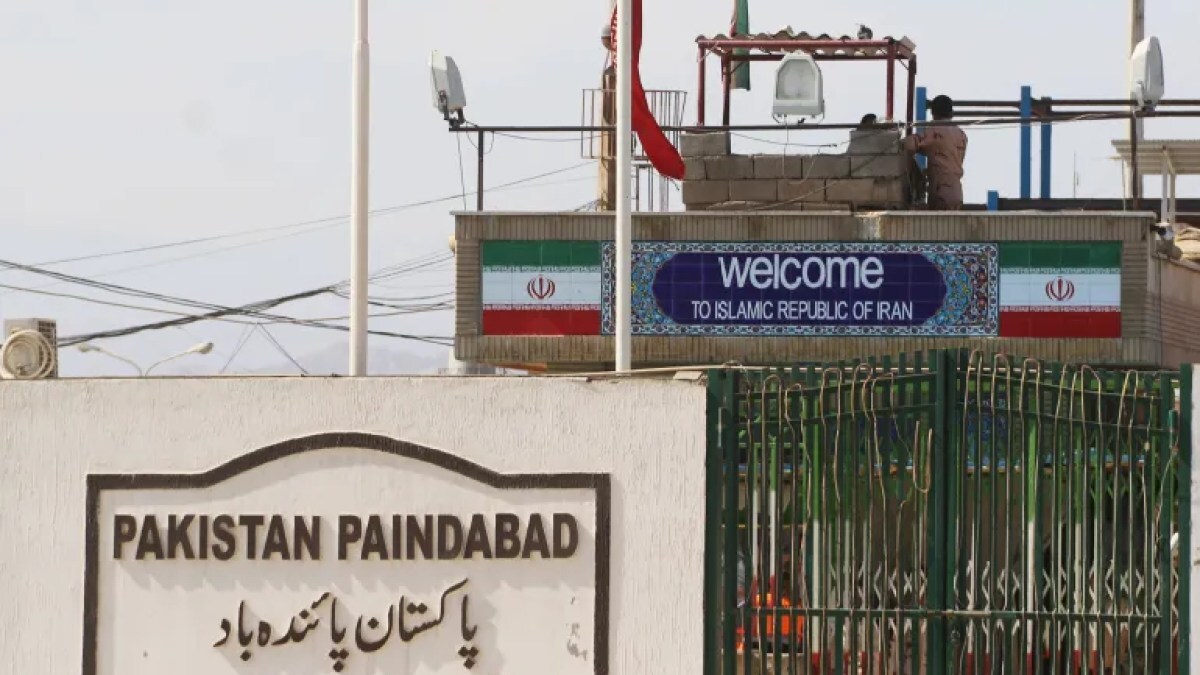
Pakistan has suspended cross-border commercial traffic with Iran following security flare-ups along the frontier. The move disrupts essential trade channels and tests Islamabad's role as a regional diplomatic intermediary.
Geopolitical & Core Developments
Cross-border commercial traffic between Pakistan and Iran ground to a halt this week as Islamabad suspended operations along primary transit terminals, citing acute security vulnerabilities. The move follows a series of lethal incidents involving non-state armed groups operating across the porous Balochistan-Sistan-Baluchestan frontier. While Pakistani security officials confirmed the freeze was prompted by direct tactical threats against border personnel and freight convoys, Iranian customs authorities framed the disruptions as stemming from operational and technical difficulties.
The 900-kilometer shared border has historically represented both a strategic economic corridor and a persistent counterinsurgency challenge for both capitals. Jaish al-Adl and Baloch separatist factions have routinely targeted state security infrastructure, testing bilateral security agreements negotiated over the past two years. The current disruption unfolds against a complex diplomatic backdrop. Islamabad has recently sought to function as a quiet backchannel mediator between Tehran and Washington, aiming to de-escalate wider Middle Eastern frictions. The local border closure exposes the acute operational friction that threatens to undermine high-level state diplomacy between Pakistan and Iran.
Global Trade & Economic Ripples
The suspension immediately impacts commercial corridors vital to regional economies, notably the Taftan-Mirjaveh land crossing. Pakistan relies extensively on overland imports of Iranian liquefied petroleum gas (LPG), industrial petrochemical precursors, tiles, and agricultural staples to sustain border markets in Balochistan. In return, Pakistan supplies Iran with critical consignments of basmati rice, textiles, and perishable food products.
Because official banking connections remain heavily constrained by unilateral US sanctions against Iran, bilateral trade relies heavily on structured barter trade mechanisms and specialized local currency clearings. A protracted border closure disrupts these alternative trade lanes, diverting freight toward maritime routes or driving up smuggling premiums across unregulated mountain passes. For regional markets, the immediate consequence will be localized price volatility in fuel and daily foodstuffs. Energy analysts note that while primary international maritime crude lanes via the Strait of Hormuz remain unhampered by this overland freeze, structural fragility across land borders diminishes regional economic integration initiatives spanning South Asia and the Middle East.
Related Intelligence: US-Iran Diplomatic Thaw Demands Strategic Patience and Sustained Engagement
International Reactions & Diplomatic Stances
Official quarters in Islamabad maintained that the operational shutdown is temporary and strictly defensive, aimed at insulating commercial transporters from insurgent ambushes. The Ministry of Foreign Affairs emphasized that high-level security liaisons remain active with Tehran to establish verifiable protocols before resuming heavy vehicular transit.
Conversely, Iranian officials have downplayed the ideological and security dimensions, publicly attributing cargo congestion to customs logistics and network infrastructure delays on the Pakistani side. Multilateral bodies and regional security analysts have expressed concern that border instability could foster wider friction if military responses become unilateral. Western diplomats have maintained a watchful stance, recognizing that internal stability along this corridor is essential to prevent rogue elements from triggering larger regional flashpoints while indirect diplomatic channels between Iran and global powers remain fragile.
Strategic Outlook & Future Scenarios
The trajectory of cross-border operations hinges on joint border security enforcement mechanisms. A short-term scenario points toward a phased reopening under enhanced military escort protocols, accompanied by bilateral director-general level border coordination meetings. Both nations possess strong economic incentives to avoid an extended freeze, particularly as both struggle with domestic macroeconomic challenges and severe foreign exchange pressures.
However, should asymmetric militant attacks escalate further, the border risks sliding into repeated cycles of unilateral closures, retaliatory artillery exchanges, or targeted cross-border operations. Such outcomes would dismantle the emerging barter frameworks that Pakistan and Iran have painstakingly constructed to bypass external sanctions. The closure serves as a stark reminder that regional diplomatic ambition and grand geoeconomic connectivity projects remain vulnerable to tactical security deficits on the ground.
Join Our Official WhatsApp Channel
Receive live commodity alerts, policy changes, and commercial intelligence directly on WhatsApp.