
Ukraine War Toll Highlights Broader Geopolitical Strain on Prominent Cultural Figures
The personal toll of the ongoing Russian invasion of Ukraine has extended into global sports, spotlighting the far-reaching human and cultural fallout of the protracted conflict.
Geopolitical & Core Developments
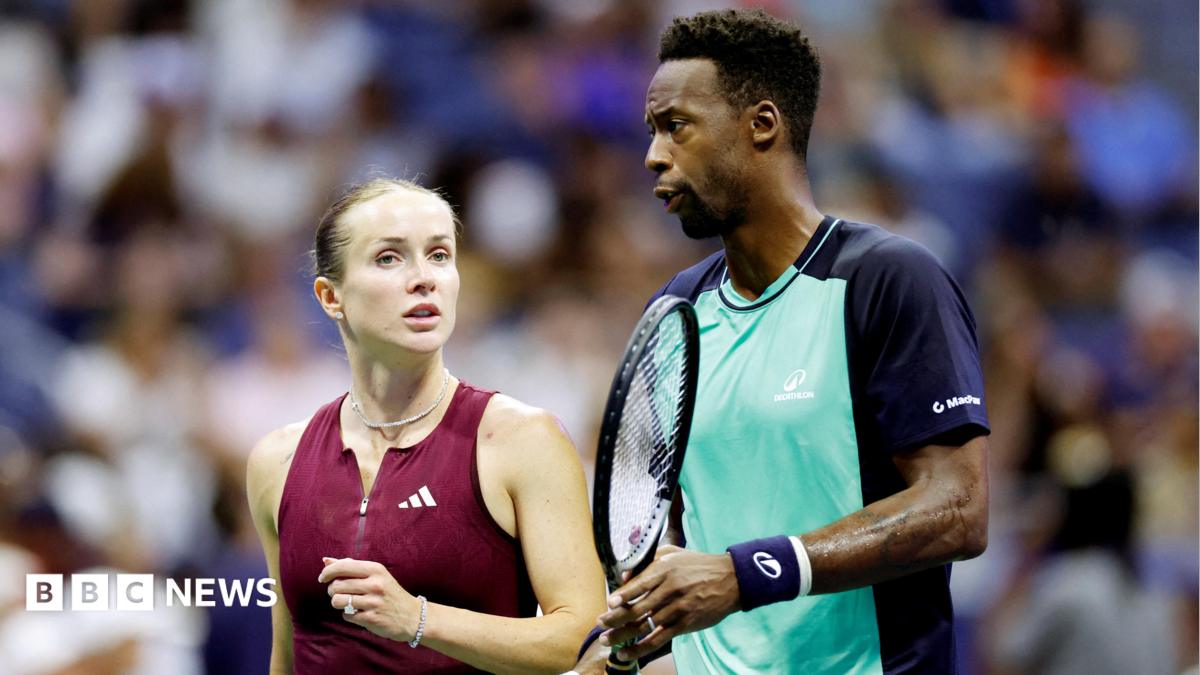
The ongoing conflict in Ukraine continues to exert profound psychological, societal, and political pressures well beyond the physical frontlines in Eastern Europe. Highlighting the pervasive human cost, Ukrainian international tennis star Elina Svitolina publicly revealed that the acute emotional toll and relentless stress stemming from the Russian invasion contributed directly to her separation from French tennis professional Gael Monfils. Svitolina, an Olympic bronze medalist and former world number three, has maintained an active role on the international stage since the full-scale invasion launched in February 2022, leveraging her global athletic platform to direct humanitarian relief and advocate for sustained political assistance to Kyiv.
The development exemplifies how modern asymmetric conflicts destabilize the cross-border civilian framework, reaching international sporting institutions and diaspora networks. Svitolina and Monfils, who married in 2021 and share a daughter born later that year, have operated under intense public scrutiny as Ukrainian athletes navigate strict sporting protocols alongside wartime responsibilities. Svitolina has consistently refused to shake hands with Russian and Belarusian competitors, turning individual matches into diplomatic flashpoints on the international tennis tour.
Global Trade & Economic Ripples
While personal narratives emerge from the athletic sphere, they underline the systemic exhaustion impacting broader Ukrainian human capital and international commerce. The ongoing hostilities continue to reverberate through regional economies, dampening consumer confidence and driving systemic reallocation of institutional capital across Central and Eastern Europe. Global entertainment, sports management, and corporate sponsorship ecosystems have reconfigured multimillion-dollar asset allocations, severing long-standing commercial partnerships with Russian state-linked entities and shifting marketing expenditures toward stability-focused Western demographics.
More broadly, the sustained conflict perpetuates structural inefficiencies across vital commodity flows. Grain logistics through the Black Sea corridor, nitrogenous fertilizer distribution, and critical European agricultural inputs remain exposed to frontline military fluctuations and unilateral maritime restrictions. As Ukrainian cultural and sporting ambassadors maintain focus on defense needs, European economies continue to shoulder the costs of prolonged energy market diversification, increased defense spending, and protracted economic displacement.
Related Intelligence: Trump Realigns with Netanyahu Raising Middle East Escalation and Energy Concerns
International Reactions & Diplomatic Stances
Multilateral sports federations, including the International Olympic Committee (IOC), the Women's Tennis Association (WTA), and the Association of Tennis Professionals (ATP), have faced persistent administrative friction over the participation parameters of neutral-flag athletes from Russia and Belarus. Diplomatic representatives from Ukraine and allied Baltic states have regularly condemned concessions that allow athletes from aggressor states to compete on world stages, arguing that sports cannot be divorced from national security realities.
Ukrainian officials, including representatives from the Ministry of Youth and Sports, continue to emphasize that high-profile figures like Svitolina perform critical diplomatic functions. Svitolina's direct involvement with the United24 fundraising initiative—spearheaded by Ukrainian President Volodymyr Zelenskyy—illustrates how prominent public figures remain intertwined with state diplomacy. International analysts note that such advocacy has been instrumental in keeping international public sentiment engaged, particularly as legislative weariness threatens foreign aid authorizations in Washington and Brussels.
Strategic Outlook & Future Scenarios
The strategic horizon remains clouded by institutional strain and operational fatigue as the conflict approaches its fourth year. For Ukrainian civil society and international sports organizations, maintaining global attention on the humanitarian dimension of the conflict will encounter mounting challenges amid competing geopolitical crises in the Middle East and the Indo-Pacific.
Upcoming diplomatic milestones, including scheduled peace framework deliberations and European Union defense cohesion summits, will operate against a backdrop of prolonged societal exhaustion. High-profile disclosures regarding the personal strain of warfare underscore that attrition extends past physical infrastructure and territorial control, deeply affecting the generational viability and emotional resilience of Ukraine's global workforce and cultural leadership.
Join Our Official WhatsApp Channel
Receive live commodity alerts, policy changes, and commercial intelligence directly on WhatsApp.