
Pakistan Executes Calibrated Air Strikes Against Terrorist Hideouts in Afghanistan
Pakistan conducted calibrated air strikes against terrorist hideouts in Afghanistan under Operation Ghazab lil Haq, targeting militant networks threatening national security and economic stability.
The Core Development
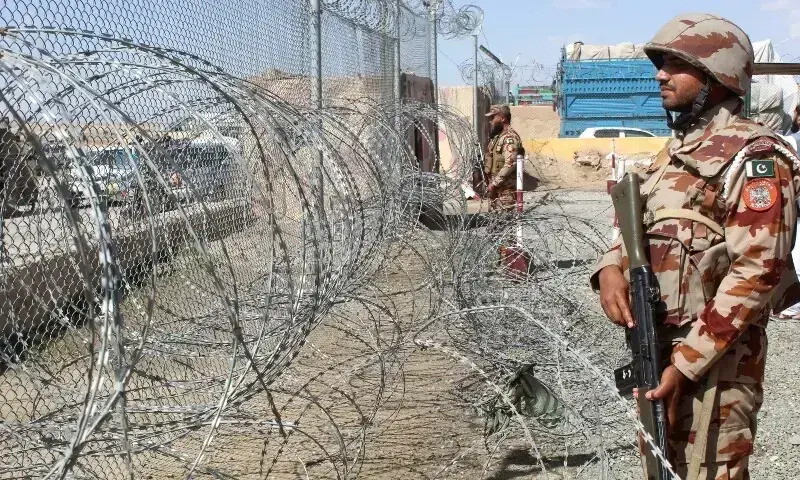
Pakistan executed a series of well-planned and calibrated air strikes targeting terrorist hideouts and safe havens situated within neighboring Afghanistan, according to an official statement released by the Ministry of Information on Thursday. The military action represents a direct continuation of Operation Ghazab lil Haq, underscoring Islamabad's unwavering resolve to completely dismantle militant networks, operational infrastructure, and domestic as well as cross-border support systems. Based on highly credible intelligence inputs, the aerial operations successfully struck specific locations associated with organizations officially designated by state authorities as Fitna al Khwarij and Fitna al Hindustan, resulting in the neutralization of multiple combatants. The state utilizes the nomenclature Fitna al Khawarij to denote the proscribed Tehreek-i-Taliban Pakistan (TTP), while the designation Fitna al Hindustan is applied to specific Balochistan-based dissident groups to highlight alleged external state sponsorship and orchestrated efforts aimed at destabilizing Pakistan's internal security landscape.
Commercial & Economic Implications
Persistent security challenges and regional geopolitical friction exert a direct and profound influence on commercial activities, wholesale distribution networks, and investor sentiment across Pakistan. For Kalyar Traders and the wider business community, regional instability introduces severe supply chain vulnerabilities, heightens transport insurance premiums, and disrupts vital transit trade corridors connecting Central Asia through Afghanistan. Prolonged cross-border tensions risk inducing localized inflationary pressures, elevating costs for raw materials, and eroding consumer confidence in urban and rural markets alike. Economic resilience remains intrinsically linked to durable domestic security, making decisive counter-terrorism operations a necessary prerequisite for stabilizing commodity pricing, attracting foreign direct investment, and safeguarding national trade routes against persistent disruptions.
Related Intelligence: DR Congo Ebola Violence Threatens Regional Stability and Mineral Supply Chains
Stakeholder Perspectives & Market Reactions
Major business councils, trade associations, and industrial bodies across Pakistan have consistently emphasized the indispensable correlation between robust national security and sustainable economic growth. Representatives from commercial sectors note that while decisive military engagements impose short-term operational adjustments, they are vital for eradicating extortion, targeted violence, and infrastructure sabotage that routinely plague enterprise operations in border-adjacent regions. Legal analysts and security experts maintain that these calibrated measures reflect Pakistan's sovereign right to self-defense under international norms, particularly when actionable intelligence indicates persistent threats originating from ungoverned territories beyond national borders. Public response remains broadly supportive of state efforts to secure national frontiers, though commercial stakeholders continue to call for comprehensive diplomatic engagement alongside kinetic operations to secure long-term regional stability.
Forward Outlook & Key Watchpoints
As Operation Ghazab lil Haq progresses through its subsequent phases, policymakers, market analysts, and corporate leaders will closely monitor bilateral diplomatic communications between Islamabad and Kabul. Key watchpoints include the formal establishment of enhanced border management protocols, the enforcement of stringent counter-terrorism tracking mechanisms, and potential impacts on bilateral trade volumes and transit agreements. Sustainable normalization hinges upon Kabul's willingness to prevent its territory from being utilized for hostile operations against Pakistan. Meanwhile, domestic commercial entities must maintain robust risk mitigation frameworks to navigate potential regulatory shifts, border security tightening, and evolving macroeconomic indicators in the quarters ahead.
Join Our Official WhatsApp Channel
Receive live commodity alerts, policy changes, and commercial intelligence directly on WhatsApp.