
Pakistan Conducts Precision Strikes in Afghanistan Under Operation Ghazab lil-Haq
Pakistan's armed forces executed targeted counter-terrorism strikes inside Afghanistan under Operation Ghazab lil-Haq, neutralizing 22 militants and intensifying focus on regional security and economic stability.
The Core Development
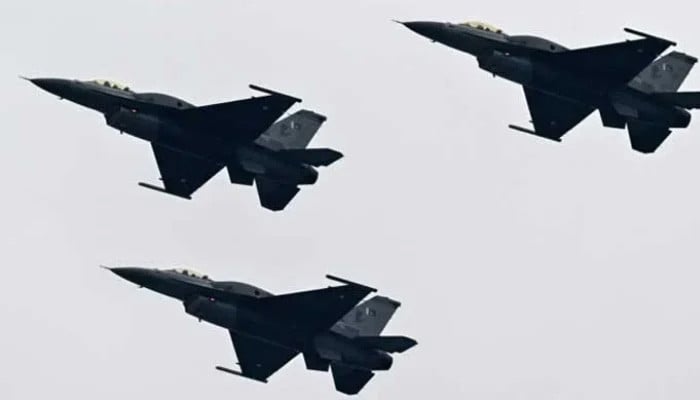
In a decisive escalation of national security policy, Pakistan has launched precision military strikes targeting fortified militant hideouts across the border in Afghanistan. Designated as Operation Ghazab lil-Haq by defence authorities, the operation successfully neutralized at least 22 combatants and obliterated significant stockpiles of heavy weapons and advanced ammunition caches. According to official briefings from the Ministry of Defence, the strikes were executed following rigorous intelligence data indicating imminent cross-border incursions and coordinated attacks against domestic infrastructure. The operation marks a critical juncture in Islamabad's strategic doctrine, shifting from reactive border management to preemptive neutralization of hostile safe havens that have long threatened regional stability.
Commercial & Economic Implications
For major commercial entities such as Kalyar Traders, national security developments of this magnitude inevitably cascade into the macroeconomic and mercantile spheres. Border security escalations frequently trigger immediate temporary closures or heightened regulatory friction at critical trade arteries such as the Torkham and Chaman crossings. These logistical bottlenecks disrupt bilateral commerce, stranding perishable container shipments and raw material imports destined for industrial hubs. Extended disruptions in cross-border supply chains invariably translate into localized inventory shortages, driving up wholesale distribution costs. For retail traders and consumers across Pakistan, these cost pressures risk exacerbating inflationary trends, particularly in essential commodities, fuel, and transit-dependent goods, compounding existing pressures on household purchasing power.
Related Intelligence: Pakistan Executes Precision Air Strikes Against Militant Hideouts in Afghanistan
Stakeholder Perspectives & Market Reactions
Business councils, wholesale market associations, and industrial federations have expressed cautious optimism regarding long-term security gains, tempered by immediate anxiety over trade continuity. Representatives from leading merchant bodies emphasized that while permanent eradication of militant elements is indispensable for sustainable economic growth, policymakers must implement rapid-transit corridors and buffer protocols to safeguard legitimate commercial freight. Legal and financial analysts note that sustained geopolitical friction could impact foreign investor sentiment and sovereign risk ratings, making predictable border management a paramount priority for the federal administration. Official statements from Islamabad reiterate an uncompromising resolve to eliminate terrorism while maintaining open channels for diplomatic and regulated economic engagement.
Forward Outlook & Key Watchpoints
As Operation Ghazab lil-Haq unfolds, business analysts and market participants are closely monitoring several critical indicators over the coming weeks. Key watchpoints include the operational status of major commercial transit routes, potential retaliatory security incidents, and any subsequent diplomatic communiqués between Islamabad and Kabul. Furthermore, domestic fiscal authorities will be assessing whether supply chain friction necessitates emergency interventions to stabilize wholesale pricing indices. Sustainable economic recovery and retail market equilibrium will heavily depend on how swiftly security forces can consolidate their operational gains without inflicting prolonged paralysis on cross-border commerce.
Join Our Official WhatsApp Channel
Receive live commodity alerts, policy changes, and commercial intelligence directly on WhatsApp.