
Pakistan Executes Precision Air Strikes Against Militant Hideouts in Afghanistan
Pakistan's Ministry of Information confirmed calibrated air strikes against militant hideouts in Afghanistan under Operation Ghazab lil Haq, neutralizing multiple threats from banned groups.
The Core Development
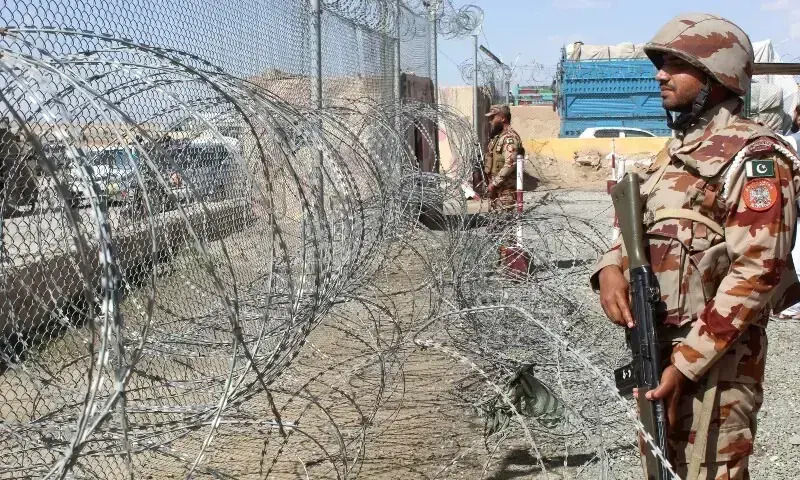
In a decisive escalation of national security operations, Pakistan has executed well-planned and calibrated air strikes targeting terrorist hideouts and safe havens inside neighboring Afghanistan. According to an official statement released by the Ministry of Information via social media platform X, the precision aerial operations were conducted at two distinct locations based on highly credible intelligence inputs.
The strikes form a critical continuation of Operation Ghazab lil Haq, an ongoing security framework designed to systematically dismantle terrorist networks, logistical nodes, and active supporters operating along the border regions. The ministry explicitly identified the targets as elements belonging to 'Fitna al Khwarij'—the state designation for the banned Tehreek-i-Taliban Pakistan (TTP)—alongside factions categorized under 'Fitna al Hindustan'. Initial intelligence assessments confirm the successful elimination of multiple high-value militants and the destruction of key infrastructure utilized to launch cross-border incursions into Pakistani territory. This development marks a significant hardening of Islamabad's posture against transnational militant sanctuaries that continue to threaten regional stability and domestic peace.
Commercial & Economic Implications
For the domestic business community, wholesale distributors, and retail trade networks represented by Kalyar Traders, national security remains inextricably linked to macroeconomic stability and supply chain resilience. Persistent cross-border security threats have historically introduced severe volatility into regional trade routes, particularly along key commercial arteries connecting Pakistan with Central Asian markets through Afghanistan.
Heightened security measures and potential retaliatory disruptions pose immediate risks to overland trade logistics, transport freight rates, and cross-border commercial transit. When trade corridors experience security friction, logistics companies are forced to reroute shipments, leading to extended transit times and elevated fuel surcharges. For retail and wholesale sectors dealing in imported goods, agricultural commodities, and regional raw materials, these logistical bottlenecks translate directly into inflated operational overheads. Over the medium term, sustained counter-terrorism pressure is essential to stabilize national supply chains, safeguard trade transit corridors, and curb inflationary pressures on essential consumer goods by ensuring predictable, secure commercial flows across Pakistan's western frontier.
Stakeholder Perspectives & Market Reactions
Business councils, trade associations, and industry bodies have responded to the military developments with a dual focus on national security imperatives and economic continuity. Major chambers of commerce across Khyber Pakhtunkhwa and Punjab have consistently emphasized that long-term commercial investment and industrial growth cannot be achieved without absolute territorial security.
Industry stakeholders note that while border closures or heightened security protocols can cause short-term friction for import-export houses, the ultimate eradication of militant networks operating from foreign soil is a necessary prerequisite for sustainable economic development. Legal and policy analysts point out that these calibrated strikes reflect a growing doctrine of preemptive national defense, signaling to international investors that the state is prepared to take decisive action to protect its economic zones and industrial infrastructure from external terror threats. Public response generally mirrors a weary resolve, with citizens and commercial operators alike prioritizing durable security over temporary logistical convenience.
Forward Outlook & Key Watchpoints
As the situation along the Pakistan-Afghanistan border evolves, economic analysts and business leaders must monitor several critical indicators over the coming weeks. Primary watchpoints include potential diplomatic fallout between Islamabad and Kabul, official announcements regarding border crossing statuses for commercial cargo, and any subsequent adjustments to freight insurance premiums for transport operators.
Furthermore, businesses should evaluate domestic policy enforcement, potential reinforcement of internal security protocols around major commercial hubs, and Ministry of Commerce updates regarding regional trade agreements. If Operation Ghazab lil Haq successfully degrades militant capabilities without inducing prolonged border shutdowns, business confidence is expected to stabilize, clearing the path for predictable commercial activity heading into the next fiscal quarters.
Join Our Official WhatsApp Channel
Receive live commodity alerts, policy changes, and commercial intelligence directly on WhatsApp.