
Asian Games Hockey Semifinal Amplifies Regional Geopolitical Tensions
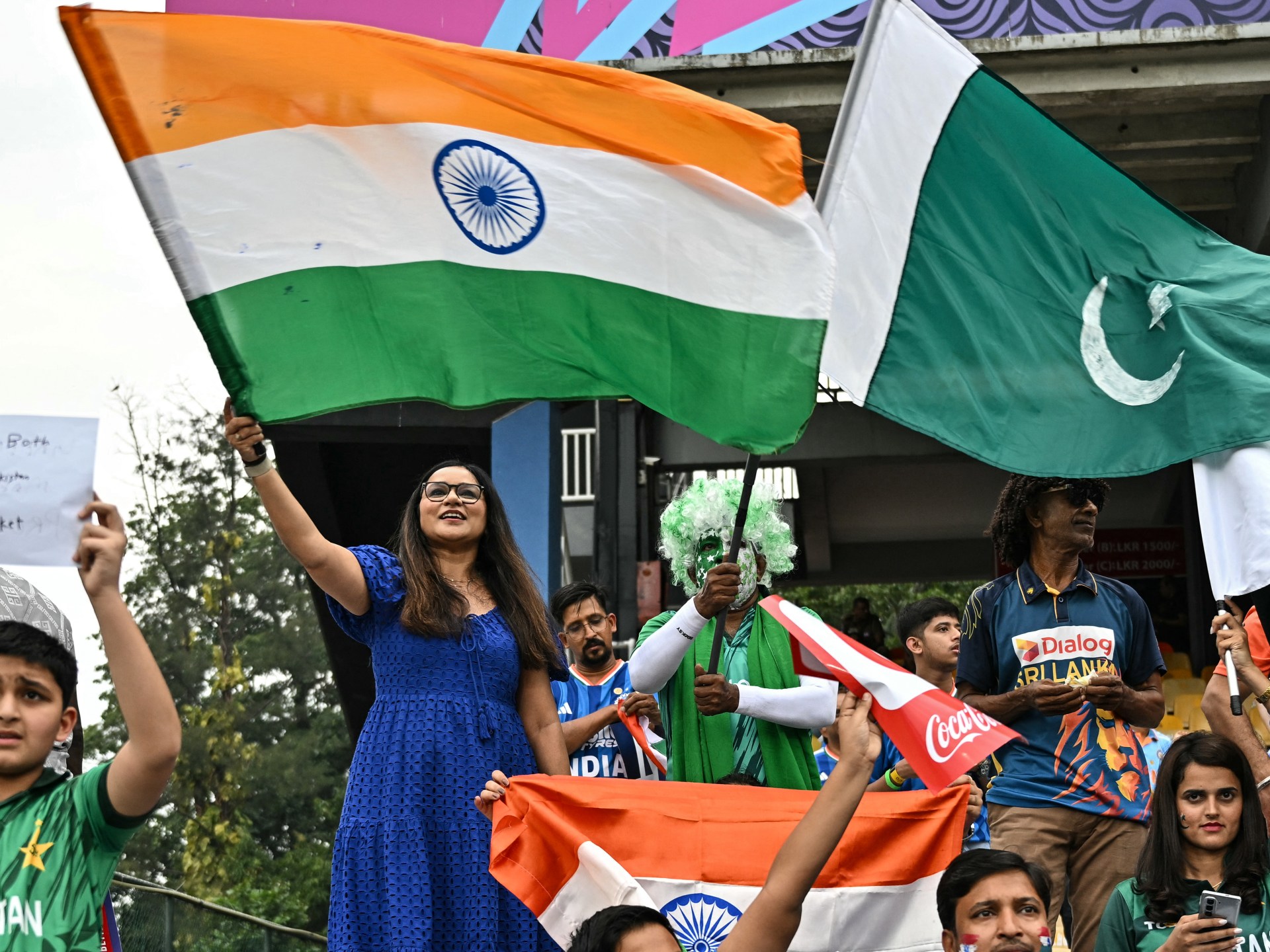
India and Pakistan's high-stakes hockey semifinal at the Asian Games reflects enduring geopolitical rivalries that influence broader regional stability and commercial sentiment across South Asia.
Geopolitical & Core Developments
The historic sporting rivalry between India and Pakistan transcends the athletic arena, frequently functioning as a sensitive barometer for bilateral diplomatic relations. As both nations converge in Japan for the Asian Games field hockey semifinal, the fixture unfolds against a backdrop of protracted strategic competition and frozen official dialogues. State actors in New Delhi and Islamabad view such high-profile encounters through a dual lens: managing domestic nationalist sentiment while signaling diplomatic posture on the international stage. Historically, sports diplomacy has occasionally offered a pathway for informal engagement, yet contemporary geopolitical friction often transforms athletic contests into high-stakes proxies for national prestige. The timeline of this rivalry is marked by decades of political interference, security considerations, and fluctuating diplomatic overtures, making every competitive meeting a matter of intense strategic scrutiny for foreign ministries across the region.
Global Trade & Economic Ripples
While direct bilateral trade between India and Pakistan remains heavily restricted due to long-standing tariff and non-tariff barriers, the broader psychological and political climate of South Asia exerts a measurable influence on regional commerce and investor confidence. Geopolitical tensions between the two nuclear-armed neighbors consistently deter multilateral foreign direct investment (FDI) into the immediate sub-region, as international capital markets price in security premiums. Furthermore, stability in South Asia directly impacts regional transit corridors, energy infrastructure projects, and supply chain reliability. Commodity markets closely monitor diplomatic flare-ups for potential spillover effects on regional currency stability and cross-border logistics, even as bilateral commerce flows remain largely depressed through official channels.
Related Intelligence: DR Congo Ebola Violence Threatens Regional Stability and Mineral Supply Chains
International Reactions & Diplomatic Stances
Multilateral bodies, including the United Nations and regional associations such as the South Asian Association for Regional Cooperation (SAARC), routinely observe high-profile engagements between India and Pakistan with cautious interest. Global analysts note that while international organizations consistently encourage peaceful dialogue and confidence-building measures, third-party mediation has found limited traction given New Delhi's preference for bilateral resolution and Islamabad's push for multilateral intervention. International sports governing bodies, alongside diplomatic missions stationed in the region, emphasize the potential of athletic events to foster goodwill, yet they remain acutely aware of how quickly public sentiment can be galvanized by nationalist rhetoric surrounding these fixtures.
Strategic Outlook & Future Scenarios
Looking ahead, the trajectory of India-Pakistan relations will likely remain bound to domestic political calendars, upcoming electoral cycles, and regional security developments. Upcoming international summits and multilateral forums may offer limited opportunities for sideline discussions, but a structural thaw in diplomatic or commercial ties appears unlikely in the near term. Analysts anticipate that proxy competition and diplomatic friction will continue to characterize bilateral dynamics, ensuring that cultural and sporting exchanges remain rare pressure valves for regional tension rather than catalysts for comprehensive peace negotiations.
Join Our Official WhatsApp Channel
Receive live commodity alerts, policy changes, and commercial intelligence directly on WhatsApp.