
Cross-Border Haze Crisis Exposes Regional Legal Vulnerabilities
Persistent transboundary haze from Indonesian wildfires chokes Southeast Asia, highlighting acute legal and economic vulnerabilities across regional trade corridors.
The Core Development
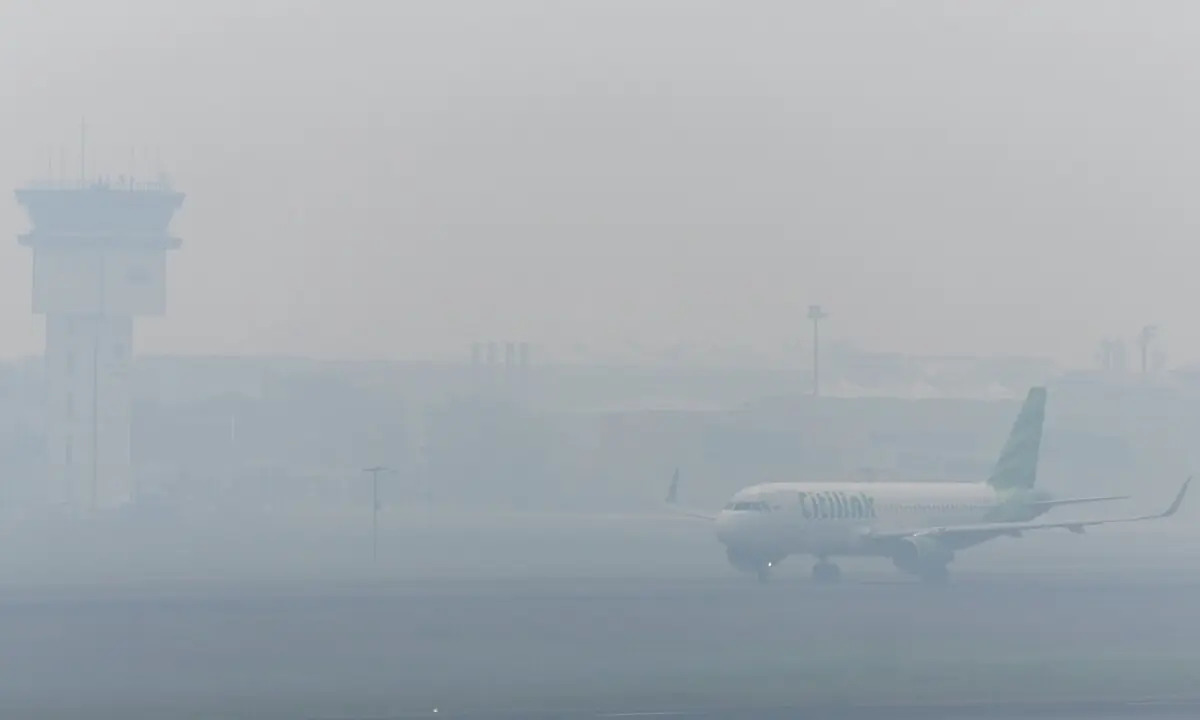
A persistent environmental and public health crisis has unfolded across Southeast Asia as thick toxic haze, generated by recurrent Indonesian wildfires, blankets neighboring Malaysia and Singapore for over a month. The hazardous smoke has forced widespread school closures, severely disrupted outdoor commercial activities, and sent respiratory complaints skyrocketing across urban centers. Despite the annual recurrence of this environmental catastrophe, affected nations face monumental hurdles in holding perpetrators accountable through international legal frameworks. Legal experts point out that seeking justice through the International Court of Justice in The Hague is hobbled by jurisdictional constraints, as the court fundamentally requires the mutual consent of both sovereign states involved in the dispute. Consequently, diplomatic frustration mounts as affected populations bear the brunt of unmitigated ecological degradation.
Commercial & Economic Implications
For institutional stakeholders and trading entities such as Kalyar Traders operating across Asian markets, transboundary environmental crises carry profound secondary economic repercussions. While the immediate disruption is localized to Malaysia and Singapore, prolonged industrial slowdowns, logistics bottlenecks, and workforce absenteeism directly impact regional manufacturing output and export supply chains. Agricultural commodity markets, particularly palm oil and timber sectors heavily implicated in slash-and-burn land clearance practices, experience heightened volatility. In Pakistan, imported consumer goods and raw materials sourced via broader Asian supply networks face potential cost inflations and shipping delays. Furthermore, inflationary pressures may ripple through regional wholesale distribution channels if agricultural yields suffer significant setbacks due to prolonged smoke obstruction and localized ecological stress.
Related Intelligence: DR Congo Ebola Violence Threatens Regional Stability and Mineral Supply Chains
Stakeholder Perspectives & Market Reactions
Regional trade associations, environmental legal bodies, and commercial chambers have voiced increasing frustration over the lack of enforceable bilateral and multilateral treaties governing transboundary pollution. Industry groups in Singapore and Kuala Lumpur are calling for stricter corporate accountability mechanisms, targeting multinational agribusiness conglomerates suspected of utilizing illegal fire-clearing methods for plantation expansion. Legal analysts emphasize that ASEAN's foundational principle of non-interference often paralyzes collective regional action, leaving aggrieved nations reliant on diplomatic persuasion rather than binding judicial mandates. Meanwhile, public health advocates demand immediate economic sanctions against repeat offenders, arguing that voluntary corporate sustainability pledges have fundamentally failed to curb the annual burning season.
Forward Outlook & Key Watchpoints
As the dry season persists, market watchers and policymakers are closely monitoring meteorological forecasts and Indonesian government enforcement actions against rogue agricultural operators. Key indicators to watch include satellite detection data tracking hotspot proliferation, ministerial-level dialogues within the Association of Southeast Asian Nations, and potential shifts in corporate governance standards demanded by international financiers. For Pakistani financial markets and commodity importers, mitigating exposure to vulnerable Southeast Asian supply chains will depend heavily on diversification strategies and enhanced risk assessment protocols in the face of escalating climate-induced trade disruptions.
Join Our Official WhatsApp Channel
Receive live commodity alerts, policy changes, and commercial intelligence directly on WhatsApp.