
DR Congo Ebola Violence Threatens Regional Stability and Mineral Supply Chains
The murder of a Congolese local official defending the Ebola response underscores deep-seated security challenges in mineral-rich eastern DRC, threatening both public health and global supply chains.
Geopolitical & Core Developments
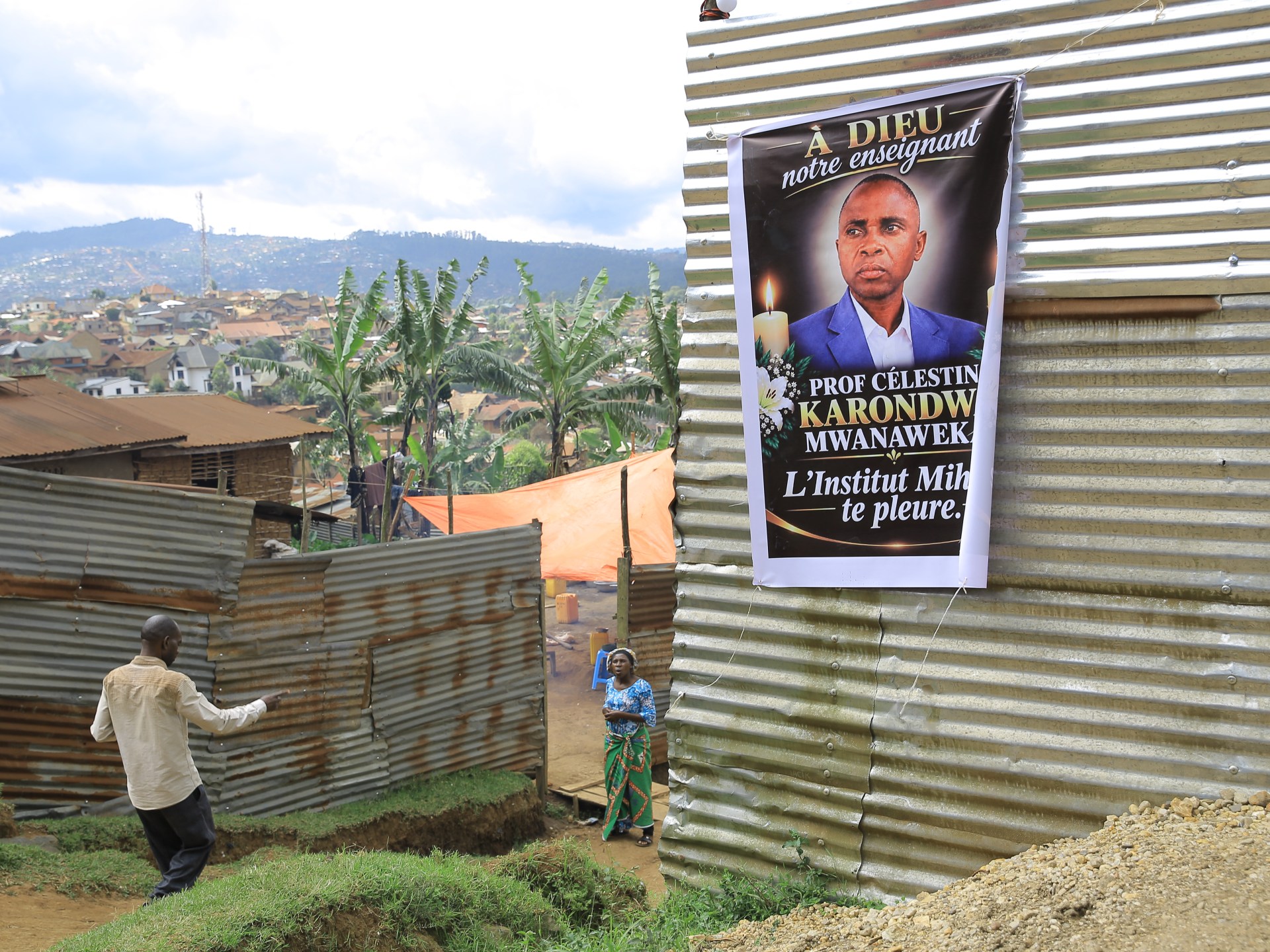
The brutal assassination of local official Marie-Celestin Karondwa in Butembo has laid bare the catastrophic security deficits plaguing the eastern region of the Democratic Republic of Congo (DRC). Karondwa was targeted at his home after vocally defending public health interventions against the Ebola virus in an acknowledged epicenter of the epidemic. This tragic event is not an isolated incident but rather a symptom of protracted armed conflict, systemic state fragility, and deep public distrust in state-led and international medical interventions. Eastern DRC has long remained a volatile theater featuring numerous domestic and foreign militias vying for territorial control and illicit resource extraction. The intersection of endemic disease outbreaks and violent insurgency creates a complex humanitarian emergency that local security forces struggle to contain. State actors and regional authorities face immense scrutiny over their inability to protect civil servants and medical personnel operating in hostile zones. The ongoing violence directly impedes epidemiological surveillance, contact tracing, and vaccination campaigns, effectively turning public health initiatives into high-risk geopolitical flashpoints.
Global Trade & Economic Ripples
While the immediate crisis centers on humanitarian and security concerns, the instability in eastern DRC carries profound implications for global commodity markets and international trade networks. The DRC is the world's leading producer of cobalt and a major exporter of copper, coltan, and gold, all of which are essential inputs for the global technology, automotive, and renewable energy sectors. Prolonged insecurity and localized uprisings in North Kivu and surrounding provinces routinely disrupt logistical corridors, mining operations, and cross-border trade with neighboring Uganda and Rwanda. Multinational corporations dependent on stable mineral supply chains face escalating operational risks, insurance premiums, and compliance costs associated with conflict minerals. Furthermore, epidemiological crises that trigger localized lockdowns or workforce decimations threaten production output, creating supply bottlenecks that ripple through international futures markets. Commodity traders and industrial consumers are forced to re-evaluate exposure risks, occasionally accelerating efforts to diversify sourcing or invest in alternative supply chains outside the Central African subregion.
Related Intelligence: Middle East Airspace Volatility Threatens Commercial Aviation and Trade Routes
International Reactions & Diplomatic Stances
The international community has reacted with profound alarm to the escalating violence against civilian administrators and health workers in the DRC. The United Nations, alongside the World Health Organization, issued strong condemnations of the attack on Karondwa, emphasizing that assaults on public servants severely compromise regional biosecurity and humanitarian operations. Multilateral bodies have reiterated calls for the Congolese government to strengthen security frameworks around medical and administrative personnel. Western governments and diplomatic missions in Kinshasa have urged heightened vigilance, warning that unchecked violence risks derailing broader stabilization and democratic consolidation efforts. International market analysts and trade associations have also expressed growing apprehension regarding the safety of foreign investments and expatriate personnel operating within the mining-heavy eastern provinces. Diplomatic pressure continues to mount on regional bodies, such as the Southern African Development Community and the East African Community, to broker sustainable security arrangements that address the root causes of militia activity and safeguard critical economic corridors.
Strategic Outlook & Future Scenarios
The trajectory of eastern DRC remains precarious, with several critical escalation points defining the near-term geopolitical and economic outlook. Without a decisive overhaul of regional security architecture and enhanced community engagement strategies, health interventions will remain dangerously vulnerable to militant backlash. Upcoming diplomatic summits focusing on Central African security and economic integration will test the political will of regional leaders to implement coordinated counter-insurgency and stabilization measures. Should violence persist unabated, international bodies may contemplate targeted sanctions against leaders of armed factions and illicit trafficking networks operating within the mining sectors. For global markets, the ongoing turmoil serves as a stark reminder of the vulnerability of critical mineral supply chains to localized governance failures, prompting long-term strategic adjustments among global industrial powers heavily reliant on Congolese natural resources.
Join Our Official WhatsApp Channel
Receive live commodity alerts, policy changes, and commercial intelligence directly on WhatsApp.