
Pakistan Denounces Afghan Taliban as Hindutva Proxy Amid Nuristan Clashes
Islamabad has sharply criticized the Kabul regime, terming it a non-inclusive force-imposed administration acting as a proxy for regional adversaries, threatening bilateral economic stability.
The Core Development
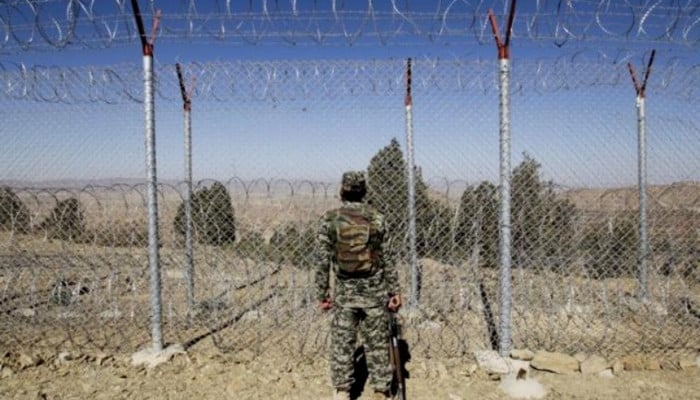
In a sharp escalation of diplomatic and security tensions, Islamabad has launched a blistering critique against the Afghan Taliban administration, branding the regime a non-inclusive, force-imposed entity acting directly as a proxy for 'Hindutva designs'. This harsh characterization follows recent volatile flare-ups and provocative allegations originating from Nuristan province along the porous border. Pakistani state and diplomatic officials articulated grave concerns regarding cross-border security dynamics, emphasizing that Kabul's current leadership is failing to uphold basic sovereign commitments to prevent hostile elements from utilizing Afghan soil. The diplomatic friction marks a significant downturn in bilateral relations, moving past mere border skirmishes into a fundamental ideological and geopolitical confrontation. Islamabad's security establishment has documented an uptick in destabilizing activities, attributing them to a calculated alignment between the Afghan regime and hostile regional actors seeking to undermine Pakistan's national security framework.
Commercial & Economic Implications
The deepening geopolitical rift carries profound economic repercussions for Pakistan, particularly concerning cross-border trade, regional transit routes, and commercial supply chains. The Torkham and Chaman border crossings, which serve as vital arteries for bilateral commerce and Afghan transit trade, remain acutely vulnerable to intermittent closures and stringent regulatory bottlenecks. Wholesale markets in Khyber Pakhtunkhwa and Punjab, heavily reliant on the steady influx of fresh produce, minerals, and transit goods, face immediate cost pressures. Any prolonged security standoff or tightening of border controls directly disrupts wholesale distribution networks, stoking inflationary pressures on essential commodities. Retail traders and importers handling perishable goods confront severe financial risks as transit delays translate into spoilage and diminished profit margins, ultimately hurting consumers who face sticky inflation in domestic markets.
Related Intelligence: Federal Government Weighs Khyber Pakhtunkhwa Emergency Amid Islamabad March Standoff
Stakeholder Perspectives & Market Reactions
Business councils, chambers of commerce, and trader associations have voiced profound apprehension over the deteriorating diplomatic climate. Representatives from the Pak-Afghan Joint Chamber of Commerce and Industry (PAJCCI) emphasized that economic lifelines must remain insulated from political and security escalations. Industry leaders warned that protracted border uncertainty paralyzes capital investment in logistics and warehousing infrastructure along the western frontier. Legal and policy analysts point out that while national security imperatives remain paramount for Islamabad, the economic collateral damage demands a calibrated diplomatic strategy to safeguard legitimate mercantile traffic. Public sentiment in major commercial hubs reflects growing anxiety that unresolved state-level friction will directly exacerbate domestic economic hardships through supply chain bottlenecks.
Forward Outlook & Key Watchpoints
Looking ahead, the trajectory of Pakistan-Afghanistan relations hinges on critical enforcement mechanisms and upcoming diplomatic engagements. Key watchpoints for businesses and policymakers include potential adjustments to visa regimes for Afghan traders, tighter customs inspections at major land ports, and security audits of transit routes. Stakeholders must monitor official policy directives from the Ministry of Commerce and security organs regarding potential trade restrictions. Should bilateral rhetoric translate into structural trade barriers, regional economic integration frameworks, including trade via Central Asia, could face severe headwinds, necessitating urgent diversification strategies by Pakistani enterprises.
Join Our Official WhatsApp Channel
Receive live commodity alerts, policy changes, and commercial intelligence directly on WhatsApp.