
UK-France Migrant Deal Collapse Reshapes Channel Border Security
London and Paris have officially scrapped their bilateral one-in, one-out migrant removal mechanism, raising new questions over cross-Channel border enforcement and bilateral diplomatic relations.
Geopolitical & Core Developments
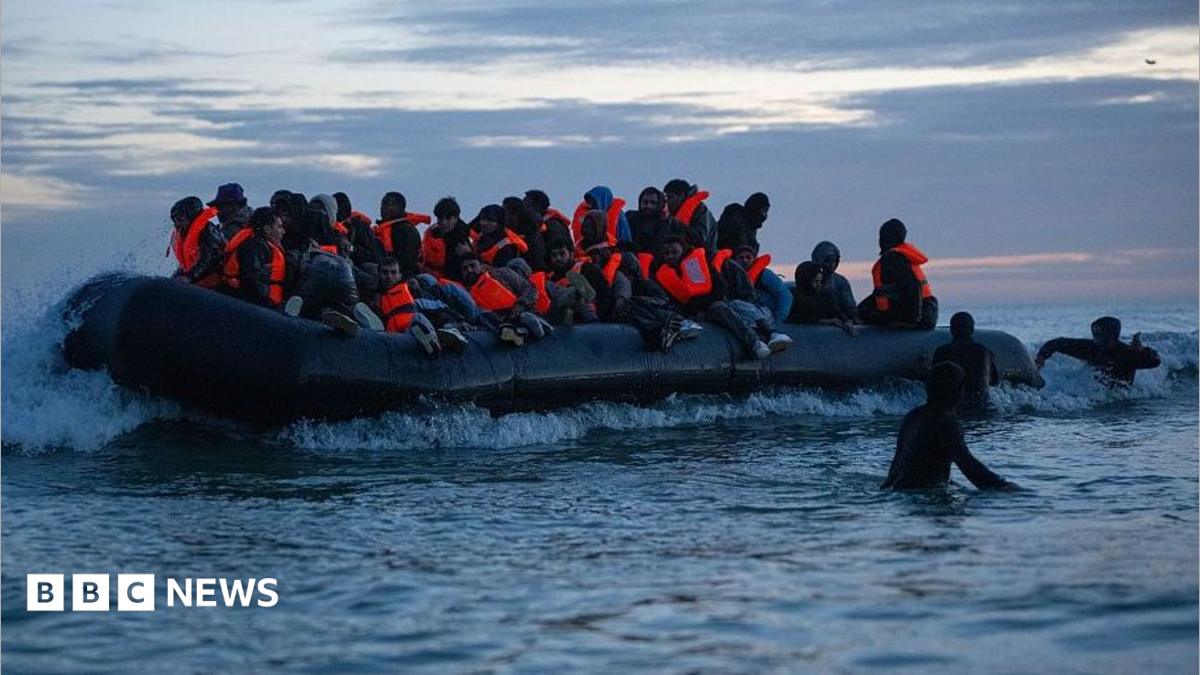
The bilateral migration framework established between London and Paris, colloquially termed the one-in, one-out scheme, has been formally dissolved following a mutual reassessment of operational efficacy and political viability. Implemented just over a year ago as an emergency stopgap to curb unauthorized maritime crossings across the English Channel, the mechanism was designed to facilitate the rapid return of intercepted asylum seekers to French territory in exchange for legally processed entries. However, structural implementation hurdles, legal challenges in domestic courts, and shifting political landscapes in both capitals ultimately rendered the pact unsustainable.
Since its inception, the initiative successfully processed the removal of approximately 1,500 individuals. Despite this volume, critics from both the British and French political establishments argued that the framework failed to stem the broader tide of illicit crossings operated by organized human trafficking syndicates. The collapse of the agreement marks a significant turning point in Anglo-French bilateral relations, stripping away a key diplomatic instrument intended to demonstrate cooperative border governance. As both nations return to drawing boards, the strategic stakes remain exceptionally high, with domestic electorates in both countries demanding demonstrable control over sovereign borders against a backdrop of persistent migratory pressures.
Global Trade & Economic Ripples
While migration policy primarily occupies the domain of internal security and human rights law, disruptions along the English Channel carry direct economic externalities for one of the world's busiest commercial arteries. The Dover-Calais corridor handles billions of pounds in cross-Channel freight, supporting integrated supply chains for European manufacturing, automotive components, and perishable agricultural commodities. Heightened security crackdowns, industrial actions, or political standoffs between London and Paris frequently result in severe freight bottlenecks at major ports.
Although the scrapping of the migration scheme does not immediately alter customs tariffs or trade agreements, it heightens regulatory friction and political posturing. Extended border checks, intensified lorry inspections, and potential retaliatory diplomatic postures can inadvertently delay JIT (just-in-time) supply chains. Multinational corporations and logistics operators dependent on seamless cross-border transit continue to monitor these geopolitical frictions closely, factoring potential border delays into their European distribution risk models and insurance premiums.
Related Intelligence: US Appeals Court Halts Historic Tennessee Execution of Christa Pike
International Reactions & Diplomatic Stances
International bodies, including the United Nations High Commissioner for Refugees (UNHCR), have maintained a watchful stance regarding the dissolution of the bilateral pact, reiterating calls for comprehensive, rights-compliant regional frameworks rather than fragmented bilateral returns. European Union officials in Brussels have emphasized that migration management requires a unified continental strategy rather than isolated bilateral bargains that risk shifting administrative burdens between neighboring states.
Within domestic political circles, opposition parties and independent policy institutes have offered sharply divergent interpretations of the failure. Conservative factions in the United Kingdom argue that the termination vindicates skepticism toward soft diplomatic accords, urging more coercive deterrent measures. Conversely, civil liberties organizations and human rights advocates in France and the UK express cautious relief, arguing that the scheme lacked robust judicial oversight and adequate protections for vulnerable asylum seekers.
Strategic Outlook & Future Scenarios
Looking ahead, the diplomatic fallout from the discarded agreement necessitates a fundamental recalibration of security cooperation between the United Kingdom and continental Europe. Upcoming bilateral summits will likely feature intense negotiations over alternative intelligence-sharing protocols, joint financial commitments for coastal surveillance, and targeted law enforcement operations to dismantle transnational smuggling networks operating across northern France.
Failure to establish a functional successor mechanism risks escalating political tensions at a time when both London and Paris face broader macroeconomic headwinds and populist political pressures. If maritime crossings surge in the absence of a structured bilateral framework, bilateral trade negotiations and broader European security partnerships could face collateral strain. Ultimately, the trajectory of Anglo-French relations will depend heavily on whether both governments can forge a pragmatic, multilateral security architecture that decouples border enforcement from broader geopolitical disputes.
Join Our Official WhatsApp Channel
Receive live commodity alerts, policy changes, and commercial intelligence directly on WhatsApp.