
Saudi Crown Prince Vows Uncompromising Security Stance Amid Houthi Escalation
Saudi Crown Prince Mohammed bin Salman has declared that the kingdom will firmly counter any security threats as Houthi forces continue a path of regional instability.
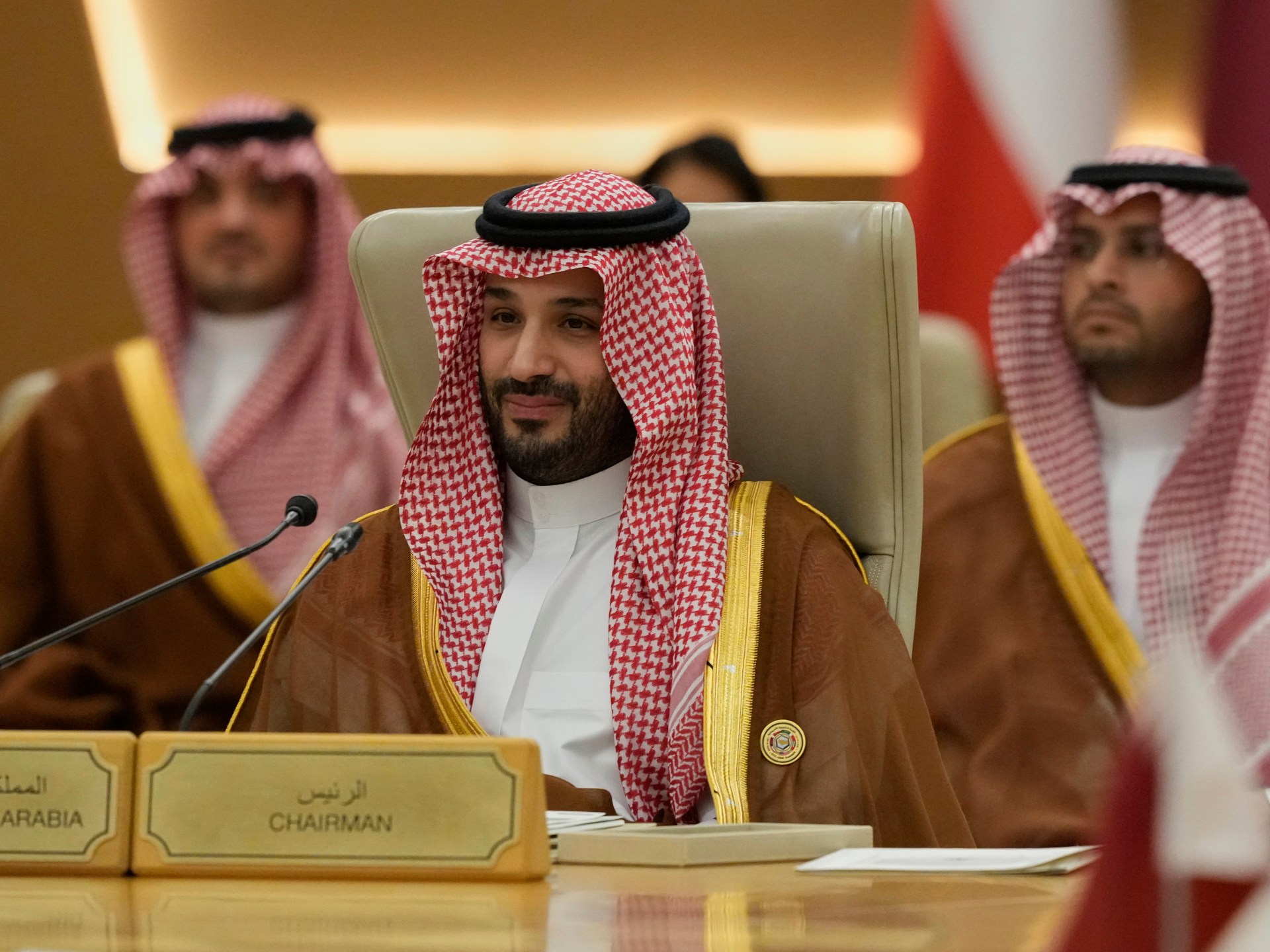
Geopolitical & Core Developments
In a decisive statement underscoring the fragile security architecture of the Arabian Peninsula, Saudi Arabia's Crown Prince Mohammed bin Salman has affirmed that the kingdom will not compromise on its national security. Addressing recent regional friction, the Crown Prince emphasized that Riyadh will not hesitate to respond with absolute firmness to any emerging threats. This hardline stance comes in direct response to the continued belligerence of Houthi forces in Yemen, whom the Saudi leadership accuses of choosing chaos over constructive political dialogue. Despite protracted diplomatic efforts by regional intermediaries to cement a lasting ceasefire, intermittent hostilities and strategic posturing continue to undermine peace initiatives. The Kingdom of Saudi Arabia remains locked in a complex geopolitical struggle, balancing its long-term strategic vision for domestic economic diversification under Vision 2030 with the immediate imperative of neutralizing cross-border security hazards. State actors and intelligence analysts note that while formal truce talks have yielded periods of relative calm, the fundamental divergence between Houthi military ambitions and regional stability frameworks leaves the diplomatic horizon fraught with peril.
Global Trade & Economic Ripples
The persistence of hostilities in Yemen and the broader Red Sea theater carries profound implications for global trade and international commerce. The Bab el-Mandeb strait, a vital maritime chokepoint connecting the Indian Ocean to the Suez Canal, remains exceptionally vulnerable to disruptions caused by regional instability. Any escalation in security threats directly impacts global energy markets, as significant volumes of crude oil and liquefied natural gas transit these waters daily. International shipping lines have had to absorb increased operational costs, higher insurance premiums, and extended transit times due to vessels rerouting around the African cape. For global commodity markets, these logistical bottlenecks introduce an enduring risk premium into pricing structures. Industrial economies heavily reliant on uninterrupted petroleum flows and manufactured goods from Asia face heightened inflationary pressures. Furthermore, currency values across emerging markets tied to energy trade remain sensitive to geopolitical shocks originating in the Middle East, amplifying broader macroeconomic volatility.
Related Intelligence: UK-France Migrant Deal Collapse Reshapes Channel Border Security
International Reactions & Diplomatic Stances
The international community has responded with cautious vigilance to the escalating rhetoric and persistent security challenges in the region. The United Nations has repeatedly urged all parties to exercise maximum restraint, warning that renewed military escalation could unravel fragile humanitarian gains and derail ongoing peace negotiations. Western capitals, deeply invested in maintaining freedom of navigation and secure energy supplies, have reiterated their commitment to Saudi Arabia's territorial defense while simultaneously pushing for a comprehensive, inclusive political settlement in Yemen. Multilateral bodies and regional organizations, including the Gulf Cooperation Council, have rallied behind Riyadh, condemning actions that threaten regional peace. Concurrently, major market analysts and geopolitical risk consultancies have adjusted their forecasting models, incorporating a higher probability of protracted low-intensity conflict that could periodically spike energy prices and disrupt supply chain resilience.
Strategic Outlook & Future Scenarios
Looking ahead, the trajectory of Saudi-Houthi relations and the broader security landscape of the Arabian Peninsula will depend heavily on the convergence of diplomatic pressure and military deterrence. Upcoming diplomatic summits and closed-door negotiations facilitated by regional powers will test the genuine willingness of all factions to compromise. However, should diplomatic channels stall, the risk of retaliatory kinetic strikes increases significantly, potentially drawing in external regional players and complicating the global geopolitical matrix. Sanctions enforcement, maritime security patrols, and intelligence-sharing mechanisms will remain critical tools for deterring aggression. For international corporations and commodity traders, navigating this volatile environment requires robust risk management strategies and diversified supply chain networks to withstand sudden geopolitical shocks.
Join Our Official WhatsApp Channel
Receive live commodity alerts, policy changes, and commercial intelligence directly on WhatsApp.