
Federal Government Weighs Khyber Pakhtunkhwa Emergency Amid Islamabad March Standoff
The federal government is seriously evaluating an emergency declaration in Khyber Pakhtunkhwa to halt PTI's planned October 4 Islamabad march, heightening national political and economic tensions.
The Core Development
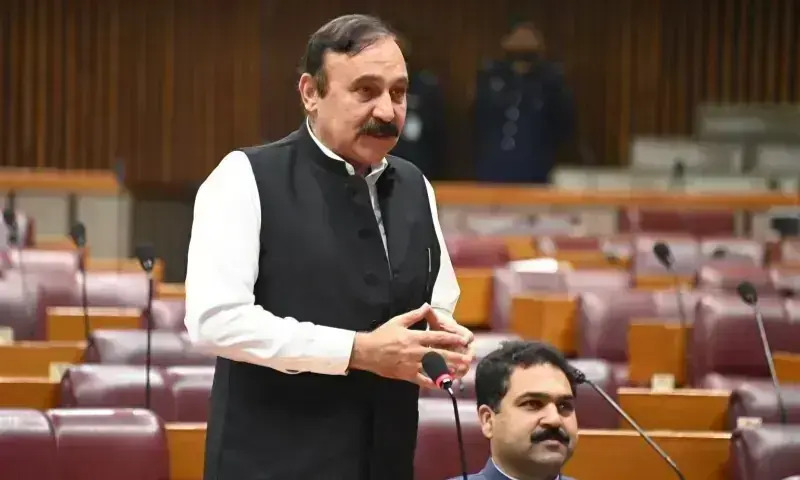
The political landscape of Pakistan faces a severe escalation as the federal administration weighs the imposition of a formal state of emergency or governor's rule in Khyber Pakhtunkhwa (KP). Parliamentary Affairs Minister Tariq Fazal Chaudhry confirmed that the central government is seriously evaluating constitutional mechanisms to preempt the provincial administration's aggressive posture. At the heart of this confrontation is the Pakistan Tehreek-e-Insaf (PTI) leadership's unwavering commitment to execute a high-stakes march toward Islamabad scheduled for October 4.
This demonstration, framed by the opposition as a nationwide push for the release of incarcerated founder Imran Khan, has triggered an intense jurisdictional tug-of-war between Peshawar and Islamabad. Federal ministers have issued explicit ultimatums, demanding that the KP provincial government retract its mobilization plans or face constitutional termination. The standoff has effectively paralyzed routine legislative business, substituting constructive policy dialogue with high-stakes brinkmanship that risks severe administrative disruption across the northwestern province.
Commercial & Economic Implications
For Kalyar Traders and the wider business community in Pakistan, persistent political instability translates directly into economic uncertainty. Khyber Pakhtunkhwa serves as a vital arterial corridor for domestic wholesale distribution, cross-border trade with Central Asia, and regional retail supply chains. The looming threat of an emergency declaration, coupled with anticipated road closures, containerized blockades, and transport strikes during the October 4 march, threatens to severely constrict commercial traffic.
Inflationary pressures remain a primary concern for local markets. Supply chain bottlenecks caused by inter-provincial disruptions typically trigger immediate spikes in perishable food prices, fuel distribution delays, and industrial raw material shortages. Wholesale distributors report cautious inventory management as merchants hold back capital amid fears of widespread civil unrest, property damage, and prolonged market closures. Furthermore, foreign direct investment and domestic business expansion plans remain on hold as corporate stakeholders adopt a wait-and-see stance regarding structural governance stability.
Related Intelligence: Pakistan Faces Economic Paralysis as Political Showdown Threatens Markets
Stakeholder Perspectives & Market Reactions
Business councils, chambers of commerce, and trader associations have expressed deep dismay over the deteriorating political climate, emphasizing that economic recovery remains fragile and highly sensitive to domestic stability. Representatives from major trade bodies have appealed to both federal authorities and provincial leadership to prioritize economic continuity over partisan conflict, warning that extended gridlock damages consumer confidence and stalls commercial activity.
Legal experts note that invoking Article 232 or imposing governor's rule under Article 234 of the Constitution involves complex legal thresholds that could invite prolonged judicial challenges in the superior courts. Meanwhile, official statements from federal cabinet members maintain that the state holds a constitutional duty to protect public infrastructure, maintain law and order, and prevent unauthorized disruptions in the federal capital. Conversely, KP Chief Minister and provincial ministers remain defiant, dismissing central threats as unconstitutional coercion designed to suppress legitimate political expression.
Forward Outlook & Key Watchpoints
Rhetoric from both sides indicates a narrowing window for negotiated compromise ahead of the October 4 deadline. Key indicators to monitor over the coming days include emergency cabinet sessions in Islamabad, administrative deployments along provincial boundaries, and judicial interventions addressing the legality of threatened measures.
For enterprise risk management and supply chain planning, businesses must maintain contingency protocols against sudden transport suspensions and urban disruptions. Should the federal government proceed with structural intervention in KP, markets can anticipate heightened volatility, persistent regulatory friction, and renewed financial caution across national trading networks.
Join Our Official WhatsApp Channel
Receive live commodity alerts, policy changes, and commercial intelligence directly on WhatsApp.