
US Fed Watchdog Clears Powell Over Renovation Costs Amid Political Pressure
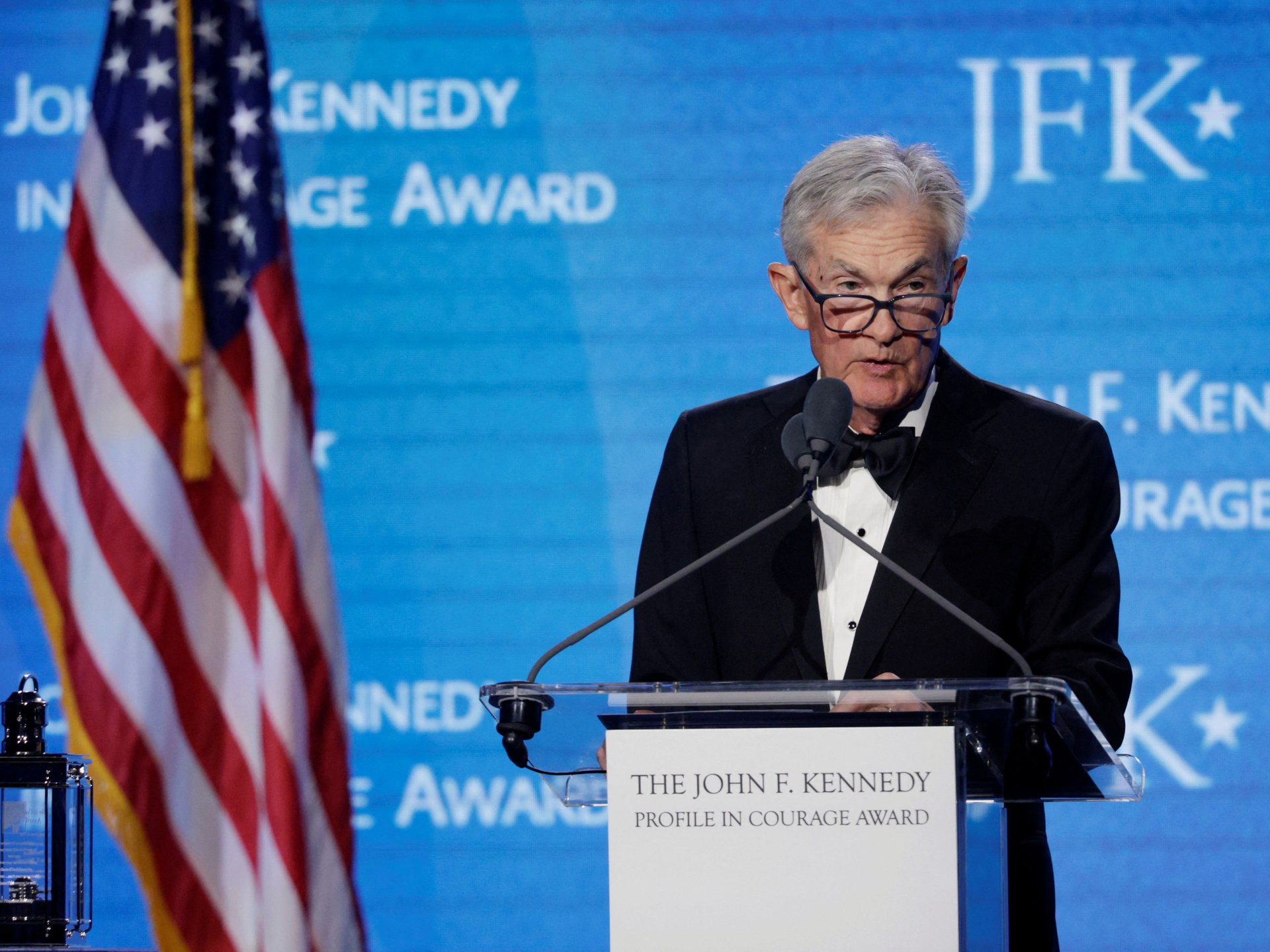
An official US Federal Reserve watchdog investigation has cleared former Chair Jerome Powell of criminal wrongdoing regarding headquarters renovation costs, concluding a politically charged probe driven by the Trump administration.
Geopolitical & Core Developments
A comprehensive internal investigation conducted by the Federal Reserve's Office of Inspector General has concluded that no criminal wrongdoing or intentional fiscal malfeasance occurred during the multi-million-dollar renovation of the central bank's Washington headquarters. The probe, which became a focal point of sustained political friction, originated from intense pressure campaigns orchestrated by former President Donald Trump and his political allies aimed at scrutinizing the administrative expenditures under then-Chair Jerome Powell. The renovation project, initiated to modernize aging federal infrastructure and remediate critical asbestos and structural deficiencies, faced granular scrutiny over budget overruns and procurement transparency. However, the exhaustive investigative report clarified that while administrative missteps and bureaucratic delays occurred, no evidence emerged linking leadership to fraudulent activity or willful misuse of public funds. This outcome preserves the institutional integrity of the world's most influential central bank during a sensitive transition period characterized by domestic political polarization and shifting fiscal priorities.
Global Trade & Economic Ripples
While the investigation's focus remained primarily on domestic administrative governance, the resolution of this high-profile inquiry carries significant implications for global commodity markets and international currency valuations. Central bank independence remains a foundational pillar for maintaining investor confidence in US dollar stability, sovereign debt markets, and global liquidity pools. Unresolved legal or criminal clouds hanging over Federal Reserve leadership could have triggered unnecessary volatility in foreign exchange markets, sovereign bond yields, and emerging market capital flows. By dispelling allegations of criminal misconduct, international institutional investors and sovereign wealth funds gain renewed assurance regarding the predictability and rule-based framework governing US monetary policy. Stability at the helm of the Federal Reserve directly influences international trade financing costs, commodity pricing benchmarks denominated in US dollars, and cross-border capital allocations across developed and developing economies alike.
Related Intelligence: Pakistan Cuts Fuel Prices Marginally Amid Stabilizing Global Markets
International Reactions & Diplomatic Stances
Global financial capitals and multilateral financial institutions closely monitored the investigation, viewing it as a critical stress test for the resilience of American democratic and regulatory institutions. Representatives from international economic bodies, including the International Monetary Fund and the Bank for International Settlements, emphasized the paramount importance of safeguarding central bank autonomy from short-term political interference. Market analysts across London, Frankfurt, and Tokyo noted that while political friction between executive branches and independent monetary authorities is not unprecedented, the formal clearance of leadership shields the global financial architecture from prolonged institutional paralysis. Foreign diplomatic corps interpreted the Inspector General's findings as a reaffirmation of the checks and balances inherent in the US regulatory framework, mitigating concerns that monetary policy could be co-opted or destabilized by partisan domestic agendas.
Strategic Outlook & Future Scenarios
Looking ahead, the clearance of the Federal Reserve leadership removes a major political distraction, allowing policymakers to pivot fully toward navigating complex global economic headwinds, including persistent inflation dynamics, geopolitical trade fragmentation, and sovereign debt vulnerabilities. Nevertheless, structural tensions between executive political ambitions and independent monetary institutions are expected to persist as central banks worldwide grapple with complex interest rate trajectories. Upcoming legislative hearings and international economic summits will likely focus on strengthening institutional guardrails to protect central bank governance from escalating political polarization. For global markets, this resolution establishes a baseline of regulatory continuity, ensuring that future monetary policy decisions will be dictated by macroeconomic indicators rather than external political coercion.
Join Our Official WhatsApp Channel
Receive live commodity alerts, policy changes, and commercial intelligence directly on WhatsApp.