
Ethiopian Conflict Escalation Threatens Horn of Africa Stability and Trade
Renewed and escalating military conflict in Ethiopia's Tigray region has caused dozens of civilian casualties and threatens regional stability, raising concerns across international commodity markets.
Geopolitical & Core Developments
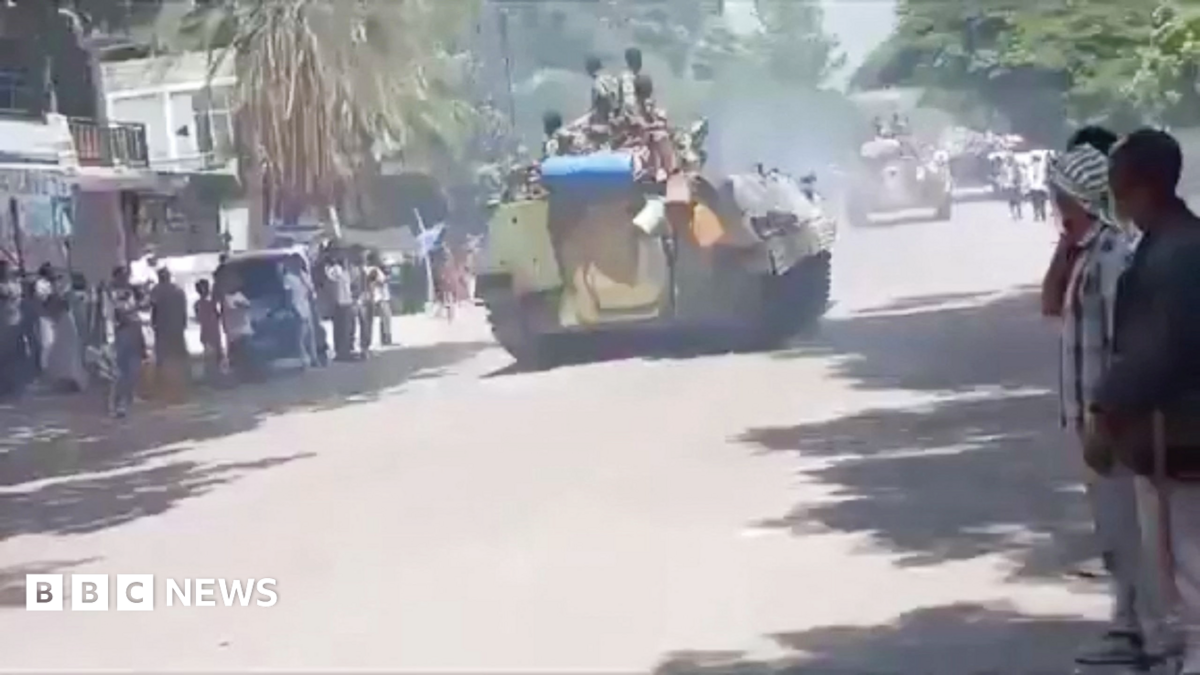
The resumption of intense armed conflict in Ethiopia's northern Tigray region and its spillover into neighboring administrative zones marks a dangerous deterioration in a protracted domestic crisis. According to medical personnel and local reports corroborated by international broadcasters, recent artillery barrages and ground engagements have left at least 52 civilians dead, with casualties mounting as fighting spreads toward strategically vital areas, including the historic town of Lalibela, where international tourists have been left stranded.
The conflict, pitting federal forces and allied regional militias against Tigrayan fighters, has shattered a fragile humanitarian truce that had briefly allowed vital aid deliveries into the famine-threatened region. The geographic expansion of hostilities beyond Tigray proper into Afar and Amhara underscores the widening scope of the instability, complicating military assessments and compounding the governance crisis facing Prime Minister Abiy Ahmed's administration. Strategic stakes remain extraordinarily high, as the fragmentation of Africa's second-most populous nation risks igniting broader ethnic conflicts across the volatile Horn of Africa, drawing in regional proxies and challenging the authority of federal institutions.
Global Trade & Economic Ripples
While the immediate human cost remains the primary focus, the macroeconomic and commercial fallout of the escalating conflict extends far beyond Ethiopia's borders. The Horn of Africa is a critical geopolitical linchpin flanking the Bab el-Mandeb strait, one of the world's most vital maritime choke points connecting the Indian Ocean to the Red Sea and the Suez Canal. Persistent instability in Ethiopia threatens to destabilize neighboring transit corridors, potentially jeopardizing regional logistics networks utilized for agricultural exports, coffee trade, and vital import supply chains.
Furthermore, Ethiopia's domestic economic distress—marked by soaring inflation, foreign exchange shortages, and strained public finances—is being exacerbated by diverting state resources toward military expenditures rather than infrastructure and development. International commodity markets are monitoring the situation closely, particularly regarding regional agricultural yields and the security of transport infrastructure linking landlocked Ethiopia to key ports in neighboring Djibouti. Any prolonged disruption to these trade arteries risks driving up regional commodity premiums and compounding global supply chain vulnerabilities at a time of heightened macroeconomic fragility.
Related Intelligence: Lahore Court Grants Remand in High-Profile Foreign National Rape Case
International Reactions & Diplomatic Stances
Global capitals and multilateral organizations have responded to the renewed bloodshed with profound alarm. The United Nations has issued urgent appeals for an immediate cessation of hostilities, emphasizing that the obstruction of humanitarian aid into Tigray constitutes a severe violation of international humanitarian law. UN Secretary-General officials have underscored the imperative of protecting civilian populations and establishing secure humanitarian corridors without delay.
Western governments, including the United States and European Union member states, have reiterated calls for a negotiated political settlement, warning that continued military escalation could trigger targeted economic sanctions and a complete suspension of non-humanitarian financial assistance. Regional bodies, notably the African Union, are intensifying behind-the-scenes diplomatic efforts to bring belligerent parties back to the negotiating table. However, deep-seated mistrust between Addis Ababa and Tigrayan leadership continues to obstruct mediation frameworks, leaving international partners frustrated by the lack of tangible diplomatic traction.
Strategic Outlook & Future Scenarios
Looking ahead, the trajectory of the Ethiopian conflict remains precariously poised between protracted low-intensity insurgency and catastrophic all-out regional war. The failure of recent diplomatic initiatives suggests that military actors on both sides currently perceive battlefield gains as superior to political compromise. In the near term, analysts anticipate heightened security risks for foreign nationals, leading to further embassy drawdowns and travel advisories for the wider region.
For international markets and geopolitical strategists, the key variables to monitor include the potential imposition of Western diplomatic sanctions, the security status of Red Sea trade routes adjacent to the conflict zone, and the risk of refugee outflows destabilizing neighboring states such as Sudan and Kenya. Without a decisive, coordinated international intervention backed by credible economic leverage, the Horn of Africa faces a prolonged period of strategic volatility that will continue to exact a heavy humanitarian toll and disrupt regional economic integration.
Join Our Official WhatsApp Channel
Receive live commodity alerts, policy changes, and commercial intelligence directly on WhatsApp.