
Pakistan Cuts Fuel Prices Amid Persistent Tax Levies
The Pakistani government has announced minor reductions in petrol and high-speed diesel prices, though heavy taxation structures remain firmly in place.
The Core Development
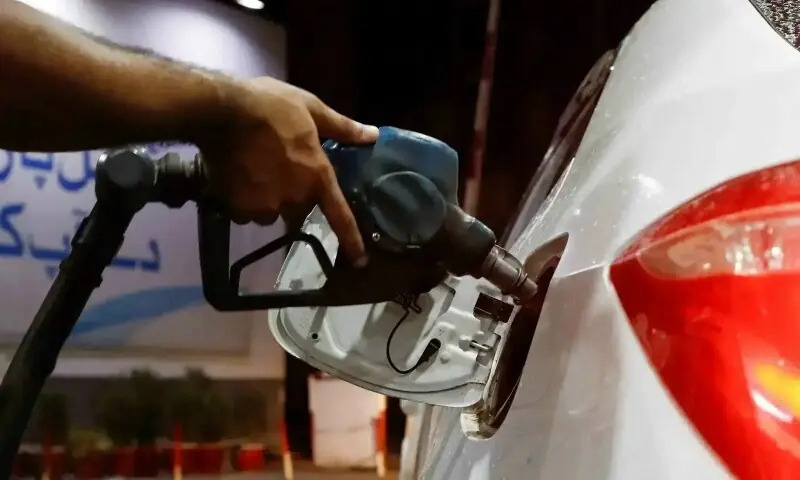
In a notification issued by the Petroleum Division, the Government of Pakistan announced a marginal downward adjustment in petroleum product prices, effective Thursday, September 24. Under the revised schedule, the price of petrol has been reduced by Rs1.93 per litre, bringing the new retail price to Rs390.12 per litre. Concurrently, high-speed diesel (HSD) saw a more pronounced decrease of Rs4.21 per litre, setting its new benchmark at Rs414.75 per litre.
This adjustment follows a volatile period in domestic energy markets. Earlier in the year, energy prices skyrocketed in the wake of geopolitical disruptions, notably following the outbreak of the US-Iran conflict on February 28. At that juncture, HSD surged from a baseline of Rs281 per litre to peak at an unprecedented Rs520.35 on April 3. Similarly, petrol climbed dramatically from earlier baselines to touch a peak of Rs458.41 per litre on the same date. While global commodity corrections have since eased supply pressures, domestic relief remains tightly managed by fiscal authorities through extensive revenue collection mechanisms.
Commercial & Economic Implications
Despite the recent downward revisions, the broader economic landscape for wholesale distribution and retail trade remains strained. A critical driver of sustained high retail costs is the government's aggressive taxation policy. The state continues to levy heavy duties, maintaining Rs114 per litre on petrol and Rs100 per litre on diesel. These fixed levies constitute a massive proportion of the final pump price, blunting the impact of international oil market corrections on the domestic consumer.
For Pakistan's commercial sector, these elevated fuel costs translate directly into persistent inflationary pressures. Transport and logistics providers, who rely heavily on HSD, continue to operate under high overhead burdens. This trickles down to wholesale distribution networks, driving up the cost of moving goods across provinces and ultimately inflating retail prices for essential commodities. Small and medium-sized enterprises, manufacturing units, and agricultural producers dependent on diesel-powered generators or transport fleets find little structural relief in minor per-litre cuts, as input costs remain structurally elevated.
Related Intelligence: Iran Rejects US Threats at UN as Energy Markets Brace for Volatility
Stakeholder Perspectives & Market Reactions
Business and trade bodies, including representatives from Kalyar Traders and various nationwide transport associations, have expressed cautious sentiments regarding the latest price review. While any reduction is welcomed in a high-cost operating environment, industry stakeholders argue that the nominal cuts do not go far enough to stimulate sluggish domestic demand.
Economic analysts point out that the government's heavy reliance on petroleum levies is a primary instrument for meeting fiscal deficit targets agreed upon with international financial institutions. Consequently, consumer advocacy groups and trade unions continue to lobby for a rationalization of petroleum taxation, asserting that excessive state take at the retail pump severely dampens industrial competitiveness and consumer purchasing power.
Forward Outlook & Key Watchpoints
Looking ahead, domestic petroleum pricing will remain strictly tethered to international crude benchmarks and foreign exchange rate stability. Market watchers will closely monitor the fortnightly review mechanism employed by the Petroleum Division to gauge whether further downward trends in global oil markets will translate into more substantial domestic price relief.
Key policy watchpoints include potential adjustments to the Petroleum Development Levy (PDL) and general sales tax applications in upcoming fiscal reviews. If global prices stabilize or decline further, pressure will mount on policymakers to pass on more meaningful relief to commercial enterprises and retail consumers to support broader macroeconomic recovery.
Join Our Official WhatsApp Channel
Receive live commodity alerts, policy changes, and commercial intelligence directly on WhatsApp.