
US Conditions Cuba Talks on Regime Change Following UN Clash
Washington conditions potential diplomatic talks with Havana on comprehensive regime change, escalating geopolitical tensions following a contentious exchange at the United Nations.
Geopolitical & Core Developments
The diplomatic chasm between Washington and Havana has deepened significantly following recent high-level statements from senior United States officials conditioning any future bilateral dialogue on fundamental internal political reforms within the Caribbean island nation. The official policy clarification arrived in the wake of sharp rhetorical exchanges at the United Nations General Assembly, where the administration explicitly categorized Cuba as a failing state. This characterization triggered an immediate walkout by the Cuban diplomatic delegation, signaling a total breakdown of communicative norms on the multilateral stage and underscoring the rigid ideological boundaries currently governing United States foreign policy in the Western Hemisphere.
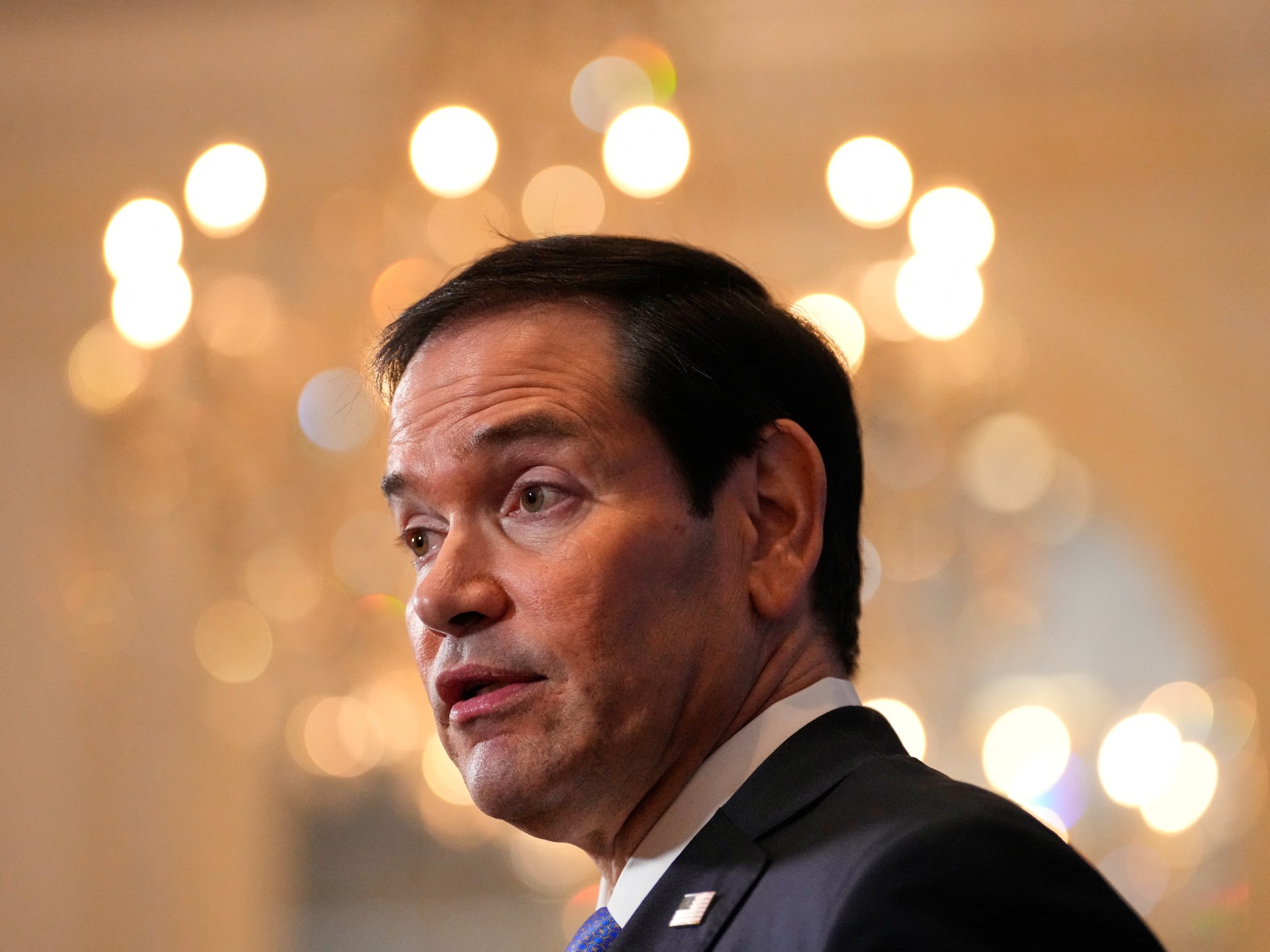
Senator Marco Rubio elaborated on the administration's posture, emphasizing that Washington holds no appetite for conventional diplomatic normalization absent a verifiable transition toward democratic governance and structural economic liberation within Cuba. The strategic stakes for Havana remain exceptionally high, as the island continues to grapple with severe systemic shortages, mounting public discontent, and chronic infrastructural decay. By tying diplomatic engagement directly to internal regime transformation, Washington has effectively closed the door on incremental rapprochement, opting instead for a continuation of maximum pressure tactics that have defined bilateral relations for decades.
Global Trade & Economic Ripples
The hardening of United States diplomatic stances carries profound implications for global trade networks, regional maritime logistics, and Caribbean commodity markets. Cuba's heavy reliance on imported energy, particularly crude oil shipments from aligned regional partners, remains highly vulnerable to intensified enforcement of United States secondary sanctions and maritime surveillance operations. International shipping firms and charter operators navigating the Windward Passage and broader Caribbean trade lanes face heightened compliance burdens and insurance premiums as the regulatory environment surrounding Cuban commerce tightens.
Furthermore, the persistent denial of access to United States financial clearing systems and international capital markets severely constrains Cuba's ability to settle transactions for vital agricultural commodities, medical supplies, and industrial inputs. Global commodity traders operating in Latin America must carefully navigate strict compliance frameworks to avoid triggering extraterritorial penalties, effectively isolating the Cuban economy from mainstream multilateral trade flows. This commercial constriction ripples through regional supply chains, altering traditional shipping routes and suppressing foreign direct investment across the wider Caribbean basin.
Related Intelligence: UN General Assembly Rises as Security Council Paralysis Redraws Global Diplomacy
International Reactions & Diplomatic Stances
The confrontation at the United Nations has elicited a polarized response from the international community. Traditional allies of Havana, alongside various Latin American and Caribbean multilateral bodies, have voiced strong opposition to Washington's hardline stance, reiterating longstanding calls for the immediate lifting of the United States trade embargo. These organizations argue that economic coercion disproportionately harms the civilian population while failing to achieve its stated political objectives.
Conversely, international market analysts and risk intelligence firms note that the reiteration of strict conditionality reassures domestic constituencies in the United States that foreign policy toward authoritarian regimes in the region remains unyielding. Multilateral financial institutions continue to monitor the situation closely, observing that the lack of engagement between Washington and Havana dampens prospects for broader structural economic reforms that could otherwise stabilize the wider Caribbean economic corridor and integrate isolated markets into global value chains.
Strategic Outlook & Future Scenarios
Looking ahead, the trajectory of United States-Cuba relations points toward prolonged diplomatic stagnation and heightened geopolitical friction. With Washington firmly committed to a regime-change prerequisite for bilateral talks, upcoming regional summits and international forums are likely to witness renewed ideological clashes over sovereignty, sanctions, and human rights. The absence of formal diplomatic channels increases the risk of miscalculation during maritime or migration-related incidents in the Florida Straits.
Sanctions enforcement is expected to remain stringent, with little prospect of trade relaxation or debt relief for Havana in the foreseeable future. For global commercial operators, the strategic outlook necessitates continued risk mitigation, strict adherence to United States sanctions compliance, and the exclusion of the Cuban market from core business expansion models. As long as the current political stalemate persists, Cuba's integration into global trade networks will remain stifled by geopolitical imperatives.
Join Our Official WhatsApp Channel
Receive live commodity alerts, policy changes, and commercial intelligence directly on WhatsApp.