
White House Press Pool Ban Triggers Global Media Freedom Concerns
The White House restricted major news outlets from its press pool following presidential complaints over coverage, raising international concerns about press freedom and institutional transparency.
Geopolitical & Core Developments
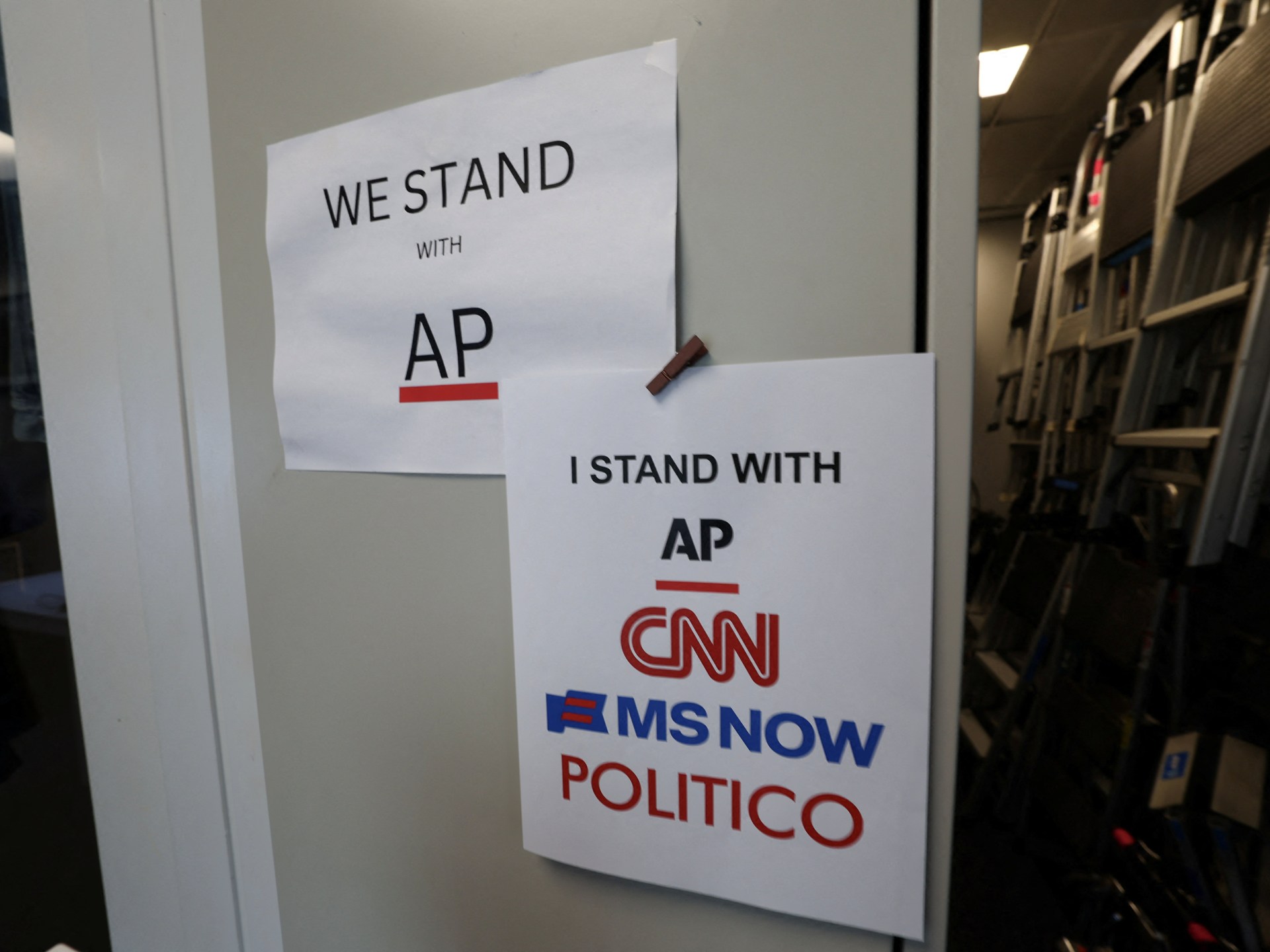
The decision by the White House to bar reporters from CNN, MS NOW, and Politico from a restricted press pool marks a significant escalation in tensions between the executive branch and major news organizations. US President Donald Trump ordered the exclusion following repeated public complaints regarding the tone and accuracy of their reporting. This administrative maneuver directly impacts how information flows from the seat of American executive power to domestic and international audiences. Historically, the White House press pool serves as a vital conduit ensuring continuous public oversight of the presidency. By selectively curtailing access for specific outlets, the administration has ignited a fierce debate over executive authority, First Amendment protections, and the boundaries of government oversight in a democratic society. Constitutional scholars and press advocacy groups argue that punitive exclusion based on editorial perspective sets a dangerous precedent for institutional accountability. Meanwhile, administration officials defend the move as a necessary adjustment to what they characterize as partisan reporting and biased framing of executive policy initiatives.
Global Trade & Economic Ripples
While press credentialing disputes are primarily domestic political matters, modern global markets react instantaneously to perceptions of institutional stability and policy predictability within the United States. International commodity traders, currency desks, and equity investors rely heavily on unhindered, transparent reporting from Washington to gauge policy shifts regarding trade tariffs, regulatory changes, and fiscal interventions. When access to primary executive announcements becomes fractured or politicized, informational asymmetry increases. Foreign exchange markets and energy trading floors experienced subtle jitters as international desks processed the implications of restricted media access on key policy announcements, such as impending trade measures and bilateral sanctions. In an interconnected global economy where macroeconomic sentiment is heavily influenced by real-time political intelligence, any perceived degradation of open channels between the government and the press introduces an element of volatility. Institutional investors continuously monitor the reliability of information coming out of Washington, recognizing that transparent governance underpins the stability of the US dollar and global debt markets.
Related Intelligence: Yemeni Government Launches Dual Military and Diplomatic Push Against Houthi Forces
International Reactions & Diplomatic Stances
The White House press pool restrictions quickly resonated across international capitals, prompting responses from foreign governments, press freedom watchdogs, and multilateral organizations. European diplomatic missions expressed concern over the potential erosion of democratic norms within traditional Western leadership structures. Organizations such as Reporters Without Borders and the Committee to Protect Journalists issued stern reprimands, noting that actions targeting specific news organizations mirror tactics more commonly observed in authoritarian regimes rather than established democracies. Foreign ministries in allied nations are quietly assessing how this breakdown in executive-press relations might influence broader US foreign policy consistency and diplomatic messaging. International allies depend on an open American media landscape to independently verify and contextualize White House pronouncements on critical global security and trade matters. The growing friction between the administration and the press corps complicates the diplomatic efforts of foreign envoys stationed in Washington, who must navigate an increasingly polarized information ecosystem.
Strategic Outlook & Future Scenarios
As this standoff evolves, the trajectory of US media relations points toward prolonged legal and political battles. Affected news organizations are exploring constitutional challenges and coordinated responses to protect access rights, while the administration shows little inclination to reverse its exclusionary stance. This ongoing conflict threatens to institutionalize a fractured media environment where information dissemination is dictated by political alignment rather than professional journalistic standards. For international observers, upcoming political summits and major policy rollouts will serve as critical tests of whether restricted press pools become a permanent fixture of executive communications. If unchecked, this trend could accelerate a broader global decline in press freedoms, emboldening foreign leaders who seek to justify their own crackdowns on independent journalism by pointing to precedents set in Washington. Global markets and diplomatic entities must prepare for an era where traditional informational guardrails are increasingly bypassed, altering the landscape of international political analysis.
Join Our Official WhatsApp Channel
Receive live commodity alerts, policy changes, and commercial intelligence directly on WhatsApp.