
Iran Rejects US Threats at UN as Energy Markets Brace for Volatility
Iranian President Masoud Pezeshkian delivered a defiant UN address rejecting US threats, triggering immediate anxiety across global energy markets and international shipping corridors.
Geopolitical & Core Developments
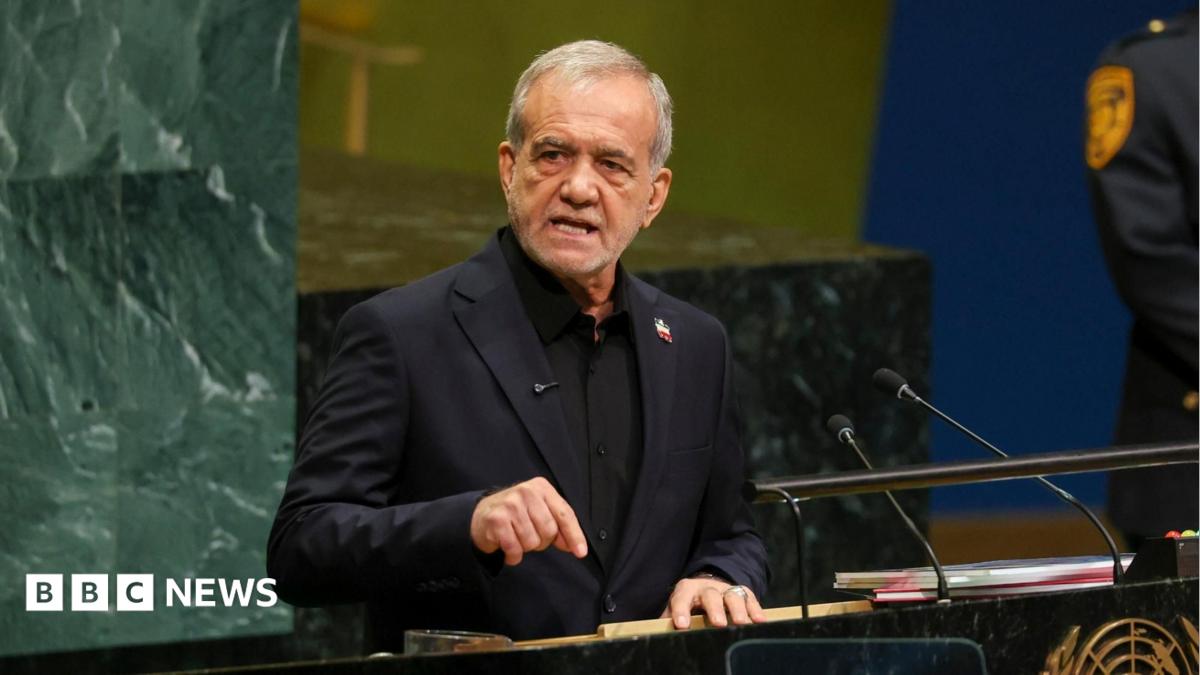
Tensions between Washington and Tehran reached a dangerous new crescendo as Iranian President Masoud Pezeshkian delivered a fiery address from the podium of the United Nations General Assembly. Rejecting an ultimatum issued by United States leadership, Pezeshkian declared that the Islamic Republic would never bend the knee to external coercion or unilateral demands. This high-stakes diplomatic confrontation erupted after the US administration threatened to completely annihilate Iran's economic and military infrastructure unless a comprehensive regional peace and nuclear agreement is finalized on accelerated terms.
The rhetoric marks a distinct hardening of positions within the Iranian executive branch. Analysts note that hardline factions in Tehran have consolidated their influence following months of covert clashes and regional proxy escalations. Pezeshkian framed his nation's stance as a defense of national sovereignty against what he termed imperialist bullying, effectively closing the diplomatic window for a quick, negotiated settlement under the terms currently tabled by Western capitals. The UN diplomatic corps has expressed deep alarm over the breakdown in back-channel communications, warning that miscalculations along sensitive maritime borders could trigger a broader regional conflagration.
Global Trade & Economic Ripples
The immediate fallout from the UN standoff reverberated forcefully through international commodity complexes, most notably in global crude oil and liquefied natural gas markets. Benchmark Brent and West Texas Intermediate futures surged in early trading sessions as commodities traders priced in a substantially elevated risk premium. The core concern centers on the security of the Strait of Hormuz, a critical maritime chokepoint through which approximately one-fifth of the world's petroleum consumption passes daily.
Shipping conglomerates and marine insurers have begun reassessing transit routes through the Persian Gulf, with several major carriers warning of impending freight rate surcharges and potential voyage rerouting. Any kinetic disruption in these vital shipping lanes would instantly strangle petroleum flows, driving global energy inflation and cascading into manufacturing, petrochemical, and agricultural supply chains worldwide. Furthermore, currency markets reacted with a flight to safety, strengthening the US dollar while pressuring emerging market currencies heavily reliant on imported energy commodities.
Related Intelligence: Iran Refuses Surrender After Trump Annihilation Threat at UN
International Reactions & Diplomatic Stances
The international community responded to the escalating war of words with a mix of apprehension and urgent appeals for de-escalation. United Nations Secretary-General António Guterres issued an emergency statement urging both Washington and Tehran to step back from the brink, emphasizing that diplomacy remains the sole viable pathway to durable regional stability. European Union foreign policy representatives echoed these sentiments, expressing grave concern over the potential collapse of non-proliferation frameworks and calling for an immediate resumption of moderated dialogue.
Meanwhile, major economic powers dependent on Middle Eastern resource flows, including China and India, signaled quiet unease over the prospect of prolonged supply disruptions. Energy market analysts surveyed by global financial institutions warn that current pricing models are dangerously underestimating the probability of physical supply shocks. Financial regulators in key jurisdictions have placed commodity trading desks on heightened alert for speculative volatility and systemic credit stress should geopolitical risk transform into active maritime interdiction.
Strategic Outlook & Future Scenarios
Looking ahead, the trajectory of US-Iran relations points toward a prolonged period of high-intensity economic warfare and diplomatic frostiness. With Washington expected to tighten secondary sanctions on Iranian petroleum exports and international financial networks, Tehran is likely to deepen its strategic economic alignments with alternative trading blocs. Upcoming ministerial summits within the Shanghai Cooperation Organisation and OPEC+ will serve as critical barometers for how far major producers are willing to insulate global trade from Western-led enforcement mechanisms.
In the medium term, the risk of asymmetric retaliation in cyberspace or through regional proxies remains acute. Unless neutral intermediaries can successfully bridge the vast chasm between Washington's ultimatum-based diplomacy and Tehran's insistence on unconditional sovereignty, global commodity markets must prepare for a protracted era of heightened geopolitical fragility and structural energy price volatility.
Join Our Official WhatsApp Channel
Receive live commodity alerts, policy changes, and commercial intelligence directly on WhatsApp.