
Pakistan Cricket Faces Strategic Rebuild Ahead of 2027 World Cup Cycle
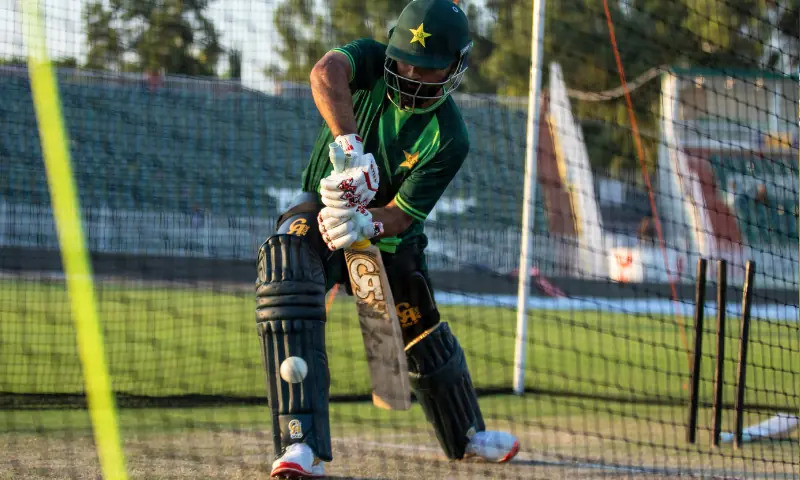
Pakistan veteran batter Fakhar Zaman has set his sights on the 2027 ICC World Cup, framing the tournament as a definitive final campaign for an influential generation of national cricketers.
The Core Development
Veteran opening batter Fakhar Zaman has outlined a definitive career roadmap, targeting the 2027 International Cricket Council (ICC) Men's Cricket World Cup as his final major opportunity to capture global silverware for Pakistan. The tournament, co-hosted across South Africa, Zimbabwe, and Namibia, will coincide with Fakhar turning 37 years of age, marking the natural twilight of an international career that has spanned pivotal eras of Pakistan cricket.
The Mardan-born left-hander remains a central figure in modern domestic sports history, largely defined by his match-winning century against arch-rivals India during the 2017 ICC Champions Trophy final in London. That tournament secured Pakistan its last senior ICC trophy. The subsequent seven years have delivered a combination of missed opportunities, including deep runs to semi-finals and finals in the 2021 and 2022 T20 World Cups, followed by precipitous group-stage exits in more recent 50-over and 20-over campaigns. For core team members including Babar Azam, Shaheen Shah Afridi, and Fakhar, the 2027 cycle represents an existential deadline to transition from individual stardom into sustained tournament-winning legacy.
Commercial & Economic Implications
The trajectory of Pakistan's elite cricket apparatus exerts a disproportionate influence on the country's domestic sports economy, corporate sponsorship ecosystem, and downstream retail trade. In Pakistan, cricket represents an estimated multi-billion-rupee commercial sector encompassing broadcasting rights, jersey manufacturing, fast-moving consumer goods (FMCG) brand partnerships, and hospitality revenues.
During high-stakes tournament cycles, major retail chains and wholesale distribution hubs report measurable upticks in consumer electronics sales, specifically television sets and mobile streaming accessories. Sustained team underperformance across consecutive international tournaments has begun to compress corporate advertising spend. Multinational brands and leading domestic conglomerates, facing broader macroeconomic headwinds and elevated borrowing costs, have grown increasingly selective, seeking guaranteed visibility and deep tournament runs to justify multi-million-dollar endorsement contracts. Conversely, an invigorated campaign led by recognizable senior assets generates measurable demand surges for sports apparel manufacturers, local viewing venues, and digital platform subscriptions.
Related Intelligence: South Africa Uncovers Abuse at Unregistered Rehabilitation Facility
Stakeholder Perspectives & Market Reactions
Commercial media buyers and sports marketing executives emphasize that player brand equity requires international trophies rather than isolated statistical milestones. Industry analysts point out that the commercial value of Pakistan Cricket Board (PCB) central contracts and commercial asset sales fluctuates directly with public sentiment and tournament progression.
Former board administrators and cricket analysts note that retaining senior players into their late thirties requires meticulous workload management and physical conditioning benchmarks. The selection committee and coaching staff face persistent trade-offs between phasing in youthful talent from the domestic circuit and relying on proven match-winners with institutional memory of international high-pressure environments. Public response remains ambivalent, characterized by deep respect for the 2017 generation balanced against growing impatience over persistent strategic failures in multinational tournaments.
Forward Outlook & Key Watchpoints
The immediate three-year runway to 2027 involves critical performance indicators across multiple ICC events and bilateral series. Key watchpoints include Fakhar Zaman's tactical adaptability against evolving fast-bowling protocols, his retention across distinct format squads, and the PCB's strategic squad rejuvenation metrics.
Market participants will monitor the negotiation rounds for future domestic and international broadcast rights tenders, which will be heavily informed by the national side's competitiveness. If the veteran core manages to orchestrate a competitive renaissance, corporate participation and retail-linked marketing outlays are anticipated to rebound sharply across urban commercial centers in Lahore, Karachi, and Islamabad.
Join Our Official WhatsApp Channel
Receive live commodity alerts, policy changes, and commercial intelligence directly on WhatsApp.