
South Africa Uncovers Abuse at Unregistered Rehabilitation Facility
South African law enforcement dismantled an unlicensed addiction facility where 200 patients suffered severe maltreatment, exposing systemic vulnerabilities in the nation's public welfare and healthcare oversight.
Geopolitical & Core Developments
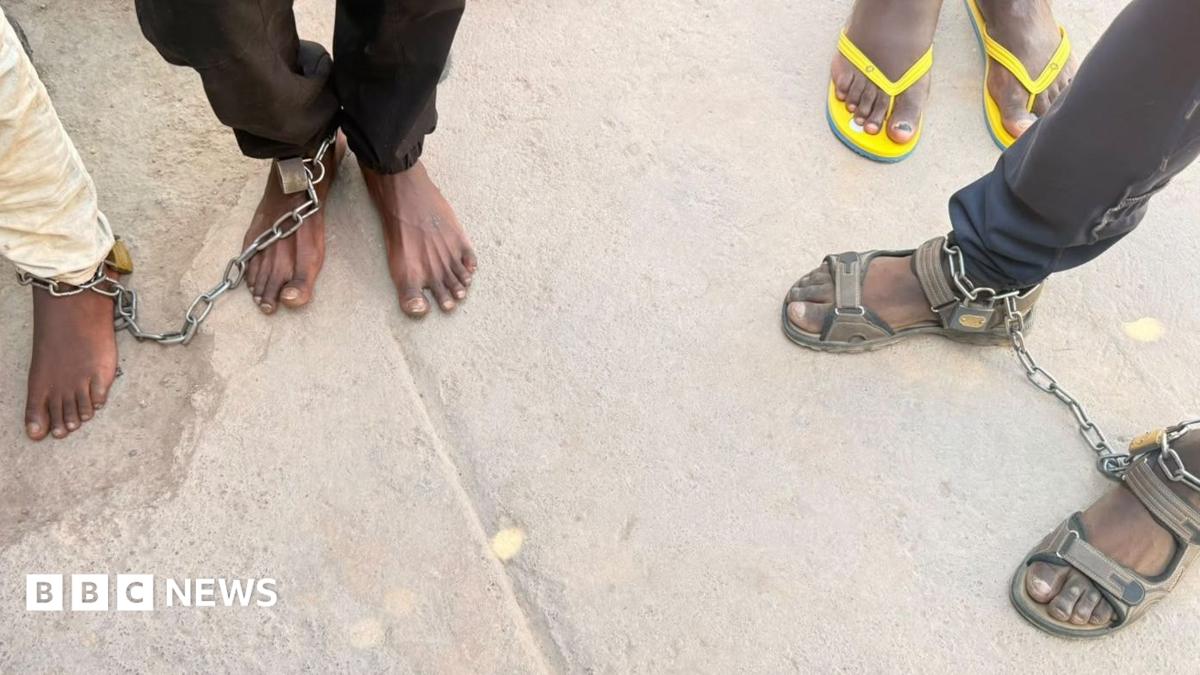
South African police and public health regulators intervened at an unlicensed addiction treatment compound, liberating approximately 200 individuals discovered living in inhumane conditions. The facility, operating outside statutory health codes, held victims in overcrowded, unventilated rooms, with dozens chained to structural posts and exhibiting advanced physical trauma, including untreated sores and signs of acute malnutrition. Preliminary investigations indicate that families, desperate for addiction intervention amidst a surge in substance abuse across urban centers, paid substantial out-of-pocket fees to operators who lacked certified medical credentials.
The incident highlights the persistent breakdown in sub-national municipal governance, public welfare infrastructure, and domestic law enforcement oversight in South Africa. As illicit rehabilitation operations proliferate to meet soaring domestic demand, regional authorities face compounding pressure over their inability to effectively audit, identify, and shut down rogue institutions. The national government in Pretoria has launched a multi-agency inquiry into the administrative failures that permitted the compound to operate undetected within a major municipal jurisdiction, signaling wider scrutiny across provincial health departments.
Global Trade & Economic Ripples
While predominantly a domestic public health crisis, systemic governance deficiencies in South Africa directly impact foreign direct investment sentiment and sovereign risk profiles. South Africa serves as the primary gateway for regional Southern African Development Community trade, logistics corridors, and capital markets. Persistent vulnerabilities in legal compliance, municipal regulation, and civil welfare elevate perceived institutional risk for multinational corporations operating within the market.
Furthermore, the proliferation of unregulated medical and rehabilitation outfits reflects an increasingly burdened national labor force. Illicit networks capturing individuals suffering from drug dependency remove potential labor productivity from key industrial, mining, and logistics sectors. Chronic public health crises undermine broader human capital development, indirectly straining private corporate healthcare expenditures and insurance underwriting across industrial operations in Gauteng, Mpumalanga, and the Western Cape.
Related Intelligence: Rising Western Deportations of Russian Dissidents Trigger Global Human Rights Fallout
International Reactions & Diplomatic Stances
International organizations and human rights observers have condemned the findings, framing the detention and abuse as a gross violation of international conventions on human rights, including the United Nations Convention Against Torture. Representatives from regional civil society coalitions have called on the African Commission on Human and Peoples' Rights to monitor South Africa's compliance with regional human dignity standards.
Diplomatic observers in Pretoria note that international development partners, which funnel substantial public health grants into Southern Africa, are assessing their oversight mechanisms. Multilateral institutions emphasizing structural welfare reform continue to caution that without comprehensive domestic policy overhauls, funding allocated toward health modernization risks being diluted by systemic corruption and administrative gaps at the provincial level.
Strategic Outlook & Future Scenarios
The trajectory of this crisis points toward intensified nationwide inspections of private medical centers, religious care compounds, and community rehab hubs. In the immediate term, South African authorities will likely face civil litigation and renewed public scrutiny ahead of regional policy summits, where domestic rule of law remains a point of contention for international investors.
Over the medium term, if the state fails to provide affordable, institutionalized public care facilities, parallel black-market treatment centers will continue to proliferate across semi-urban zones. Failure to close these enforcement loopholes risks entrenching shadow healthcare economies, degrading worker productivity, and tarnishing South Africa's international commitments to institutional transparency and fundamental human rights.
Join Our Official WhatsApp Channel
Receive live commodity alerts, policy changes, and commercial intelligence directly on WhatsApp.