
Karachi Street Crime Surge Dampens Consumer Footfall and Retail Activity
A traumatic armed robbery involving a child in Karachi highlights escalating urban lawlessness, driving down retail footfall and increasing commercial operational overheads across the financial capital.
The Core Development
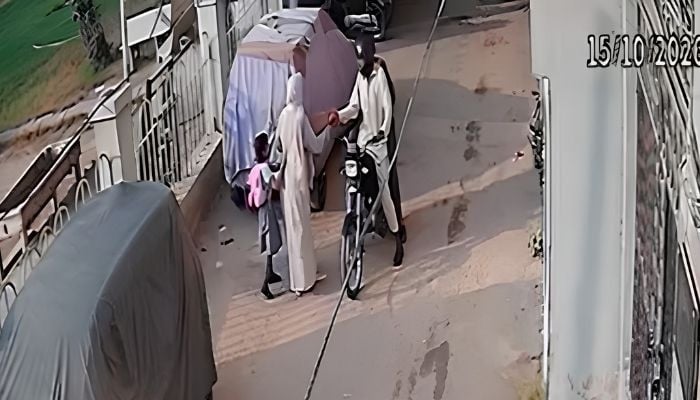
A brazen armed robbery in Karachi has intensified scrutiny over the provincial government's ability to police Pakistan's financial capital. Surveillance footage from October 15 captured two armed assailants intercepting a mother accompanied by her minor child in a residential neighborhood. The perpetrators held the child at gunpoint, coercing the mother to surrender jewelry, mobile devices, and cash before fleeing the scene unimpeded. The trauma inflicted during the incident triggered immediate public outcry across social and mainstream media platforms.
The occurrence is emblematic of a systematic deterioration in urban law and order. According to data compiled by the Citizens-Police Liaison Committee (CPLC), Karachi documented 4,838 criminal incidents during September alone. Cumulative figures since January indicate that reported offenses have surpassed 44,402 cases, covering armed muggings, vehicle snatchings, and residential break-ins. The density of violent crimes remains concentrated in commercial transit hubs and secondary retail zones, where street-level policing remains sparse and response times are delayed.
Commercial & Economic Implications
The broader ramifications of sustained urban violence extend directly into Karachi's trade and commercial ecosystem. Commercial markets, shopping centers, and urban bazaars historically rely heavily on evening and late-night shopping culture. Heightened safety anxieties among consumers have drastically shortened viable operational windows, curtailing peak footfall between 8:00 PM and midnight.
Small-to-medium retail outlets, consumer goods distributors, and localized supply chains are confronting dual pressures. Merchants are facing an erosion in discretionary retail spending as families limit movements to essential daylight activities. Concurrently, business operators must allocate higher capital toward private security services, perimeter CCTV monitoring, and secure cash-in-transit logistics. These defensive outlays drive up the baseline cost of doing business, compressing merchant operating margins at a time when consumer purchasing power is already strained by macroeconomic headwinds.
Related Intelligence: US Law Enforcement Foils Plot Against Hindu Temple Amid Heightened Extremism Concerns
Stakeholder Perspectives & Market Reactions
Trade bodies across Karachi have voiced severe concern regarding the operational vulnerability of business owners and retail staff. Representatives from the All Karachi Tajir Ittehad and local trade leadership have repeatedly highlighted that cash-dependent retail distributors, delivery personnel, and shoppers face unmitigated exposure to predatory armed syndicates.
Legal and civil society representatives have questioned structural policing reforms and the delayed deployment of municipal surveillance infrastructures, such as the Karachi Safe City project. Observers point out that while peripheral law enforcement units periodically conduct targeted crackdowns, structural deficiencies in crime prevention and judicial deterrence leave urban syndicates operating with near impunity. The sentiment among the business community remains one of mounting frustration over paying standard municipal taxes while bearing the burden of private defense.
Forward Outlook & Key Watchpoints
The trajectory of Karachi's retail security hinges upon tangible institutional interventions over the final quarter. Key variables include the pace of deployment for intelligent surveillance camera networks under public-private infrastructure arrangements and the restructuring of street-level patrolling protocols across known crime corridors.
Traders and investors will closely monitor subsequent CPLC monthly reports to assess whether targeted police operations generate sustained reductions in street crime or merely displace criminal activity across administrative districts. Continued stagnation in public safety could compel retail associations to initiate formal commercial shutdowns or seek institutional security compacts to protect market clusters, with significant downstream effects on retail turnover and urban supply-chain throughput.
Join Our Official WhatsApp Channel
Receive live commodity alerts, policy changes, and commercial intelligence directly on WhatsApp.