
Pakistan Cricket Economy Pivots Toward High-Utility Assets Like Arafat Minhas
Pakistan cricket's structural reliance on versatile all-rounders reflects a broader shift toward utility-driven asset evaluation, with emerging talent Arafat Minhas positioned at the center of domestic commercial valuation.
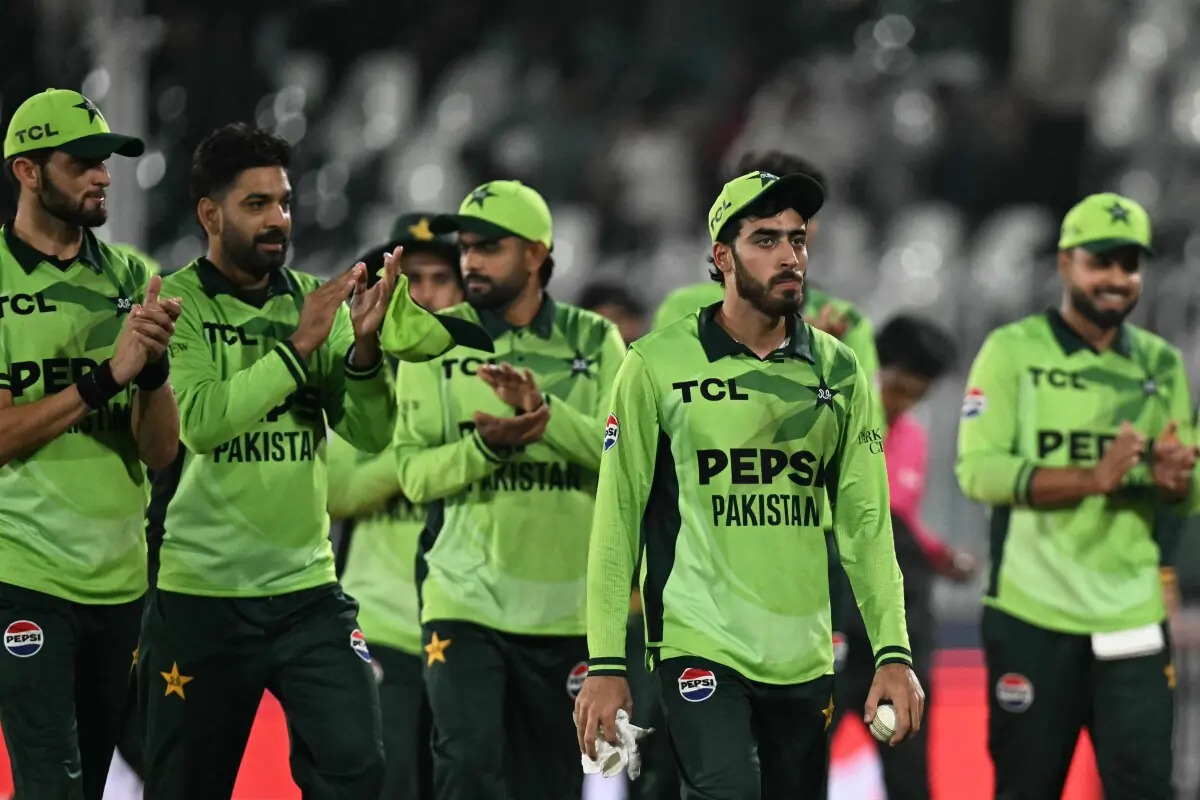
The Core Development
The landscape of professional cricket in Pakistan is undergoing an analytical evolution, moving away from isolated individual skill toward comprehensive operational utility. At the forefront of this shift is emerging prodigy Arafat Minhas, whose profile as a legitimate dual-threat player captures the strategic priorities of modern team selection. For decades, domestic cricket mythology celebrated dynamic all-rounders capable of shifting match dynamics single-handedly. Today, this traditional aspiration is underpinned by hard data: modern cricket evaluates players through net impact, tactical flexibility, and quantified efficiency across multiple phases of play.
Minhas, who has displayed significant composure across age-group cricket, domestic tournaments, and franchise leagues, represents the structural answer to Pakistan's long-standing pursuit of a genuine all-rounder. Rather than relying on batters who occasionally bowl or bowlers capable of swinging the bat, modern team management demands athletes who deliver baseline primary value in both disciplines. In high-leverage white-ball cricket, where roster caps dictate asset efficiency, players possessing dual competency significantly optimize lineup construction, allowing management to field balanced units without compromising specialized depth.
Commercial & Economic Implications
This analytical pivot carries direct commercial implications for Pakistan's sports economy, franchise valuations, and corporate sponsorship ecosystems. In the Pakistan Super League (PSL) and regional domestic contracts, all-rounders command disproportionately higher auction categories and baseline retainers. A player capable of operating across multiple disciplines functions essentially as two roster slots consolidated into one, reducing tactical opportunity costs and increasing overall return on investment for franchise owners.
Furthermore, broadcast networks, sports merchandise manufacturers, and digital media agencies allocate premium sponsorship valuations to multi-faceted players. In a retail marketplace driven by high-visibility brand ambassadors, all-rounders sustain sustained on-field screen time across batting, bowling, and high-impact fielding positions. This constant visibility delivers elevated impressions for corporate sponsors, making athletes like Minhas highly lucrative assets for long-term endorsement contracts. The downstream retail sector, particularly licensed sports apparel, footwear distribution, and youth academy equipment sales, directly tracks these strategic talent profiles, driving market demand toward versatile training gear and branded consumer goods.
Related Intelligence: Severe Injuries at PSG Expose Strains Across Sports Economy and Investment Landscape
Stakeholder Perspectives & Market Reactions
Franchise analytical desks and domestic talent scouts have increasingly aligned their recruitment matrices with utility-first models. Senior coaching staff within the domestic circuit note that the modern economic reality of franchise cricket penalizes one-dimensional specialists who cannot adapt to situational gameplay. Team analysts point out that dual-threat players provide structural stability, hedging against match variance and catastrophic collapse during league campaigns.
Conversely, traditionalists and former domestic players have raised concerns regarding the sustainability of developing genuine all-rounders in Pakistan's high-workload environment. Analysts emphasize that the systemic burden placed on young bodies through rapid multi-format progression demands elite sports science, load management, and physical conditioning infrastructure. Industry bodies acknowledge that while utility creates undeniable market value, institutional failure to manage workload risks asset depreciation through premature physical breakdown.
Forward Outlook & Key Watchpoints
The immediate trajectory of players such as Arafat Minhas will hinge on strategic workload oversight and phased integration into the senior national side. Key watchpoints over the coming quarters include the Pakistan Cricket Board's (PCB) domestic central contract allocations, player drafting strategies ahead of future PSL editions, and franchise scouting investments into regional development pipelines.
Should Minhas maintain quantitative consistency and durability, his trajectory will serve as a commercial benchmark for grassroots academies across the country. Commercial brand managers and domestic administrators will closely observe his performance metrics under international pressure, assessing whether Pakistan's long-mythologized search for a reliable, elite all-rounder has transitioned from an aspirational concept into an economically sustainable, institutional reality.
Join Our Official WhatsApp Channel
Receive live commodity alerts, policy changes, and commercial intelligence directly on WhatsApp.