
Senate Panel Summons ASF Leadership Over Escalating Airport Harassment Complaints
A Senate committee has summoned Airports Security Force officials over allegations of unprofessional conduct during passenger and lawmaker screenings at Karachi airport, prompting scrutiny of civil aviation security practices.
The Core Development
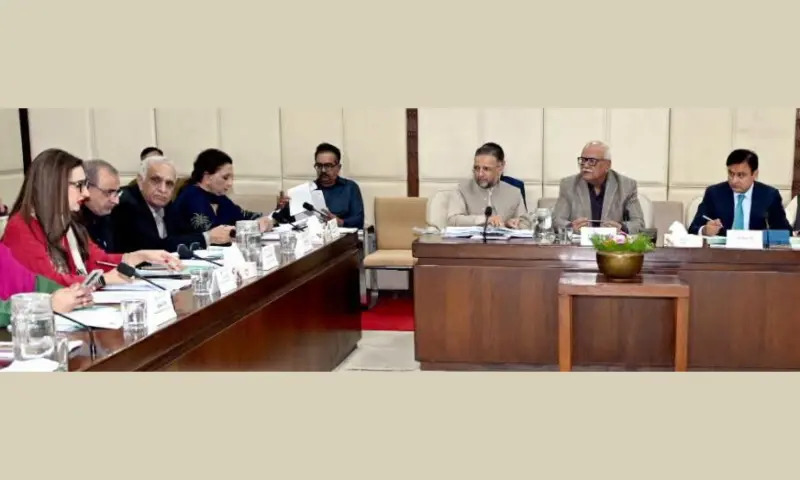
The Senate Committee on Rules of Procedure and Privileges convened in Islamabad on Wednesday under the chairmanship of Senator Syed Waqar Mehdi to review mounting grievances regarding security screening protocols at major national transit hubs. Central to the agenda was a formal privilege motion submitted by Senator Samina Mumtaz Zehri, which detailed alleged heavy-handedness and inappropriate conduct by Airports Security Force (ASF) personnel during routine passenger processing at Jinnah International Airport in Karachi.
The committee, attended by prominent lawmakers including Senators Jan Muhammad, Dost Ali Jaisar, Saadia Abbasi, Palwasha Muhammad Zai Khan, and Bushra Anjum Butt alongside senior aviation bureaucracy officials, scrutinized an preliminary inquiry report submitted by security authorities. Committee members expressed profound dissatisfaction with the departmental responses, citing persistent gaps between formal standard operating procedures and the real-time operational execution at checkpoints. Consequently, the parliamentary panel directed the immediate summoning of the relevant ASF field officials and commanding leadership to the upcoming committee session to explain procedural lapses and outline accountability measures.
Commercial & Economic Implications
While the parliamentary review originated from breaches of legislative privilege, the institutional confrontation underscores deeper structural inefficiencies across Pakistan's civil aviation network. International air gateways such as Karachi, Lahore, and Islamabad serve as critical economic nodes for foreign direct investors, trade delegations, wholesale trade executives, and corporate transit. Arbitrary or hostile security protocols significantly degrade the ease of doing business, creating friction in logistics timelines and damaging the international profile of national air corridors.
For Pakistan's wholesale and retail distribution sectors, domestic connectivity relies heavily on expedited inter-city business travel. Friction at checkpoint infrastructure adds unquantifiable deadweight costs in lost executive hours and systemic transit delays. Furthermore, as the national government actively seeks foreign investments to revitalize aviation infrastructure through public-private partnerships, persistent reports of regulatory overreach and passenger harassment at security control points deter prospective international commercial operators and corporate visitors, compounding existing vulnerabilities in services trade.
Related Intelligence: JI Announces Third Wave of Anti-Petroleum Levy Protests Across Pakistan
Stakeholder Perspectives & Market Reactions
Institutional response to the summons highlights widespread frustration among regular corporate fliers and commercial bodies. Private sector logistics associations and travel industry representatives have reiterated long-standing complaints regarding the lack of professional customer interface training among paramilitary security personnel deployed at civil installations. Legal experts emphasize that security protocols must be counterbalanced with statutory passenger rights and dignified treatment, as outlined in International Civil Aviation Organization standards.
Civil aviation analysts note that while comprehensive security measures remain mandatory due to prevailing regional threat perceptions, the militarization of civilian transit environments often produces procedural friction. Officials from the national flag carrier and domestic private airlines have quietly expressed concern that inconsistent security procedures cause gate delays, missed connections, and degraded consumer experiences, directly hurting non-aeronautical commercial revenues at terminal complexes.
Forward Outlook & Key Watchpoints
The Senate committee’s directive places structural pressure on the Ministry of Aviation and ASF headquarters to deliver concrete institutional remedies rather than perfunctory bureaucratic dismissals. In the subsequent hearing, lawmakers are expected to demand systemic reforms, including transparent passenger grievance redressal portals, standard operating protocols for non-intrusive body screening, and mandatory de-escalation training for airport personnel.
Stakeholders will closely watch whether the legislative inquiry leads to formalized regulatory changes across all federal airports or remains confined to punitive transfers of mid-tier security staff. Concurrently, aviation authorities are expected to present an expedited modernization timeline for automated, advanced screening technologies aimed at mitigating human discretion, streamlining commercial travel, and aligning domestic operations with international civil aviation norms.
Join Our Official WhatsApp Channel
Receive live commodity alerts, policy changes, and commercial intelligence directly on WhatsApp.