
Severe Injuries at PSG Expose Strains Across Sports Economy and Investment Landscape
Multi-month injuries to key Paris Saint-Germain stars have renewed critical scrutiny over congested fixture calendars, sports investment risk, and asset management in elite European football.
Geopolitical & Core Developments
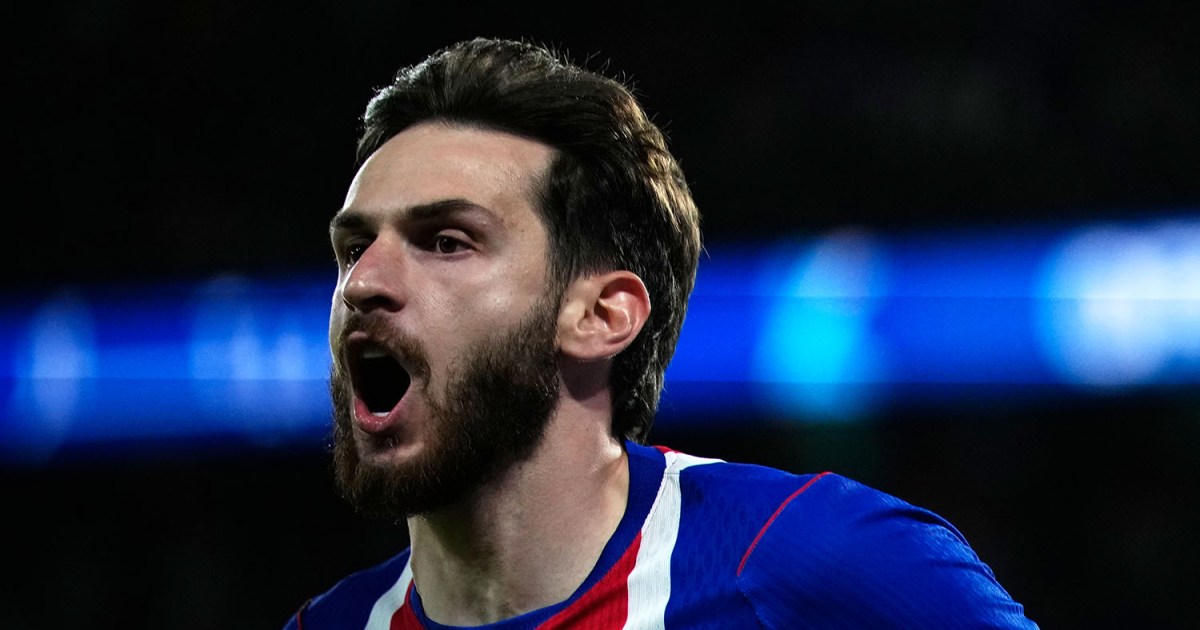
Paris Saint-Germain is confronting an acute operational crisis following a series of devastating medical assessments that have sidelined three of its most valuable sporting assets. Forward Khvicha Kvaratskhelia has been confirmed out for an extended period after sustaining a torn anterior cruciate ligament in his right knee, while French winger Ousmane Dembele and club captain Marquinhos have suffered high-grade thigh muscle tears. The medical bulletins follow a high-intensity domestic engagement that, despite yielding a tactical victory, has left the French champions structurally depleted across their frontline and defensive core.
The confluence of these long-term absences places immediate strain on PSG's competitive campaign across Ligue 1 and the UEFA Champions League. However, the development carries ramifications extending well beyond French borders. PSG operates as a premier flagship asset within the global sports portfolio of Qatar Sports Investments, an entity intrinsically tied to state-directed economic diversification strategies. When sovereign-backed sporting powerhouses experience systemic asset depreciation through physical attrition, it prompts difficult strategic evaluations regarding player workload, contract risk distribution, and squad depth planning.
Global Trade & Economic Ripples
While injuries are an inherent operational risk within professional athletics, simultaneous high-grade casualties to multi-million-euro personnel trigger tangible ripples across the modern sports business economy. Elite European football clubs function as major economic entities generating billions in downstream revenues across broadcasting, international licensing, corporate sponsorships, and gate receipts. The sudden removal of headline international figures diminishes the marketing reach and competitive viability of high-profile fixtures, directly impacting global viewership metrics across North American, Middle Eastern, and Asian markets.
Furthermore, this development reopens critical debates within institutional insurance and international underwriting syndicates. Specialized insurance instruments covering elite professional athletes protect sovereign investment vehicles and football enterprises from salary obligations during catastrophic injuries like cruciate ligament tears. With fixture congestion driving a documented uptick in soft-tissue and structural knee traumas across European leagues, global reinsurers are recalibrating underwriting premiums and operational liability terms for high-value sports organizations.
Related Intelligence: Global Sports Commerce Shifts as NBA Season Opens in New York
International Reactions & Diplomatic Stances
Reaction from global sports governance bodies, labor unions, and financial analysts has focused sharply on the unsustainable density of the international football calendar. Player advocacy bodies, notably the international union FIFPRO and domestic players' syndicates, have increasingly warned that current schedule requirements violate basic labor welfare benchmarks and accelerate physical degradation.
Analysts monitoring sports economy trends observe that the commercial imperatives of expanded tournament formats—including UEFA's redesigned club competitions and FIFA's broadened international tournaments—are colliding with the biological limits of top-tier talent. While governing executives maintain that expanded competition schedules foster greater revenue sharing and commercial development, medical and management specialists argue that catastrophic injuries to marquee international players inevitably erode the aggregate value of the sporting product.
Strategic Outlook & Future Scenarios
Moving into the forthcoming quarters, PSG must maneuver through a high-stakes competitive landscape with an extensively compromised lineup, which will test the tactical adaptability of their managerial staff and the financial flexibility of their ownership group. The club faces critical operational decisions regarding potential short-term acquisitions in upcoming transfer windows, navigating stringent European Financial Sustainability regulations while seeking to replace elite productivity.
On a structural level, the loss of Kvaratskhelia, Dembele, and Marquinhos will amplify legal and regulatory pressures between domestic leagues, sovereign-backed clubs, and governing confederations. Demands for mandatory collective bargaining over fixture schedules, mandatory rest periods, and revised player-release protocols are expected to dominate discussions at upcoming international sports governance symposiums. As commercial commitments continue to stretch athlete endurance to historical extremes, the risk of severe capital depreciation will remain a core vulnerability for major sports enterprises globally.
Join Our Official WhatsApp Channel
Receive live commodity alerts, policy changes, and commercial intelligence directly on WhatsApp.