
Gambia Secures $2.5 Million From Seized US Assets for Jammeh Victims
The Gambia has received $2.5 million from the sale of former autocrat Yahya Jammeh's forfeited US property, directing the capital toward victim reparations and strengthening international asset-recovery precedents.
Geopolitical & Core Developments
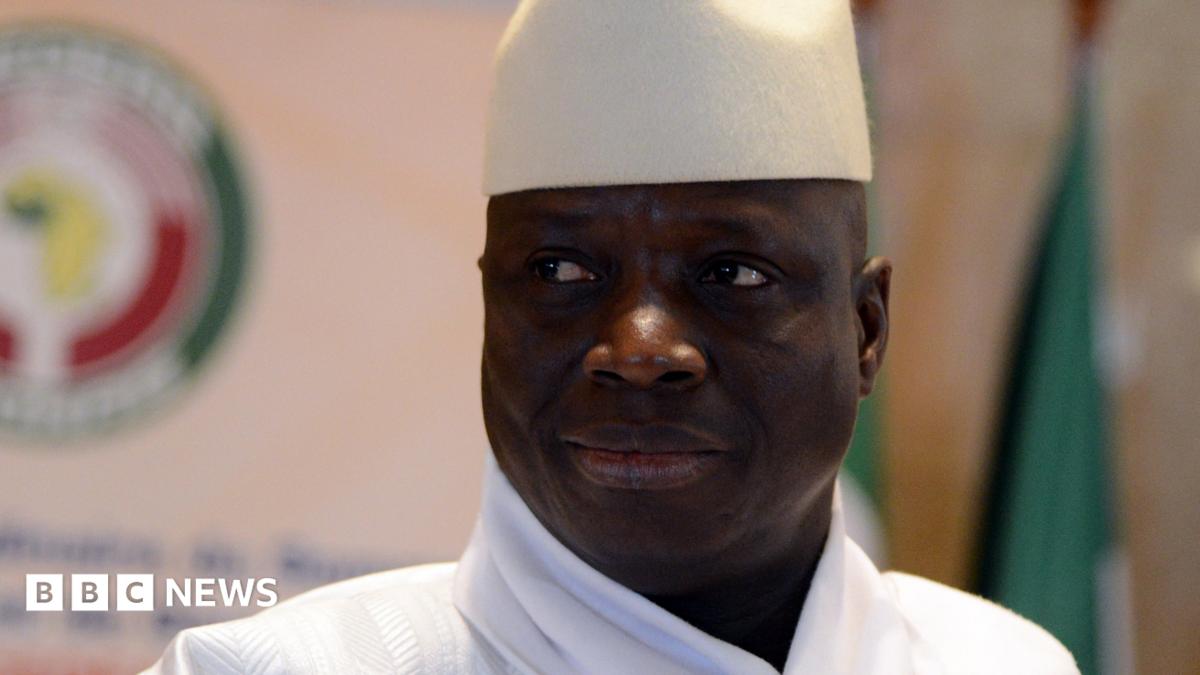
The government of The Gambia has confirmed the receipt of $2.5 million generated from the liquidation of a luxury estate in Potomac, Maryland, formerly owned by exiled autocrat Yahya Jammeh. The transfer marks a milestone in transatlantic legal cooperation and sovereign asset recovery, concluding a multi-year civil forfeiture initiative spearheaded by the United States Department of Justice Kleptocracy Asset Recovery Initiative.
Jammeh, who seized power in a 1994 bloodless coup, governed the West African nation for 22 years before being forced into exile in Equatorial Guinea following his December 2016 electoral defeat. His regime was characterized by documented state-sponsored abuses, including extrajudicial killings, forced disappearances, arbitrary detention, and systemic financial pillaging. Banjul's Truth, Reconciliation and Reparations Commission (TRRC) recommended comprehensive prosecutions and established the framework for compensating survivors and bereaved families. The repatriation of these proceeds represents tangible progress in implementing transitional justice mandates, transitioning institutional recommendations into fiscal resources for redress.
[Global Trade](/news/us-midterm-elections-geopolitical-impact-global-trade) & Economic Ripples
While modest in absolute sovereign fiscal terms, the liquidation underscores broadening risk parameters within global real estate, offshore banking, and illicit capital flows. Sovereign wealth funds, international commercial lenders, and private banking syndicates increasingly encounter expanded enforcement of cross-border forfeiture instruments targeting illicit politically exposed persons (PEPs).
For West Africa, institutional integrity directly influences regional sovereign debt ratings and foreign direct investment (FDI) inflows. The repatriation reinforces The Gambia's fiscal stability and anti-corruption posture, facilitating enhanced credit arrangements with multilateral development banks like the International Monetary Fund and the African Development Bank. Furthermore, this asset recovery mechanism establishes a model for converting external frozen assets into sovereign social spending without burdening national debt obligations, offering fiscal relief to an economy vulnerable to global commodity price swings, agricultural shocks, and tourism volatility.
Related Intelligence: US Midterm Stakes Reshape Geopolitical Outlook and Global Trade Trajectory
International Reactions & Diplomatic Stances
Multilateral bodies and rights advocacy networks have widely commended the execution of the forfeiture order. The United States Department of Justice reiterated its commitment to preventing the domestic financial ecosystem and real estate sector from serving as safe havens for foreign illicit capital, emphasizing that sovereign asset recovery serves both judicial accountability and domestic restitution.
Civil society networks, including the Gambia Center for Victims of Human Rights Violations, welcomed the capital influx while urging strict oversight and transparency in distribution. African legal analysts have identified the development as an exemplar for bilateral cooperation under the United Nations Convention against Corruption (UNCAC). Questions remain regarding Equatorial Guinea's ongoing provision of political asylum to Jammeh, maintaining a persistent diplomatic impasse between Banjul, the Economic Community of West African States (ECOWAS), and Malabo.
Strategic Outlook & Future Scenarios
The focal point shifts to institutional execution within Banjul, where the Ministry of Justice and the independent victims' fund must disperse reparations efficiently to maintain civic credibility. Domestic civil society organizations are expected to demand transparent auditing to prevent bureaucratic capture or political redirection of recovered assets.
Internationally, this resolution will embolden multilateral efforts to track Jammeh's broader offshore holdings across Europe, the Middle East, and sub-Saharan Africa. The precedent provides substantial leverage to ongoing asset recovery efforts involving other deposed regimes. As Western jurisdictions implement stricter corporate transparency rules and tighten beneficial ownership registries, international capital markets will face higher due diligence standards. The Gambian case proves that cross-border forfeiture mechanisms can translate protracted judicial processes into measurable reparations for victims of sovereign kleptocracy.
Join Our Official WhatsApp Channel
Receive live commodity alerts, policy changes, and commercial intelligence directly on WhatsApp.