
Kyiv Critical Infrastructure Shattered Under Renewed Russian Aerial Assaults
Intensified Russian strikes on Kyiv infrastructure have plunged Ukraine's capital into a severe humanitarian and economic crisis, threatening broader global commodity stability.
Geopolitical & Core Developments
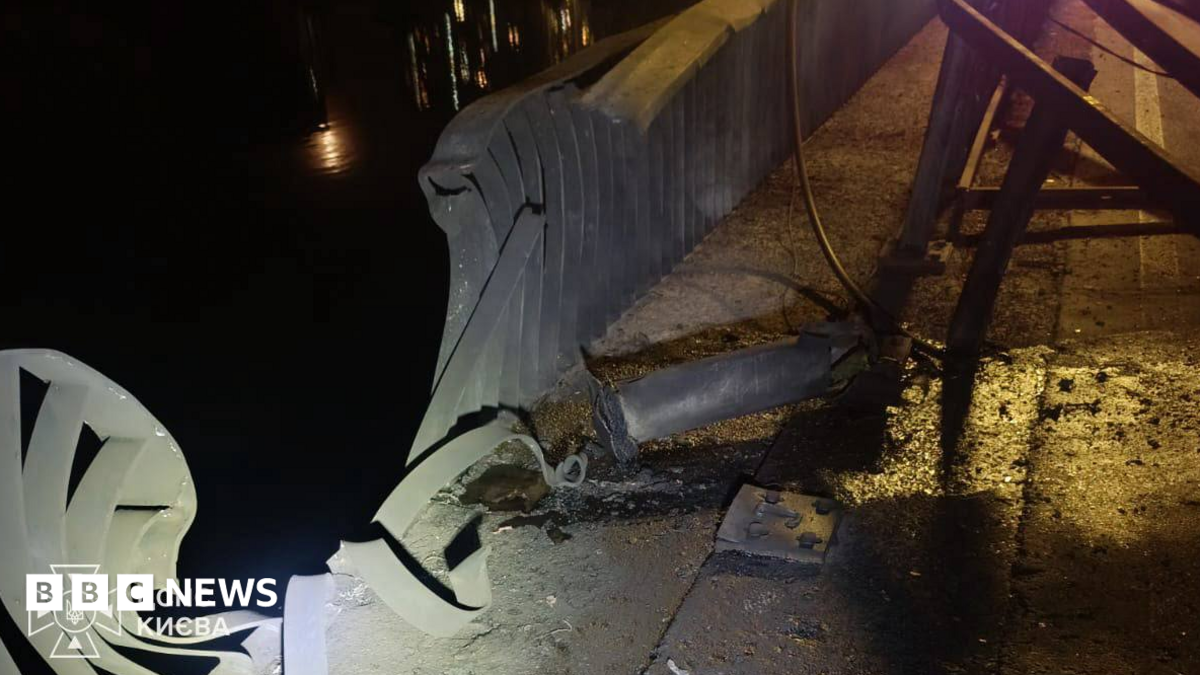
Kyiv is confronting what local leadership describes as a deeply dramatic situation following a relentless escalation of targeted Russian aerial bombardments. Mayor Vitaliy Klitschko has issued grave warnings regarding the systematic destruction of the city's critical municipal infrastructure, encompassing power generation facilities, heating networks, and water purification plants. The renewed offensive marks a strategic shift by Moscow toward paralyzing urban centers as winter approaches, compounding the attrition of a prolonged conflict that has reshaped European security architecture. State actors across the continent are re-evaluating their defensive postures as air defense systems struggle to intercept high-volume missile and drone barrages. The strategic stakes have never been higher, with the sovereignty of Ukraine hanging in the balance while diplomatic avenues remain largely paralyzed. The military calculus now heavily favors attrition, with both sides reinforcing positions along an extensive and heavily fortified front line.
Global Trade & Economic Ripples
The deterioration of stability in Kyiv and the broader Ukrainian heartland sends immediate shockwaves through international commodity markets. Ukraine remains a vital exporter of agricultural staples, including wheat, corn, and sunflower oil, alongside its strategic positioning in European industrial supply chains. Persistent attacks on energy grids disrupt not only domestic economic activity but also regional logistics networks, driving volatility in European gas and electricity pricing. Shipping lanes in the Black Sea and overland transport corridors face heightened risk premiums, directly impacting maritime insurance rates and freight costs. As energy infrastructure becomes the primary theater of destruction, global energy markets are recalibrating to account for potential supply disruptions, feeding inflationary pressures across developed and developing economies alike. Industrial raw materials face intermittent supply bottlenecks, forcing multinational corporations to diversify sourcing and hedge against prolonged geopolitical uncertainty.
Related Intelligence: Pakistan Confirms High-Level Riyadh Talks on Regional Security and Trade
International Reactions & Diplomatic Stances
Multilateral bodies and Western capitals have responded to the latest escalation with condemnation and pledges of expedited military and humanitarian aid. The United Nations Security Council has convened emergency sessions to address the humanitarian catastrophe unfolding in urban centers, urging immediate cessation of attacks on civilian infrastructure. Major economies have reiterated their commitment to sustaining financial support for Kyiv, while market analysts warn that prolonged conflict fatigue could strain coalition unity. Economic sanctions against Moscow continue to be scrutinized for loopholes, with financial regulators and trade organizations intensifying enforcement mechanisms to prevent circumvention through third-party intermediaries. Diplomatic overtures from neutral nations have thus far yielded negligible progress, as entrenched positions on territorial integrity and security guarantees preclude any immediate ceasefire negotiations.
Strategic Outlook & Future Scenarios
Looking ahead, the trajectory of the conflict hinges on the timely delivery of advanced air defense systems to Ukraine and the resilience of its civilian population under sustained duress. Upcoming international summits and G7 deliberations will likely focus on tightening financial restrictions and structuring long-term reconstruction financing backed by immobilized sovereign assets. Geopolitical escalation points remain high, with the risk of secondary spillover effects impacting neighboring NATO member states through errant projectiles or cyber warfare directed at critical infrastructure. Commercial enterprises must prepare for a protracted structural shift in global trade dynamics, characterized by fractured supply chains, elevated energy costs, and heightened regulatory compliance burdens as economic statecraft takes permanent precedence over traditional globalization.
Join Our Official WhatsApp Channel
Receive live commodity alerts, policy changes, and commercial intelligence directly on WhatsApp.