
Mexico Fast-Tracks Constitutional Ban on Dual Citizenship for Presidents
Mexico is fast-tracking a constitutional reform requiring presidential candidates and top executives to renounce dual citizenship, sparking fierce political debate.
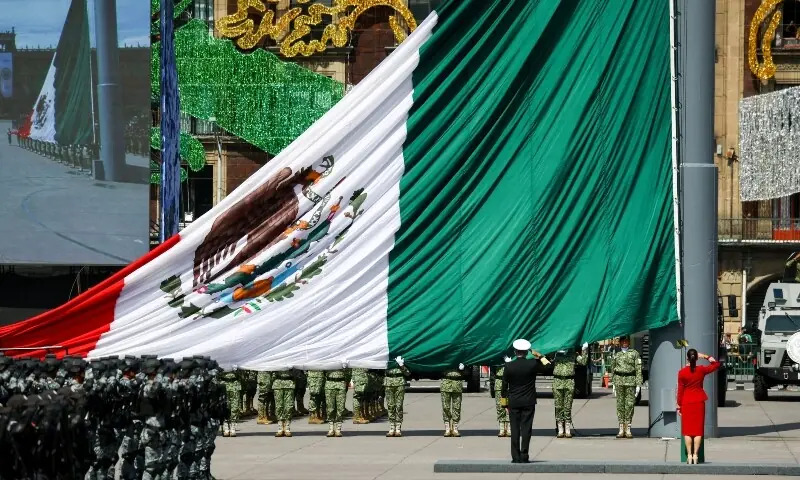
The Core Development
Mexico is advancing a high-stakes constitutional reform that would mandate presidential candidates, state governors, and the Mexico City mayor to renounce any dual citizenship prior to taking office. The legislative package, heavily backed by the ruling Morena party, is moving swiftly toward final ratification after securing approval this week from a majority of Mexico's 32 state legislatures.
President Claudia Sheinbaum strongly defended the initiative during her daily press briefing, framing the legislation as a matter of absolute national sovereignty and undivided allegiance. The reform directly targets individuals holding foreign passports, stipulating that holders of high executive office must swear allegiance exclusively to the Mexican state. The expedited legislative timeline has caught opposition parties off guard, prompting accusations of procedural fast-tracking designed to bypass rigorous congressional debate.
Commercial & Economic Implications
While the constitutional amendment is primarily a political and governance measure, international investors and trade analysts are closely monitoring its broader macroeconomic repercussions. Mexico remains a critical trade partner globally, and shifts in domestic political stability directly influence foreign direct investment inflows, currency valuations, and cross-border commercial agreements. For emerging markets like Pakistan, structural shifts in Mexican governance serve as a barometer for sovereign risk premiums across developing economies.
Changes in Mexico's political landscape can trigger localized market volatility, influencing global commodity flows, supply chain dynamics, and investor sentiment across emerging market debt instruments. Retail and wholesale trade sectors dependent on stable bilateral commercial treaties observe these regulatory overhauls closely, as any tightening of nationalist policies can cascade into broader trade postures.
Related Intelligence: Pakistan Confirms High-Level Riyadh Talks on Regional Security and Trade
Stakeholder Perspectives & Market Reactions
Reactions to the fast-tracked reform remain deeply polarized across the political and legal spectrum. President Sheinbaum staunchly defended the move, asserting that leaders must possess singular dedication to the nation, stating that presidents of Mexico can only have one flag, one homeland, and one people to defend.
Conversely, critics and opposition figures contend that the measure erects artificial barriers for dual-national politicians, effectively disenfranchising qualified leaders. Furthermore, internal dissent within political circles suggests the rule could complicate leadership succession planning within the ruling coalition and allied factions, several of whose prominent figures currently hold foreign passports. Legal experts have also raised concerns regarding the infringement of established political rights and the potential for selective enforcement against political rivals.
Forward Outlook & Key Watchpoints
With the state legislatures having greenlit the framework, the final ratification process is entering its concluding phases. Market watchers and political analysts will monitor the formal promulgation of the law and any subsequent legal challenges filed in Mexico's supreme court by opposition legislators.
Key watchpoints include the specific enforcement timelines, the precise bureaucratic mechanisms required for citizenship renunciation, and how the ruling party navigates internal leadership succession ahead of upcoming electoral cycles. The outcome will set a definitive precedent for executive eligibility standards in Latin America's second-largest economy.
Join Our Official WhatsApp Channel
Receive live commodity alerts, policy changes, and commercial intelligence directly on WhatsApp.