
Pakistan Weighs Strategic Expansion of Makkah Defence Pact Amid Growing Regional Interest
Deputy Prime Minister Ishaq Dar announced that over six nations are seeking to join the Makkah defence pact, signaling a major shift in regional security and geopolitical alliances.
The Core Development
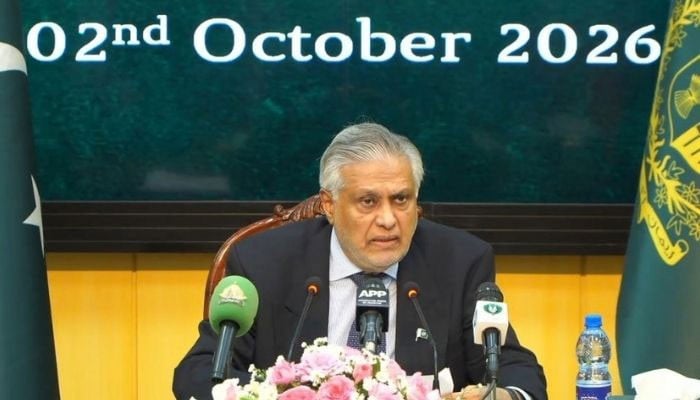
In a significant diplomatic disclosure, Deputy Prime Minister and Minister for Foreign Affairs Senator Mohammad Ishaq Dar announced that more than six sovereign states have formally expressed their intention to join the Makkah defence pact. Speaking on recent geopolitical developments and regional security architecture, the Deputy Prime Minister highlighted the growing gravity and appeal of the multilateral security framework. The announcement underscores a broader recalibration of diplomatic alliances across the Middle East and South Asia, positioning the pact as a cornerstone for collaborative defense mechanisms.
The development follows a series of high-level diplomatic consultations held in Islamabad and regional capitals, where defense officials evaluated the modalities for expanding the security arrangement. Originally designed to foster closer military coordination and strategic deterrence among participating nations, the Makkah defence pact has increasingly drawn interest from non-founding states seeking enhanced intelligence sharing, joint military exercises, and formalized mutual defense guarantees. The timeline for prospective member integration is expected to be reviewed during the upcoming ministerial summits, with technical committees currently vetting the strategic implications of expanding the alliance's membership base.
Commercial & Economic Implications
While primarily framed as a security and defense arrangement, the expansion of the Makkah defence pact carries profound indirect implications for trade, foreign direct investment (FDI), and macroeconomic stability in Pakistan. Enhanced strategic alignment with key Gulf and regional partners traditionally fosters a stable investment climate, mitigating perceived sovereign risks and lowering insurance premiums for maritime trade routes passing through the Arabian Sea and the Red Sea.
For Pakistan's domestic economy, which relies heavily on petroleum imports and bilateral trade with Gulf Cooperation Council (GCC) member states, robust security cooperation serves as a vital economic anchor. Stability in international energy corridors directly impacts wholesale fuel distribution costs, industrial input pricing, and domestic inflationary pressures. By securing closer ties through institutionalized defense frameworks, Islamabad aims to safeguard critical supply chains, attract long-term capital investments in energy and infrastructure projects, and fortify foreign exchange reserves against external macroeconomic shocks.
Related Intelligence: Pakistan, Saudi Arabia, and Turkiye Advance Strategic Defense Pact
Stakeholder Perspectives & Market Reactions
Business councils, corporate leaders, and geopolitical analysts have responded cautiously yet optimistically to the potential expansion of the defense pact. Representatives from major chambers of commerce in Pakistan note that international security partnerships frequently translate into preferential trade agreements and expanded export opportunities for domestic manufacturing, agricultural, and engineering sectors.
Defense analysts emphasize that while the inclusion of additional member states enhances collective bargaining power and regional deterrence, it also necessitates careful diplomatic balancing to ensure that Pakistan's sovereign foreign policy objectives remain uncompromised. Legal and policy experts have called for parliamentary oversight regarding the specific commitments undertaken within the expanded framework, ensuring absolute transparency in treaty obligations and financial allocations linked to joint defense initiatives.
Forward Outlook & Key Watchpoints
As diplomatic momentum builds around the Makkah defence pact, key stakeholders are closely monitoring several critical milestones. The primary focus will center on the formal accession criteria established for prospective member nations during upcoming ministerial dialogues. Analysts will be watching for specific protocols regarding joint command structures, burden-sharing mechanisms, and the integration of defense industrial bases among participating countries.
For Pakistan, the overarching challenge lies in translating strategic defense diplomacy into tangible economic dividends. Policymakers must leverage this enhanced geopolitical standing to secure favorable bilateral trade terms, accelerate energy corridor developments, and foster sustainable growth in an increasingly volatile global economic landscape.
Join Our Official WhatsApp Channel
Receive live commodity alerts, policy changes, and commercial intelligence directly on WhatsApp.