
Pakistan, Saudi Arabia, and Turkiye Advance Strategic Defense Pact
Deputy Prime Minister Ishaq Dar announced an upcoming Riyadh meeting for the Makkah Defence Alliance to counter regional security threats, following high-level UNGA consultations.
The Core Development
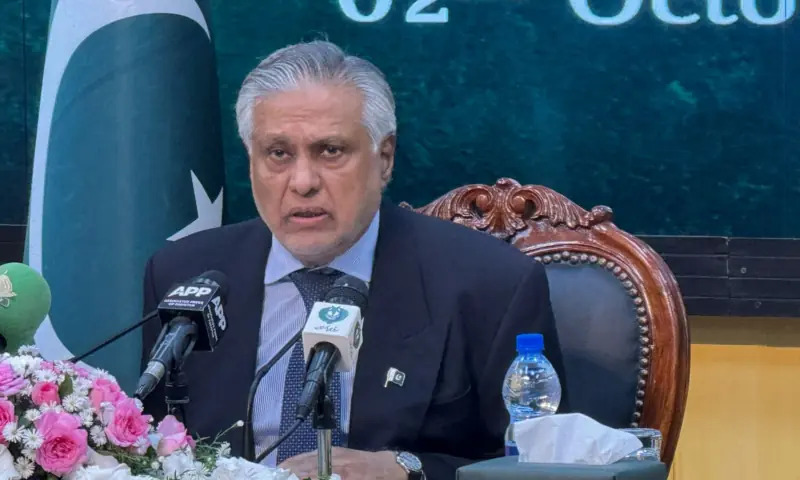
Deputy Prime Minister and Foreign Minister Ishaq Dar announced on Friday that the Strategic Political Defence Committee (SPDC) of the Makkah Defence Alliance is scheduled to convene in Riyadh in the near future. The high-level meeting will prioritize regional security coordination, specifically addressing ongoing Houthi missile and drone threats directed against Saudi Arabia.
Speaking at a comprehensive press briefing following the conclusion of Pakistan's diplomatic engagements at the 81st session of the United Nations General Assembly (UNGA) in New York, Dar detailed the mechanics of the trilateral initiative. He confirmed that the strategic framework was solidified during sideline consultations involving himself, Turkish Foreign Minister Hakan Fidan, and Saudi Foreign Minister Prince Faisal bin Farhan Al Saud.
The SPDC, established under the overarching Makkah Accord, brings together a high-powered triumvirate from each member nation, comprising their respective foreign ministers, defense ministers, and top military commanders. This institutional synergy is designed to streamline intelligence sharing, joint defense planning, and operational readiness across participating states.
Commercial & Economic Implications
While ostensibly a defense and security pact, the deepening trilateral alliance between Pakistan, Saudi Arabia, and Turkiye carries profound macroeconomic and commercial consequences for Islamabad. Stability in the Gulf region is paramount for Pakistan's external account stability, given that Saudi Arabia remains a primary source of petroleum imports, financial support, and worker remittances.
Geopolitical security directly impacts maritime trade routes in the Red Sea and Arabian Sea corridors. Mitigating threats to Saudi critical infrastructure stabilizes global energy prices, directly shielding Pakistan's domestic manufacturing and transport sectors from imported inflationary shocks. Furthermore, closer defense-industrial cooperation with Turkiye and Saudi Arabia opens potential avenues for joint ventures in defense production, technology transfer, and engineering exports, bolstering Pakistan's long-term industrial base and foreign exchange reserves.
Related Intelligence: Horn of Africa Crisis Threatens Regional Stability and Trade
Stakeholder Perspectives & Market Reactions
Business councils, corporate leaders, and trade associations in Pakistan have monitored these geopolitical developments with cautious optimism. Financial analysts note that foreign policy alignments that secure robust economic and security guarantees from traditional Gulf allies provide essential reassurance to foreign portfolio investors and international credit rating agencies.
Defense analysts and trade economists alike emphasize that institutionalizing military and political cooperation creates a predictable business environment. Industrial bodies in Karachi and Lahore have underscored that stable energy corridors and secure shipping lanes are non-negotiable prerequisites for sustaining export-led growth amidst volatile global commodity markets.
Forward Outlook & Key Watchpoints
Attention now shifts to the capital of Saudi Arabia, where the SPDC will operationalize the decisions made during the New York UNGA dialogues. Key metrics to monitor include the finalization of joint defense protocols, intelligence-sharing mechanisms, and the timeline for multi-lateral military exercises.
Policymakers in Islamabad will also track potential trade agreements and investment pledges that typically accompany high-level strategic partnerships with Riyadh and Ankara. The success of this defense pact in securing regional stability will serve as a critical benchmark for Pakistan's foreign policy and economic resilience in the fiscal year.
Join Our Official WhatsApp Channel
Receive live commodity alerts, policy changes, and commercial intelligence directly on WhatsApp.