
Pakistan Secures Historic IMF and World Bank Board Chairmanship After Seven Decades
Pakistan has been designated the incoming chair of the IMF and World Bank Group Boards of Governors, marking its first leadership appointment at the Bretton Woods institutions in over seven decades.
The Core Development
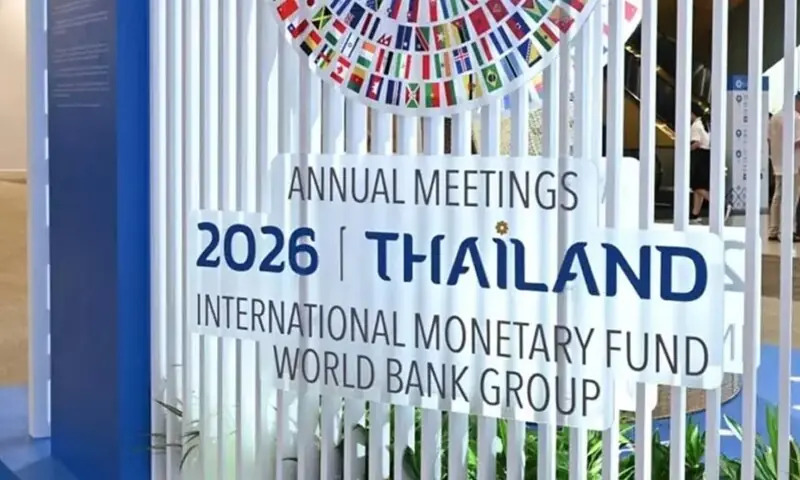
In a landmark diplomatic and economic breakthrough, Pakistan has been officially selected to assume the chairmanship of the Boards of Governors of the International Monetary Fund (IMF) and the World Bank Group (WBG). The announcement, confirmed by the Ministry of Economic Affairs, marks the first time Pakistan will lead these global governing boards since 1953, ending a hiatus of more than seven decades.
Federal Minister for Economic Affairs Ahad Khan Cheema, serving as Pakistan’s Governor to the World Bank, was formally named incoming chair during the plenary session of the multilateral meetings in Bangkok. The gathering assembled over 15,000 delegates across 191 member states, encompassing central bank governors, finance ministers, institutional investors, and global economic policymakers. Under institutional governance frameworks, the chair presides over high-level plenary sessions, steers global policy dialogues, and acts as a central conduit between member nations and executive leadership.
Commercial & Economic Implications
For Pakistan’s domestic macroeconomic landscape, this diplomatic elevation arrives at a critical juncture of fiscal consolidation. While the role is largely ceremonial and governance-oriented, the institutional visibility offers tangible dividends for sovereign credit standing and commercial confidence.
On the ground, international credibility plays a direct role in exchange rate stability and foreign exchange reserves. A stabilized rupee significantly curbs imported inflation, lowering landed costs for imported industrial raw materials, edible oils, packaging commodities, and petroleum products. For wholesale distributors and retail traders across urban hubs like Karachi, Lahore, and Rawalpindi, reduced volatility mitigates inventory valuation risks and eases supply chain pricing pressures. Lower currency volatility and predictable fiscal management under multilateral auspices are essential preconditions for stabilizing domestic policy rates, ultimately lowering the borrowing costs required for wholesale working capital and retail credit expansion.
Related Intelligence: Pakistan Secures 2027 Chairmanship of IMF and World Bank Boards
Stakeholder Perspectives & Market Reactions
Official channels have characterized the appointment as an international endorsement of Pakistan’s constructive multilateral engagement and structural reform efforts. The Ministry of Economic Affairs emphasized that the platform restores Pakistan’s voice at the apex of global financial decision-making.
Domestic commercial chambers and financial market analysts responded with measured optimism. Major business federations noted that enhanced institutional prestige must translate into bilateral investment flows and sovereign debt sustainability. Equities on the Pakistan Stock Exchange and sovereign Eurobonds showed positive sentiment, with traders citing increased confidence in the continuous execution of reform agendas. However, independent economists caution that the chairmanship does not automatically soften conditionality attached to existing financing facilities, noting that structural commitments—ranging from tax base expansion to power sector overhauls—remain mandatory.
Forward Outlook & Key Watchpoints
As Pakistan prepares to officially take up the gavel for the upcoming cycle, policymakers face the dual imperative of managing global responsibilities while enforcing rigorous domestic adjustments. Key watchpoints over the coming quarters include the execution of the ongoing IMF Extended Fund Facility commitments, performance benchmarks across energy utilities, and revenue mobilization targets under federal directives.
Market participants will closely evaluate whether this elevated global visibility aids Pakistan in securing climate finance, expanding concessional development pipelines from the World Bank, and enhancing credit ratings from international agencies. For domestic enterprises and commercial trade networks, the continuity of structural reforms and foreign reserve accretion will remain the ultimate indicators of lasting macroeconomic stabilization.
Join Our Official WhatsApp Channel
Receive live commodity alerts, policy changes, and commercial intelligence directly on WhatsApp.