
Houthi Strikes Disrupt Saudi Sports Calendar Amid Regional Maritime Security Crisis
Saudi Arabia faces operational disruptions across major international events following Houthi strikes, prompting the postponement of golf's Saudi International while football organisers maintain scheduled fixtures amid heightened Gulf security risks.
Geopolitical & Core Developments
Regional security tensions across the Arabian Peninsula have spilled into the international sporting and commercial arena following recent projectile and drone attacks launched by Yemen's Houthi movement. In response to heightened threat assessments, the Asian Tour announced the indefinite postponement of the flagship Saudi International golf tournament, previously scheduled to take place at the Royal Greens Golf & Country Club in King Abdullah Economic City. The event, an integral pillar of the Kingdom's high-profile sporting portfolio, was deferred following extensive consultations with security specialists and international stakeholders.
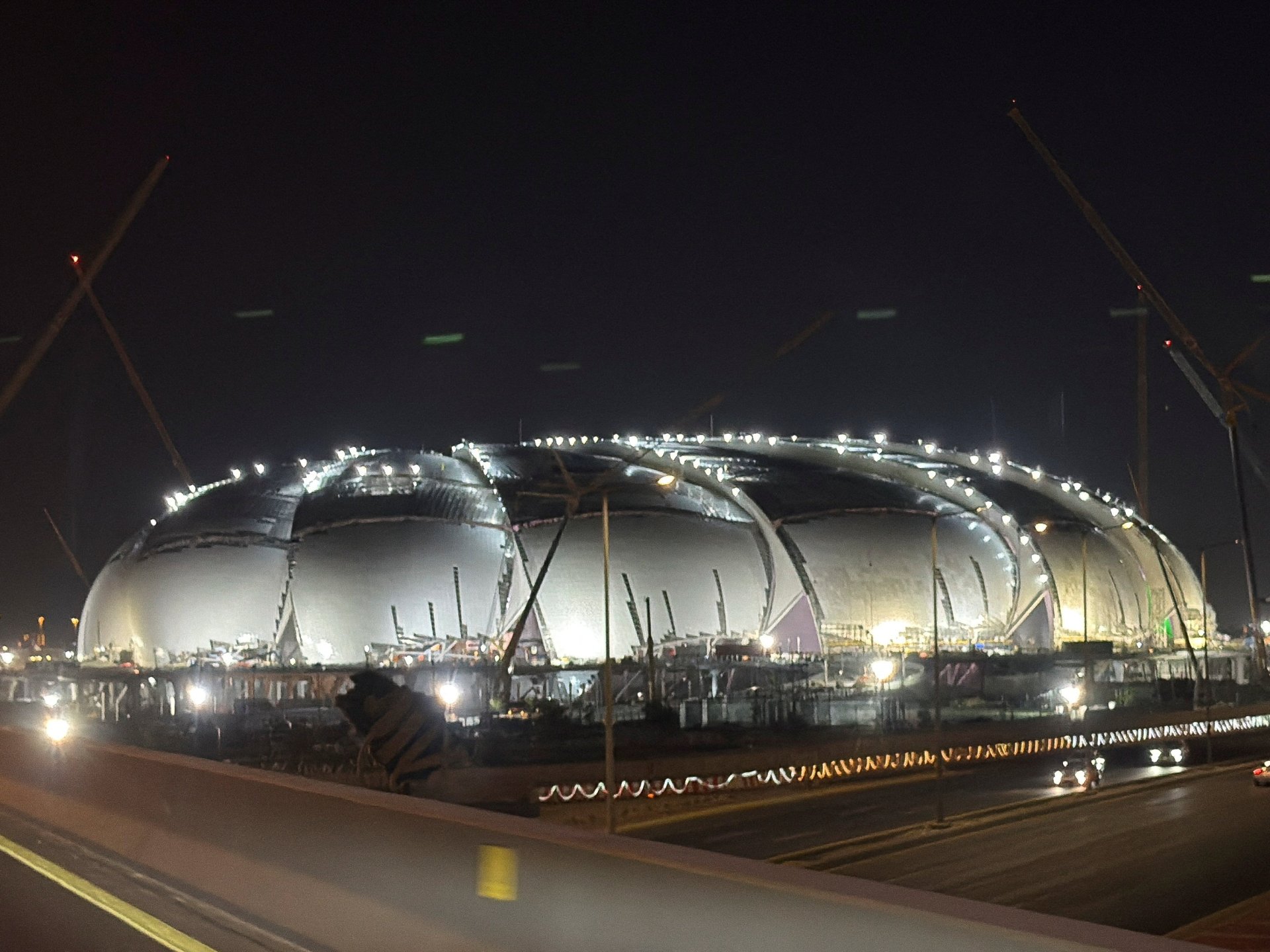
Conversely, continental football governing bodies have maintained their operational trajectory. Organisers of the Asian Football Confederation (AFC) Asian Cup affirmed that scheduled fixtures and structural preparations across Saudi host cities remain active and unaffected. Riyadh has invested tens of billions of dollars into sports infrastructure, tourism, and entertainment as part of Vision 2030, a comprehensive economic diversification strategy championed by Crown Prince Mohammed bin Salman. The divergent decisions between golf and football authorities illustrate the complex calculus multinational event organizers face when operating within reach of regional ballistic and unmanned aerial capabilities.
[Global Trade](/news/us-midterm-voter-discontent-signals-global-trade-shifts) & Economic Ripples
The security vulnerabilities highlighted by the targeting of Western Saudi Arabia extend directly into the commercial maritime and energy sectors. The strategic Red Sea corridor and the Bab el-Mandeb strait remain fraught choke points, with international shipping conglomerates continuously weighing the elevated costs of war risk insurance against the prolonged transit times of rerouting vessels around the Cape of Good Hope. Sustained threat levels in proximity to coastal economic zones compound logistical friction, elevating bunker fuel consumption and inflating container freight rates across Asia-Europe trade lanes.
Furthermore, attacks directed at Saudi sovereign infrastructure place latent upward pressure on crude oil benchmarks. Brent crude futures consistently integrate a geopolitical risk premium whenever cross-border military exchanges threaten coastal export terminals or energy processing facilities. For institutional investors, the selective postponement of high-profile international gatherings underscores persistent sovereign risk, potentially tempering capital inflows earmarked for Vision 2030 giga-projects along the western seaboard, including NEOM and the Red Sea Project.
Related Intelligence: Tragic Oregon School Shooting Intensifies Domestic Debate and International Scrutiny
International Reactions & Diplomatic Stances
The postponement has drawn widespread attention across diplomatic and sports governance circles. Western defense officials have reaffirmed their commitments to Gulf maritime security, reiterating that unprovoked strikes against non-military targets and commercial transit arteries violate international law and jeopardize regional stability. Multilateral coalitions operating in the southern Red Sea have sustained maritime interdiction operations, though diplomatic observers note that military deterrence has yet to fully suppress asymmetric launch capabilities.
Within Riyadh, state representatives maintained that national air defense systems remain fully integrated and capable of mitigating aerial threats, assuring global bodies that commercial life, domestic aviation, and large-scale public gatherings maintain full operational integrity. Industry analysts observe that while international sports federations remain committed to the lucrative Saudi market, corporate risk managers and insurance underwriters are imposing stricter contingency clauses on future contracts hosted in the Gulf basin.
Strategic Outlook & Future Scenarios
The trajectory of Saudi Arabia's international event pipeline hinges on broader diplomatic efforts to de-escalate the regional proxy conflict and restore baseline maritime deterrence. A failure to curb drone and missile proliferation risks recurrent event cancellations, reputational friction for state-backed sports vehicles, and sustained operational surcharges across regional aviation and maritime logistics.
Moving forward, market participants will monitor whether forthcoming international events experience athlete withdrawals or logistical realignments. If cross-border hostility intensifies ahead of key 2027 and 2034 sporting milestones, sovereign entities may be compelled to recalibrate public safety expenditures and provide sovereign indemnities to retain top-tier international competitions and foreign direct investment.
Join Our Official WhatsApp Channel
Receive live commodity alerts, policy changes, and commercial intelligence directly on WhatsApp.