
Pakistan Adjusts Fuel Prices as Petrol Rises and Diesel Dips
Pakistan's government revises petroleum prices, hiking petrol by Rs1.19 per litre while lowering high-speed diesel by Rs1.91 per litre in line with international market fluctuations.
The Core Development
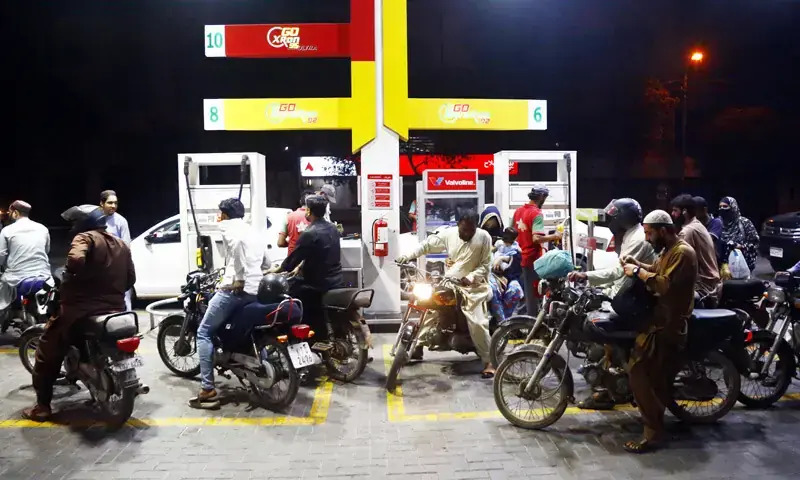
The federal government, acting on the recommendations of the Oil and Gas Regulatory Authority (OGRA), has announced a fresh revision in the ex-depot prices of petroleum products across Pakistan. According to the official notification issued by the Ministry of Energy, the price of petrol (Motor Spirit) has been increased by Rs1.19 per litre. Conversely, the price of high-speed diesel (HSD), a vital fuel for the country's agricultural and heavy transport sectors, has registered a decrease of Rs1.91 per litre.
This bi-monthly price adjustment reflects the government's standard mechanism of passing on international oil market trends, exchange rate variations, and import premium costs to domestic consumers. The new pricing structure took effect immediately at midnight, with oil marketing companies and retail fuel stations directed to implement the revised ex-depot rates across all provinces.
Commercial & Economic Implications
The divergent price movement of petrol and high-speed diesel creates a mixed economic landscape for Pakistani businesses and consumers. Petrol is primarily consumed by private vehicles, motorcycles, and small-scale urban commuters. The Rs1.19 hike adds a marginal burden to urban transport costs, feeding slightly into the broader inflationary pressures faced by salaried households.
On the other hand, high-speed diesel serves as the lifeblood of Pakistan's economy, driving heavy transport trucks, cargo logistics, railway networks, and agricultural tube wells and tractors. The downward revision of Rs1.91 per litre in HSD prices offers a welcome, albeit modest, reprieve to freight operators and farmers. Lower diesel costs can potentially moderate inter-city freight charges, exerting a cooling effect on perishable food item prices and wholesale supply chain logistics.
Related Intelligence: Yemeni Offensive Fails to Shift Strategic Balance Amid Global Supply Chain Risks
Stakeholder Perspectives & Market Reactions
Industry representatives and transport associations have responded cautiously to the latest price notification. While representatives of goods transport unions acknowledged the downward trend in diesel prices, they argued that cumulative operational costs, including high toll taxes, spare parts inflation, and previous price surges, continue to squeeze profit margins.
Meanwhile, retail petroleum dealers operating under the Pakistan Petroleum Dealers Association noted that volume off-takes have remained subdued amid tightening household disposable incomes. Financial analysts point out that while marginal price adjustments are routine, meeting revenue collection targets through petroleum levies remains a critical priority for Islamabad under ongoing fiscal stabilization programs.
Forward Outlook & Key Watchpoints
Looking ahead, market participants and economic observers will closely monitor global crude benchmark movements, particularly in the Middle East, as well as the stability of the Pakistani rupee against the US dollar. These two variables will dictate the trajectory of subsequent fortnightly fuel price reviews.
Policymakers face the delicate task of balancing revenue mobilization through petroleum levies and general sales tax with the imperative of protecting industrial competitiveness and containing consumer inflation. Any sharp escalation in international energy markets in the coming weeks could test the government's fiscal resolve and compel further upward adjustments in subsequent reviews.
Join Our Official WhatsApp Channel
Receive live commodity alerts, policy changes, and commercial intelligence directly on WhatsApp.