
Catalan Separatist Leader Puigdemont Faces Return as Spain Navigates Legal Shift
Catalan separatist leader Carles Puigdemont prepares for a high-stakes return to Spain following a critical Constitutional Court ruling upholding an amnesty law.
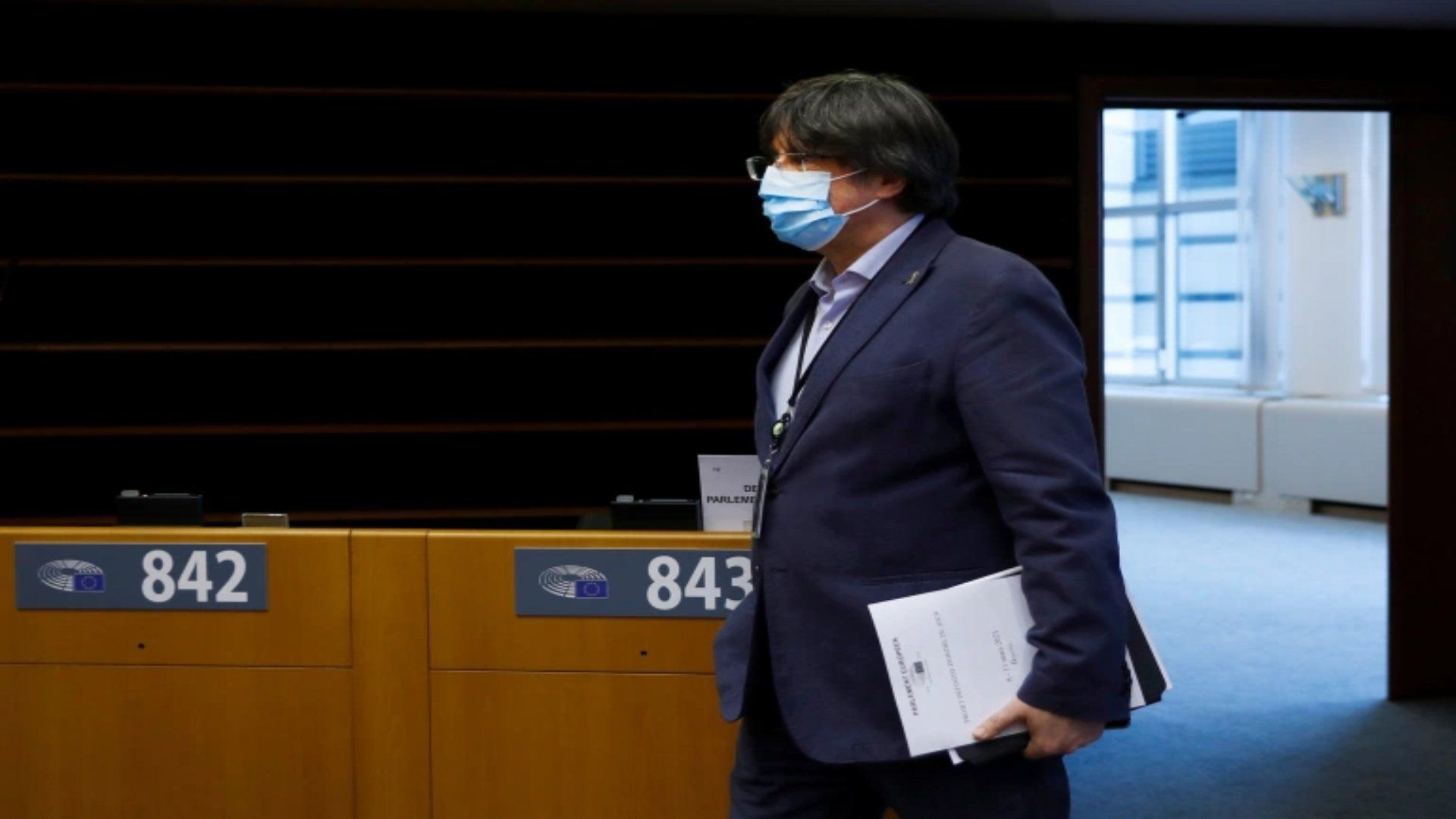
Geopolitical & Core Developments
In a landmark legal and political development, Spain's Constitutional Court has ruled that the sweeping amnesty law passed to benefit Catalan separatists applies directly to exiled leader Carles Puigdemont. This judicial milestone dismantles the remaining legal barriers that have kept the former regional president abroad since the failed 2017 independence referendum. Puigdemont, who has resided in Belgium to evade Spanish prosecution for sedition and misuse of public funds, has signaled his intention to return, setting the stage for a dramatic political confrontation in Barcelona and Madrid.
The timing of this ruling carries profound strategic stakes for Prime Minister Pedro Sanchez's minority government. Sanchez relied heavily on the votes of Catalan nationalist parties to secure his fragile parliamentary coalition. While the amnesty was designed to defuse years of bitter regional friction and normalize relations between Madrid and Catalonia, the physical return of Puigdemont threatens to reignite fierce nationalist rhetoric and polarize domestic politics. State actors, regional authorities, and security apparatuses are currently recalibrating their posture to manage potential public demonstrations and legislative fallout as the timeline for his homecoming solidifies.
Global Trade & Economic Ripples
While the return of Puigdemont is primarily a domestic constitutional affair, international commodity markets, foreign investors, and multinational corporations operating within the Iberian Peninsula are closely tracking the stability of Spain's political landscape. Catalonia remains an economic powerhouse, contributing roughly one-fifth of Spain's total gross domestic product and serving as a critical logistics and manufacturing hub connecting Southern Europe to broader continental trade routes.
Political uncertainty surrounding regional governance historically introduces volatility into Spanish sovereign debt yields and dampens foreign direct investment sentiment. However, financial analysts note that institutional safeguards and European Union legal frameworks provide a stabilizing buffer against systemic economic shocks. Major shipping lanes, energy supply chains, and international trade flows through the Mediterranean corridor remain unaffected for now, though corporate treasuries are maintaining strict risk-monitoring protocols in anticipation of renewed political demonstrations or localized transport disruptions in Barcelona.
Related Intelligence: Yemeni Offensive Fails to Shift Strategic Balance Amid Global Supply Chain Risks
International Reactions & Diplomatic Stances
The international community has largely viewed the evolving Catalan situation through the lens of European Union stability and constitutional integrity. Brussels has consistently maintained that the separatist movement is an internal matter for the Spanish state to resolve under its established democratic and legal frameworks. Nevertheless, European human rights monitors and legal scholars have observed the implementation of the amnesty law with intense interest, evaluating its compatibility with broader European jurisprudence regarding the separation of powers and the rule of law.
Market analysts and credit rating agencies have issued cautious assessments, emphasizing that while the legal normalization of Catalan leadership could foster long-term political predictability, the immediate aftermath could introduce legislative gridlock. International financial institutions underscore that the durability of Sanchez's coalition remains the primary variable dictating investor confidence, making fiscal policy continuity a central concern for foreign stakeholders.
Strategic Outlook & Future Scenarios
Looking ahead, the physical return of Carles Puigdemont will test the resilience of Spanish democratic institutions and the efficacy of the amnesty legislation. The immediate escalation point will center on whether regional law enforcement executes outstanding judicial orders or complies with the Constitutional Court's amnesty interpretation upon his arrival. This standoff will likely trigger intense legal challenges from opposition parties, particularly the conservative People's Party, which fiercely opposes the amnesty.
For global observers, the trajectory of Catalan politics will serve as a barometer for how European democracies manage sub-national secessionist movements through legislative compromise rather than protracted judicial conflict. Upcoming regional legislative sessions and budgetary negotiations in Madrid will determine whether this milestone fosters genuine reconciliation or merely shifts the theater of political conflict to a new, more volatile phase.
Join Our Official WhatsApp Channel
Receive live commodity alerts, policy changes, and commercial intelligence directly on WhatsApp.